Travel to Dubai to backpack, study, intern, volunteer, work, or live as a digital nomad, expat or emigrant?

Image

Image

Image  Dubai

Intro

Backpacking in Dubai?

  • Dubai is generally only visited by backpackers as a stopover.
  • Characteristics: futuristic cities, historical sites, beaches, pricey.   

Traveling in Dubai?

  • Dubai is the biggest and one of the seven emirates of the United Arab Emirates. The other six emirates are Abu Dhabi, Sharjah, Ajman, Umm Al Qaywayn, Fujeirah and Ras al-Khaimah.
  • City spotting: Dubai!
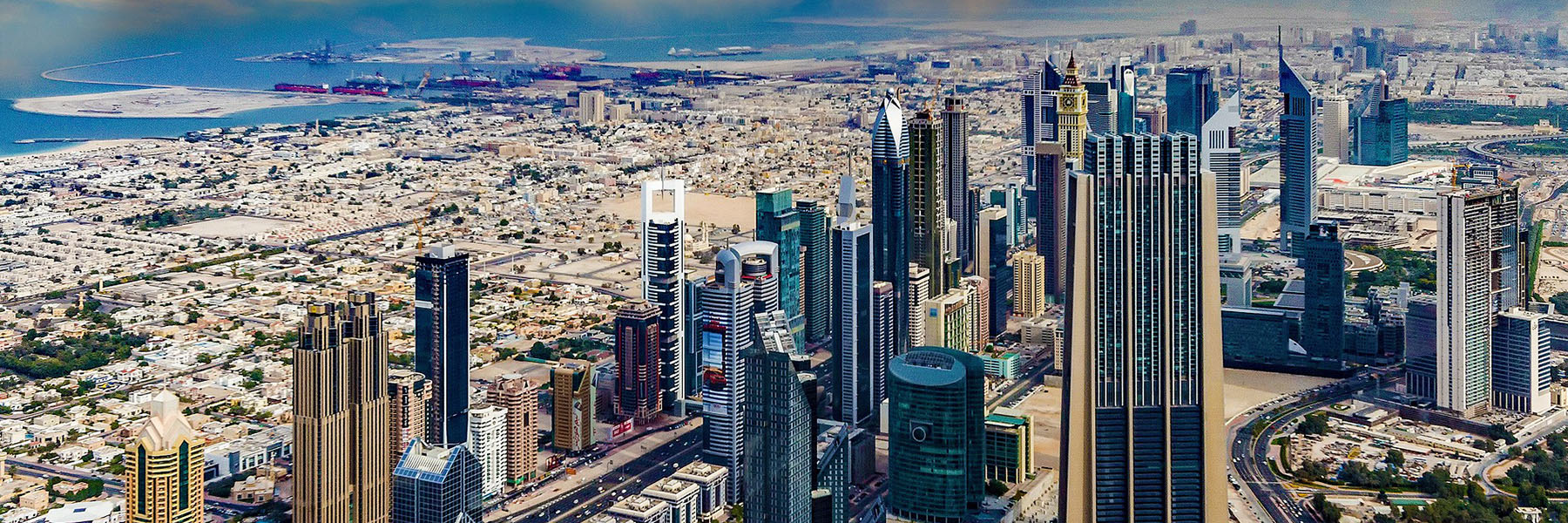
  • Activity spotting: a visit to the world's tallest building - the Burj Khalifa, a mosque visit, the turtle sanctuary, desert safaris, go to the beach, or go chic and traditional shopping.
  • Nature spotting: visit the Dubai Desert Conservation Reserve (DDCR).
  • Animal spotting: Arabian tahrgeit, Arabian oryx, sand gazelle, Arabian wolf, striped hyena, red fox, Blanford fox, Rüppell fox, the Asian caracal, the Arabian wild cat, the desert cat and 400+ bird species.

Study in Dubai?

  • Education in Dubai: there is increasing investment in education, especially in science and technology. The quality of education is reasonably good, depending on what you study at which university.  
  • Language: English.
  • Studies: because of the global prominence in the fields of science and technology, studies in these fields are particularly popular. Other popular fields are project management, education, mechanical engineering, business administration.  
  • Study city: Dubai.
  • Study culture: the culture is strongly influenced by deep religious roots of Islam. Thus, there are many prayer rooms, prayer times and religious holidays and events. The study culture is competitive with a strong focus on academic skills, and social life seems to receive somewhat less attention. Also, be prepared that you may find yourself in a kind of "high school" culture with many children of wealthy expats.
  • Language learning: you can take an Arabic language course in Dubai, among other places.

Internship in Dubai?

  • Internship opportunities: Dubai offers a wide range of internship opportunities, especially in sectors such as tourism and hospitality, but also in banks, IT companies, media companies and, of course, in the oil and gas industry.
  • Internship city: Dubai.
  • Characteristics: high level of tourism and hospitality, multicultural environment, English as a working language, strong influence of Islam, more hours than you think and probably the cliché "coffee runs."  
  • Competencies: skills in professional English, intercultural communication, coffee runs, networking, dealing with a very different culture. 

Volunteer in Dubai?

  • It is not easy to find volunteer work in Dubai, unless you already live there and want to volunteer part-time. Then there are options for work with children, the less fortunate, in the fields of health, education and nature. 
  • Characteristics: not many options, especially part-time if you already live there. 

Working in Dubai?

  • Jobs: Dubai offers temporary and long-term employment opportunities in a variety of sectors. Temporary work includes roles in customer service centers, hospitality, and retail. Long-term employment opportunities include healthcare, IT, education, engineering, oil and gas, renewable energy, and tourism. Unemployment in Dubai is relatively low, but the labor market can be very competitive, especially for specialized and highly skilled positions.
  • Work culture: Respect and personal relationships are key to the UAE’s (thus Dubai's) work culture. The work culture is more conservative than you might be used to, especially due to the strong influence of Islam, but the blend of East and West in the business world means that mistakes are often forgiven. By the way, weekends fall on Friday and Saturday!
  • Features: English, respect, personal relationships, lots of expats, punctuality, good work-life balance.

Working as a digital nomad in Dubai?

  • Dubai is considered a very good place for digital nomads. It's safe, sunny and nice and multi-culti. Expensive, though. 
  • Favorite locations: Dubai.
  • Characteristics: good facilities, healthcare, no taxes, safe, expensive, lots of expats, hot, strict rules regarding public affection, clothing, alcohol. 

Living in Dubai?

  • Living Dubai is something you won't find anywhere else - many nationalities (over 80% are expats), beautiful beaches and cities, and virtually no taxes on anything, not even your income! Still, there are downsides.... 
  • Quality of life: at first glance a high quality of life with good amenities and lots to do if you want to have a busy and busy life, provided you have enough money. The downside is the restriction in freedom especially for homosexuals (this is still illegal) and women (with regard to abortion and attitudes toward rape and domestic violence).
  • Culture: Dubai has a long history built on the Islamic faith. Fortunately, there is freedom for other faiths as well. The culture revolves around respect, hospitality and is conservative. People work very hard and family ties and social connections are important. Important to know if you are coming from a foreign country, for example, is that there are many rules of conduct. Think about rules regarding, for example, body language (no gesturing, eating or shaking hands with your left hand, no crossing your legs, no direct no's, no public affection with people of the opposite sex, gossiping and swearing can be grounds for deportation, women and men are separated in many cases and alcohol is available but not talked about in public. Read up well and prepare mentally!  
  • Characteristics: the temperature in summer, the air-conditioned society, the influence of Islam, negotiating prices, the lack or sometimes abundance of alcohol, the relatively high salaries.
  • Health care: Health care is of very high quality and English is widely spoken. Private health care is incredibly expensive. So arrange your own (international) health insurance well.
Abu Dhabi, Dubai & United Arab Emirates Country Bundle: suggestions, stories and tips
Abu Dhabi, Dubai & United Arab Emirates Country Bundle: suggestions, stories and tips

Image

Content about Abu Dhabi, Dubai & United Arab Emirates on WorldSupporter

Abu Dhabi, Dubai & United Arab Emirates: Updates & Travel

Abu Dhabi, Dubai & United Arab Emirates: Updates & Travel

Travel in Abu Dhabi, Dubai & United Arab Emirates?

  • An emirate is a type of province of a country governed by a member of the elite, ruling class, such as a sheik or an emir.
  • An emir is a noble title for a monarch. In Arabic, “emir” can have the meaning of “prince.
  • The United Arab Emirates is a country of seven more or less independent emirates, each governed by a sheikh or emir. In addition to Abu Dhabi, Dubai and Sharjah, there are four other (lesser-known) emirates: Ajman, Umm Al Qaywayn, Fujeirah and Ras al-Khaimah.
  • Like many other oil states, the United Arab Emirates is a bizarre mix between modern buildings (especially in Dubai and Abu Dhabi), capitalism and Islam.
  • You drive from Dubai to Abu Dhabi in about 2 hours.
  • Extra special about the United Arab Emirates are the artificial islands in the shape of a palm and the world.
  • Abu Dhabi and Dubai are the most densely populated, especially Dubai has a worldly feel.
  • About 90% of the population consists of expats and life is quite pricey partly because of this.

Updates Abu Dhabi, Dubai & United Arab Emirates

  • More about Abu Dhabi, Dubai & United Arab Emirates, updates and contributions, see the link below.
Packing List for United Arab Emirates, travel Insurance for United Arab Emirates, and taking your belongings

Packing List for United Arab Emirates, travel Insurance for United Arab Emirates, and taking your belongings

What to bring to United Arab Emirates: highlighted

Featured items:
  • Documents: passport valid for at least 6 months upon arrival. An online and/or offline copy of your passport is always useful.
  • Money: cash in dirham (AED) for the first few days – you can withdraw money almost everywhere, so bring your credit card too, but cash is handy for taxis or tips.
  • Care: high factor sunscreen – the sun is merciless.
  • Outdoor and practical: cap or hat and sunglasses. You will definitely need them.
  • Clothing: light clothing that covers shoulders and knees (for cultural locations and the sun). In winter you can bring an extra layer, but even then it is usually still 24 degrees. Also bring sweaters or cardigans for indoors, because sometimes it really is like walking into a freezer.
  • Shoes: sandals/flip-flops for the beach and closed shoes for desert trips (the sand is HOT!).
  • Reusable water bottle, because you will need to drink a lot of water!
  • Medication and travel kit: a small first aid kit with plasters, painkillers and ORS (dehydration is a thing).
  • Safety: Moneybelt or fanny pack for your valuables.
  • Technology and equipment: world plug type G – you can try whatever you want, but your Dutch plug won't fit...
  • Woman: scarf or light shawl – handy if you want to visit a mosque.
What else can you take with you?
  • Reusable water bottle with filter, because tap water is technically drinkable, but often tastes strange.
  • Quick-drying towel and swimwear for the beach or pool. In terms of swimwear, what people wear varies - from bikini to burkini.
  • Dustproof cover or packing cubes - desert dust is really everywhere.
  • E-reader or offline entertainment - because there is wifi (or alcohol) not everywhere.
  • If you go in winter - a light raincoat.
  • International driving license, if you want to rent a car.

What knowledge is useful if you go to United Arab Emirates?

  • Learn about local norms and values, such as: no public displays of affection, no eating/drinking in public during Ramadan, and dress appropriately.
  • Know the traffic rules.
  • Know the differences between what men and women are allowed and able to do.
  • Friday is Sunday – weekends are Friday and Saturday.

Are there mosquitoes in United Arab Emirates?

  • Yes, but not that many. You will mainly find them around stagnant water or in the suburbs.
  • No malaria or dengue, so don't panic.
  • You will rarely have problems with them in the city, but take some anti-mosquito spray with you just in case if you are very sensitive to mosquito bites.

Are there sand flies in United Arab Emirates?

  • Less in the city, but they can certainly be annoying in the desert and coastal areas.
  • If you are camping in the desert or near mangroves: take a mosquito spray with DEET or Picaridin.
  • In the winter, mosquitoes and sand flies are more of a problem.

Can you buy DEET or other mosquito repellents in United Arab Emirates?

  • Yes, at drugstores such as Boots, Life Pharmacy and some supermarkets such as Carrefour.
  • It can be more expensive to buy it there, and the concentration of DEET is often lower than in Europe.
  • So just bring your favourite mosquito spray from home if you trust it.
  • You can also find natural remedies in United Arab Emirates with citronella or eucalyptus, if you want something mild and more natural.

Where can you get your food and drink in United Arab Emirates?

  • Supermarkets such as Carrefour, Spinneys, Lulu and Waitrose – range from affordable to luxury.
  • Malls: huge food courts with everything from sushi to biryani.
  • Restaurants are plentiful – from Michelin to hummus on a plastic chair.
  • Street food is limited, but there are food trucks and lively markets.

Can you buy a beer or wine in United Arab Emirates, or take it with you to United Arab Emirates?

  • Yes, but only in specific places:
    • Hotels, clubs and a few licensed restaurants.
    • You can buy alcohol from official outlets (such as African + Eastern or MMI), but only with a tourist permit (online or upon arrival).
  • You are allowed to bring: up to 4 litres of alcohol per adult (21+).
  • Drinking in public is prohibited, including on the beach or in the park. This can lead to a fine or worse.

Can you buy a joint or weed in United Arab Emirates, or take it to United Arab Emirates?

  • No. Just no.
  • No soft drugs, no medicinal cannabis, no CBD oil with traces of THC – everything is strictly prohibited.
  • Fines, imprisonment or deportation are lurking and even residues in your urine or luggage can cause problems. No joke.
Packing List for Dubai, travel Insurance for Dubai and taking your belongings

Packing List for Dubai, travel Insurance for Dubai and taking your belongings

What to bring to Dubai: highlighted

Featured items:
  • Documents: passport valid for at least 6 months upon arrival. An online and/or offline copy of your passport is always useful.
  • Money: cash in dirham (AED) for the first few days – you can withdraw money almost everywhere, so bring your credit card too, but cash is handy for taxis or tips.
  • Care: high factor sunscreen – the sun is merciless.
  • Outdoor and practical: cap or hat and sunglasses. You will definitely need them.
  • Clothing: light clothing that covers shoulders and knees (for cultural locations and the sun). In winter you can bring an extra layer, but even then it is usually still 24 degrees. Also bring sweaters or cardigans for indoors, because sometimes it really is like walking into a freezer.
  • Shoes: sandals/flip-flops for the beach and closed shoes for desert trips (the sand is HOT!).
  • Reusable water bottle, because you will need to drink a lot of water!
  • Medication and travel kit: a small first aid kit with plasters, painkillers and ORS (dehydration is a thing).
  • Safety: Moneybelt or fanny pack for your valuables.
  • Technology and equipment: world plug type G – you can try whatever you want, but your Dutch plug won't fit...
  • Woman: scarf or light shawl – handy if you want to visit a mosque.
What else can you take with you?
  • Reusable water bottle with filter, because tap water is technically drinkable, but often tastes strange.
  • Quick-drying towel and swimwear for the beach or pool. In terms of swimwear, what people wear varies - from bikini to burkini.
  • Dustproof cover or packing cubes - desert dust is really everywhere.
  • E-reader or offline entertainment - because there is wifi (or alcohol) not everywhere.
  • If you go in winter - a light raincoat.
  • International driving license, if you want to rent a car.

What knowledge is useful if you go to Dubai?

  • Learn about local norms and values, such as: no public displays of affection, no eating/drinking in public during Ramadan, and dress appropriately.
  • Know the traffic rules.
  • Know the differences between what men and women are allowed and able to do.
  • Friday is Sunday – weekends are Friday and Saturday.

Are there mosquitoes in Dubai?

  • Yes, but not that many. You will mainly find them around stagnant water or in the suburbs.
  • No malaria or dengue, so don't panic.
  • You will rarely have problems with them in the city, but take some anti-mosquito spray with you just in case if you are very sensitive to mosquito bites.

Are there sand flies in Dubai?

  • Less in the city, but they can certainly be annoying in the desert and coastal areas.
  • If you are camping in the desert or near mangroves: take a mosquito spray with DEET or Picaridin.
  • In the winter, mosquitoes and sand flies are more of a problem.

Can you buy DEET or other mosquito repellents in Dubai?

  • Yes, at drugstores such as Boots, Life Pharmacy and some supermarkets such as Carrefour.
  • It can be more expensive to buy it there, and the concentration of DEET is often lower than in Europe.
  • So just bring your favourite mosquito spray from home if you trust it.
  • You can also find natural remedies in Dubai with citronella or eucalyptus, if you want something mild and more natural.

Where can you get your food and drink in Dubai?

  • Supermarkets such as Carrefour, Spinneys, Lulu and Waitrose – range from affordable to luxury.
  • Malls: huge food courts with everything from sushi to biryani.
  • Restaurants are plentiful – from Michelin to hummus on a plastic chair.
  • Street food is limited, but there are food trucks and lively markets.

Can you buy a beer or wine in Dubai, or take it with you to Dubai?

  • Yes, but only in specific places:
    • Hotels, clubs and a few licensed restaurants.
    • You can buy alcohol from official outlets (such as African + Eastern or MMI), but only with a tourist permit (online or upon arrival).
  • You are allowed to bring: up to 4 litres of alcohol per adult (21+).
  • Drinking in public is prohibited, including on the beach or in the park. This can lead to a fine or worse.

Can you buy a joint or weed in Dubai, or take it to Dubai?

  • No. Just no.
  • No soft drugs, no medicinal cannabis, no CBD oil with traces of THC – everything is strictly prohibited.
  • Fines, imprisonment or deportation are lurking and even residues in your urine or luggage can cause problems. No joke.
Packing List for Abu Dhabi, travel Insurance for Abu Dhabi and taking your belongings

Packing List for Abu Dhabi, travel Insurance for Abu Dhabi and taking your belongings

What to bring to Abu Dhabi: highlighted

Featured items:
  • Documents: passport valid for at least 6 months upon arrival. An online and/or offline copy of your passport is always useful.
  • Money: cash in dirham (AED) for the first few days – you can withdraw money almost everywhere, so bring your credit card too, but cash is handy for taxis or tips.
  • Care: high factor sunscreen – the sun is merciless.
  • Outdoor and practical: cap or hat and sunglasses. You will definitely need them.
  • Clothing: light clothing that covers shoulders and knees (for cultural locations and the sun). In winter you can bring an extra layer, but even then it is usually still 24 degrees. Also bring sweaters or cardigans for indoors, because sometimes it really is like walking into a freezer.
  • Shoes: sandals/flip-flops for the beach and closed shoes for desert trips (the sand is HOT!).
  • Reusable water bottle, because you will need to drink a lot of water!
  • Medication and travel kit: a small first aid kit with plasters, painkillers and ORS (dehydration is a thing).
  • Safety: Moneybelt or fanny pack for your valuables.
  • Technology and equipment: world plug type G – you can try whatever you want, but your Dutch plug won't fit...
  • Woman: scarf or light shawl – handy if you want to visit a mosque.
What else can you take with you?
  • Reusable water bottle with filter, because tap water is technically drinkable, but often tastes strange.
  • Quick-drying towel and swimwear for the beach or pool. In terms of swimwear, what people wear varies - from bikini to burkini.
  • Dustproof cover or packing cubes - desert dust is really everywhere.
  • E-reader or offline entertainment - because there is wifi (or alcohol) not everywhere.
  • If you go in winter - a light raincoat.
  • International driving license, if you want to rent a car.

What knowledge is useful if you go to Abu Dhabi?

  • Learn about local norms and values, such as: no public displays of affection, no eating/drinking in public during Ramadan, and dress appropriately.
  • Know the traffic rules.
  • Know the differences between what men and women are allowed and able to do.
  • Friday is Sunday – weekends are Friday and Saturday.

Are there mosquitoes in Abu Dhabi?

  • Yes, but not that many. You will mainly find them around stagnant water or in the suburbs.
  • No malaria or dengue, so don't panic.
  • You will rarely have problems with them in the city, but take some anti-mosquito spray with you just in case if you are very sensitive to mosquito bites.

Are there sand flies in Abu Dhabi?

  • Less in the city, but they can certainly be annoying in the desert and coastal areas.
  • If you are camping in the desert or near mangroves: take a mosquito spray with DEET or Picaridin.
  • In the winter, mosquitoes and sand flies are more of a problem.

Can you buy DEET or other mosquito repellents in Abu Dhabi?

  • Yes, at drugstores such as Boots, Life Pharmacy and some supermarkets such as Carrefour.
  • It can be more expensive to buy it there, and the concentration of DEET is often lower than in Europe.
  • So just bring your favourite mosquito spray from home if you trust it.
  • You can also find natural remedies in Abu Dhabi with citronella or eucalyptus, if you want something mild and more natural.

Where can you get your food and drink in Abu Dhabi?

  • Supermarkets such as Carrefour, Spinneys, Lulu and Waitrose – range from affordable to luxury.
  • Malls: huge food courts with everything from sushi to biryani.
  • Restaurants are plentiful – from Michelin to hummus on a plastic chair.
  • Street food is limited, but there are food trucks and lively markets.

Can you buy a beer or wine in Abu Dhabi, or take it with you to Abu Dhabi?

  • Yes, but only in specific places:
    • Hotels, clubs and a few licensed restaurants.
    • You can buy alcohol from official outlets (such as African + Eastern or MMI), but only with a tourist permit (online or upon arrival).
  • You are allowed to bring: up to 4 litres of alcohol per adult (21+).
  • Drinking in public is prohibited, including on the beach or in the park. This can lead to a fine or worse.

Can you buy a joint or weed in Abu Dhabi, or take it to Abu Dhabi?

  • No. Just no.
  • No soft drugs, no medicinal cannabis, no CBD oil with traces of THC – everything is strictly prohibited.
  • Fines, imprisonment or deportation are lurking and even residues in your urine or luggage can cause problems. No joke.
How does healthcare work in Dubai, Abu Dhabi and the United Arab Emirates, and what travel insurance, health insurance or expat insurance do you need?

How does healthcare work in Dubai, Abu Dhabi and the United Arab Emirates, and what travel insurance, health insurance or expat insurance do you need?

How does the healthcare system work in Dubai, Abu Dhabi and the United Arab Emirates (UAE)?

What is the quality of healthcare in the United Arab Emirates?

  • The United Arab Emirates (UAE), with Dubai and Abu Dhabi as prominent emirates, offers a modern and well-developed healthcare system.
  • The healthcare sector is largely based on a mix of public and private institutions and is often praised for the high quality of medical technology and facilities.
  • Health insurance (MEC) is generally mandatory for expats and residents, and access to medical care is regulated by this. There is no public insurance for expats in the United Arab Emirates.
  • In addition, as an expatriate, you must obtain a Medical Fitness Certificate to apply for a residence visa. This can be done in the United Arab Emirates, or before you arrive.
  • Pharmacies are plentiful, and many medicines are also available without a prescription. Medicines are quite expensive.
  • You do need official statements from your doctor to bring medicines such as sleeping pills and antidepressants. They are generally not available locally. Please note that regulations can differ per emirate.

How does the public healthcare system work in the United Arab Emirates?

  • Public healthcare in the UAE is available to Emirati citizens and, in some cases, expats with valid insurance.
  • Abu Dhabi and Dubai have excellent public hospitals such as Sheikh Khalifa Medical City and Rashid Hospital.
  • Healthcare in public facilities is usually cheaper than in private clinics, but can still be expensive for those without local insurance. Expatriates without local insurance must pay for their care up front and need a health card. The costs are the same as in the private sector.
  • To obtain this health card, you will usually need to show an Emirates ID, your passport and proof of employment, among other things.
  • First aid is often free for residents and low-cost for those with local insurance, after which the cost of care can increase considerably.

How does the public healthcare system work in the United Arab Emirates?

  • The private healthcare sector is larger, very well developed and often offers quicker access to specialists and more luxury compared to public hospitals.
  • Private hospitals in Abu Dhabi and Dubai are often considered to be among the best in the world. They are equipped with modern technology and often have internationally trained doctors, but costs are generally high. Having health insurance is therefore highly recommended.
  • Private hospitals do not always treat major traumas and complex emergencies, these are usually treated in the public domain.
  • In some emirates, including Dubai and Abu Dhabi, expatriates must have private insurance. In Abu Dhabi, the employer must provide this to the employee and his/her family, in Dubai the employer is only responsible for the employee's insurance.

How is the GP arranged in the United Arab Emirates?

  • Most expats and expatriates visit a specialist or a hospital directly.
  • You can usually make an appointment with a specialist or hospital without a referral.
  • General practitioner care is available, mainly in private institutions, but this is often less common. People usually only go to the general practitioner for routine consultations.

How is the dentist arranged in the United Arab Emirates?

  • Like other healthcare, dental care is also of high quality in the United Arab Emirates. You will find both public and private providers. However, most expats use private clinics for faster service and modern facilities.

How is pregnancy care arranged in the United Arab Emirates?

  • The UAE offers excellent care for pregnant women and new mothers, but it comes at a price if you don’t have insurance.
  • Be aware that you must be married to have a baby according to Islamic law, so always carry your marriage certificate with you when you go to the hospital.
  • Pregnant women can choose from a wide range of public and private hospitals and clinics. Most expats choose private hospitals.
  • There are many ultrasound scans, a wide range of antenatal classes and many expats choose to hire a doula.
  • Home births are not legal in the UAE and expectant mothers must check in at least 24 hours before their due date.
  • After birth, the baby stays in the room with the mother and the mother receives extensive breastfeeding support. Some expat insurances do not fully cover maternity care, so check carefully.
  • Breastfeeding in public is generally accepted, as long as it is done discreetly. Expats generally use nursing cloths to cover themselves.
  • Abortion is allowed under certain circumstances. 

How safe or unsafe is a trip or stay in the United Arab Emirates?

What should you pay attention to in terms of safety in the United Arab Emirates?

  • The UAE is considered one of the safest countries in the world, with a low crime rate. However, there are some things to keep in mind.
  • Street crime is rare. Beware of petty theft in busy places.
  • Alcohol consumption is limited in licensed areas. Driving under the influence is severely punished.
  • There are also quite strict rules of conduct that you may not be used to. For example, pay attention to your behavior in public: no public affection, insults, or political statements. But also rules on homosexuality, abortion, etc.
  • Caution is advised when posting online about the UAE; criticism of the government can have legal consequences.

What should you look out for in terms of diseases in the United Arab Emirates?

  • The UAE has a good health infrastructure, so diseases such as malaria or dengue are not a problem.
  • There is no mandatory vaccination schedule for most travelers. Check this with your vaccination doctor.
  • Tap water is technically drinkable, but most people prefer bottled water because of the taste and possible contaminants in the pipes. Be sure to avoid sunstroke and dehydration in the hot climate of this country!
  • In addition, sand and dust in the air (from continuous construction and blowing sand) and sandstorms can be a problem for people with respiratory problems.

What should you pay attention to when it comes to traffic in the United Arab Emirates?

  • Traffic in the United Arab Emirates can be quite intense, especially in large cities such as Dubai and Abu Dhabi.
  • The infrastructure is modern, with well-maintained roads and an efficient metro system in Dubai.
  • Outside of the cities, roads can be less well-maintained.
  • High speeds and aggressive driving are common problems.
  • Driving under the influence is not tolerated and is severely punished.
  • Dubai has a well-developed public transport system (metro, bus). In Abu Dhabi, the use of taxis is more popular.

What work and travel insurance policies are suitable for short and long stays in the United Arab Emirates?

  • Is the trip to and your return sufficiently covered? Are you sufficiently covered before, during and after your activities? Which insurance best suits your trip and your activity? Read more about insurances for abroad on JoHoinsurances.org.

What emigration and expat insurance can you take out for the United Arab Emirates if you are going to live there for a while?

Abu Dhabi, Dubai & United Arab Emirates: selection of contributions by WorldSupporters - Bundle
Abu Dhabi, Dubai & United Arab Emirates: Updates & Travel

Abu Dhabi, Dubai & United Arab Emirates: Updates & Travel

Travel in Abu Dhabi, Dubai & United Arab Emirates?

  • An emirate is a type of province of a country governed by a member of the elite, ruling class, such as a sheik or an emir.
  • An emir is a noble title for a monarch. In Arabic, “emir” can have the meaning of “prince.
  • The United Arab Emirates is a country of seven more or less independent emirates, each governed by a sheikh or emir. In addition to Abu Dhabi, Dubai and Sharjah, there are four other (lesser-known) emirates: Ajman, Umm Al Qaywayn, Fujeirah and Ras al-Khaimah.
  • Like many other oil states, the United Arab Emirates is a bizarre mix between modern buildings (especially in Dubai and Abu Dhabi), capitalism and Islam.
  • You drive from Dubai to Abu Dhabi in about 2 hours.
  • Extra special about the United Arab Emirates are the artificial islands in the shape of a palm and the world.
  • Abu Dhabi and Dubai are the most densely populated, especially Dubai has a worldly feel.
  • About 90% of the population consists of expats and life is quite pricey partly because of this.

Updates Abu Dhabi, Dubai & United Arab Emirates

  • More about Abu Dhabi, Dubai & United Arab Emirates, updates and contributions, see the link below.

Image

Why get specific insurance when going abroad: per activity abroad
What is travel insurance, and why take out specific insurance when you go on a trip or vacation?

What is travel insurance, and why take out specific insurance when you go on a trip or vacation?

What is travel insurance to insure your trip or vacation?

  • Travel insurance is insurance that provides coverage for risks during a trip or vacation abroad. This mainly concerns loss of or damage to your luggage, medical assistance in the event of accidents, for example, or repatriation costs if you need to be transported back to your home country urgently. In some cases, travel insurance coverage also applies in your home country.
  • With continuous travel insurance, you are insured for all your trips throughout the year.
  • With temporary travel insurance, you take out insurance for each trip for the duration of the trip.
  • Cancellation insurance reimburses (all or part of) the travel sum, cancellation or accommodation costs if you have to cancel or interrupt your vacation.

Why should you take out travel insurance for a short trip, vacation, or long-distance trip?

  • Travel insurance can provide coverage in the event of an accident or emergency while you are away.
  • Travel insurance can provide coverage for damage and accidents during the adventurous or sporting activities you are going to do.
  • Travel insurance can continue to provide coverage if your Dutch basic health insurance no longer provides coverage, or if the damage is only reimbursed at Dutch cost price.
  • Travel insurance can provide coverage in the event of damage, loss, or theft of your luggage.
  • Travel insurance can provide coverage if you are held liable for damage you cause to other people or their property.
  • Travel insurance can provide coverage if you have to return home early because something has happened to you or your immediate family.

What is important to insure when you are going to travel?

  • That you have insurance that is valid in the countries where you are going to travel and possible work.
  • That you are adequately insured for the sports and activities you are going to participate in during your full period abroad
  • That you are insured for emergency assistance and early return if something happens to you or your immediate family.
  • That your medical expenses are insured up to the actual cost and not just for the standard costs. The costs per medical treatment vary greatly between countries.
  • That you insure your luggage and take sufficient precautions against theft or damage.
  • That you are well insured against personal liability.
  • That you are well insured in case of accidents.
  • That you only insure yourself for legal assistance if there is an immediate reason to do so, unless coverage is already automatically included in the insurance.
  • That you pay close attention to choosing the right coverage when performing work or voluntary work during your world trip.

What insurance do you need for a trip or vacation?


What is round the world travel insurance or long-term travel insurance, and why take out specific insurance when you go abroad?

What is round the world travel insurance or long-term travel insurance, and why take out specific insurance when you go abroad?

What is round the world travel insurance or long-term travel insurance?

  • Round the world travel insurance means that you take out insurance that continues to provide coverage during all your activities abroad, and which is specifically intended for those who travel for long periods of time, such as world travelers, globetrotters, and nomads.

Why should you take out specialized travel insurance for a long trip abroad?

  • Round the world travel insurance provides coverage for a much longer trip than regular travel insurance.
  • World travel insurance is specifically intended for longer trips, whereas regular travel insurance may offer coverage on paper, but in practice handles it differently.
  • World travel insurance is suitable for many types of activities, ranging from high-altitude trekking to more risky sports.
  • World travel insurance continues to provide coverage if you start working during your trip, whether planned or unplanned. If you did not take out insurance before departure that allows you to work, there is no guarantee that you will be able to take out insurance that provides coverage while abroad.
  • Long-term travel insurance continues to provide coverage when your home country's health insurance no longer does.
  • Worldwide travel insurance also covers your medical expenses up to the actual cost, and not just for the standard costs. The costs per medical treatment vary greatly between countries.
  • Worldwide travel insurance can also continue to provide coverage if negative travel advice is issued.

What is important to insure when you are going to travel around the world?

  • That you have insurance that is valid in the countries where you are going to travel and possibly work.
  • That you are adequately insured for the sports and activities you are going to participate in during your full period abroad
  • That you are insured for emergency assistance and early return if something happens to you or your immediate family.
  • That your medical expenses are insured up to the actual cost and not just for the standard costs. The costs per medical treatment vary greatly between countries.
  • That you insure your luggage and take sufficient precautions against theft or damage.
  • That you are well insured against personal liability.
  • That you are well insured in case of accidents.
  • That you only insure yourself for legal assistance if there is an immediate reason to do so, unless coverage is already automatically included in the insurance.
  • That you pay close attention to choosing the right coverage when performing work or voluntary work during your world trip.

What insurance do you need when backpacking abroad?

What is backpack insurance, and why take out specific insurance when you go backpacking abroad?

What is backpack insurance, and why take out specific insurance when you go backpacking abroad?

What is backpacking insurance and travel insurance for backpackers?

  • Backpacking insurance for backpackers means that you take out insurance that continues to provide coverage during all your activities abroad and is specifically intended for those who are traveling for a long time, traveling independently, or making frequent use of local transportation.

Why should you take out travel insurance specifically for backpacking?

  • Travel insurance for backpacking can provide coverage in the event of an accident or emergency while backpacking.
  • Travel insurance for backpacking can provide coverage for damage and accidents during your adventurous or sporting activities.
  • Travel insurance for backpacking can continue to provide coverage if your Dutch basic health insurance no longer provides coverage, or if the damage is only reimbursed at Dutch cost price.
  • Travel insurance for backpacking can provide coverage in the event of damage, loss, or theft of your luggage while backpacking.
  • Travel insurance for backpacking can provide coverage if you are held liable for damage you cause to other people or their property.
  • Travel insurance for backpacking can provide coverage if you have to return home early because something has happened to you or your immediate family while backpacking.

What aspects are important to insure when backpacking abroad?

  • The duration of your trip: so that you are also covered during a very long backpacking trip, or can extend your coverage if you want to stay longer
  • The activities during your trip: so that you can also participate in all kinds of sports and adventure activities that are excluded from travel insurance
  • Coverage of your medical expenses during your trip: so that you are always covered, even if you go to work or if the costs in the event of an accident are higher than the Dutch rate
  • Coverage for natural disasters and war during your trip: so that you don't have to return home immediately with your tail between your legs every time the Dutch government issues negative travel advice
  • Your insurer's specialization: so that your insurer specializes in backpacking trips or long stays abroad, and doesn't treat you like an “all-inclusive sunglasses claimant.”

What insurance do you need when backpacking abroad?

What is insurance for working abroad, and why do you need specific insurance if you are going to do paid work?

What is insurance for working abroad, and why do you need specific insurance if you are going to do paid work?

What is insurance for working abroad?

  • Insuring yourself for working abroad means taking out insurance that continues to provide coverage during your paid work abroad.

Why take out insurance, and when is normal travel insurance no longer sufficient?

  • There may be several reasons why you need separate insurance for paid work abroad.
  • During your work, local employers generally offer no or limited insurance that does not provide sufficient coverage.
  • The risk of accidents is sometimes greater during your work, for example because you are doing work with which you have little experience or because of the nature of the work.
  • During specific work abroad, additional requirements may apply as soon as you start performing work that involves additional risks. Only special insurance policies offer coverage during this type of work.
  • During work, internships, or volunteer work abroad where you receive a salary or compensation (for example, food or housing), your local health insurance coverage will normally lapse. You will then need special insurance to remain insured for illness and accidents.
  • Standard travel insurance policies generally do not provide sufficient coverage to apply for a work visa or working holiday visa.
  • Standard travel insurance policies generally only cover stays abroad for a limited number of days. If your trip or stay abroad exceeds the maximum number of days, this generally means that there will be no coverage for the entire travel period.
  • Standard travel insurance policies generally only provide coverage for recreational travel without study, internship, or work. If you engage in activities other than recreational activities, this generally means that you will no longer be covered for the entire travel period.

What should you pay attention to in your insurance policy if you are going to work abroad?

  • Make sure you have insurance that is valid in the area where you will be traveling and working.
  • Make sure you are adequately insured for the sports and activities you will be participating in.
  • that you are insured for emergency assistance and early return if something happens to you or your immediate family.
  • that your medical expenses are insured up to the actual cost (what it actually costs), and not just for the standard costs. In most countries, healthcare costs are higher than in the Netherlands.
  • that you insure your luggage and take sufficient precautions against theft or damage.
  • that you are well insured against personal liability.
  • that you are well insured in case of accidents.
  • that you insure yourself for legal assistance if there is an immediate reason to do so, unless the coverage is already automatically included in the insurance.
  •  that you take care to choose the right coverage when working in healthcare, with wild animals, and with dangerous machinery.

What insurance do you need to work abroad?

What is volunteer insurance, and why should you take out specific insurance if you are going to do volunteer work

What is volunteer insurance, and why should you take out specific insurance if you are going to do volunteer work

What is insurance for volunteering abroad?

  • Insuring volunteer work abroad means taking out insurance that continues to provide coverage while you are working as a volunteer abroad

Why should you take out specialized travel insurance for voluntary work abroad?

  • There may be several reasons why you need separate insurance when volunteering abroad.
  • During specific activities abroad, additional requirements may apply if your work involves extra risks. Only specific insurance policies offer coverage during these activities.
  • The risk of accidents is sometimes higher during your work, for example because you are doing work you have little experience with or because of the nature of the work.
  • Local projects or employers generally offer no or limited insurance that provides insufficient coverage during your work.
  • When volunteering abroad and receiving minor financial compensation (or, for example, food or housing), your home country's health insurance coverage will potentially lapse. You will then need special insurance to remain insured for illness and accidents.
  • Regular travel insurance policies generally provide coverage for trips of a limited number of days. If your trip or stay abroad exceeds the maximum number of days, this generally means that for the entire travel period, you will not be covered.
  • Regular travel insurance policies generally only provide coverage for recreational travel without voluntary work activities. If you engage in activities other than recreational activities (such as volunteer work), this generally means that for the entire travel period, you will not be covered.

What is important to insure when you are going to work as a volunteer abroad?

  • That you have insurance that is valid in the country or countries where you are going to travel and volunteer.
  • That you are adequately insured for the sports and activities you are going to participate in during your period abroad
  • That you are insured for emergency assistance and early return if something happens to you or your immediate family.
  • That your medical expenses are insured up to the actual cost and not just for the standard costs. The costs per medical treatment vary greatly between countries.
  • That you insure your luggage and take sufficient precautions against theft or damage.
  • That you are well insured against personal liability.
  • That you are well insured in case of accidents.
  • That you only insure yourself for legal assistance if there is an immediate reason to do so, unless coverage is already automatically included in the insurance.
  • That when performing work in healthcare, with wild animals, and with dangerous (agricultural) machinery, you take care to choose the right coverage.

What insurance do you need when volunteering abroad?

Why should you take out specialized travel insurance for an internship abroad?

Why should you take out specialized travel insurance for an internship abroad?

What is insurance for an internship abroad?

  • Insuring an internship abroad means taking out insurance that continues to provide coverage during your internship abroad
  • Insurance for internships abroad are also referred to as internship insurance. This internship insurance is specifically for when you go abroad for a long period of time to work as an intern, take courses, or conduct research abroad.

Why should you take out specialized travel insurance for an internship abroad?

  • There may be several reasons why you need separate insurance for an internship abroad.
  • During internship activities abroad, additional requirements may apply as soon as you start performing work that involves additional risks. Only specific insurance policies offer coverage during these activities.
  • During your internship, the risk of accidents is sometimes greater, for example because you are doing work with which you have little experience or because of the nature of the work.
  • During your internship, local employers generally do not offer insurance, or offer limited insurance that does not provide sufficient coverage.
  • During an internship abroad where you receive financial compensation (or, for example, food or accommodation), your home country's health insurance coverage will potentially lapse. You will then need special insurance to remain insured for illness and accidents.
  • Regular travel insurance policies generally provide coverage for trips of a limited number of days. If your trip or stay abroad exceeds the maximum number of days, this generally means that for the entire travel period, you will not be covered.
  • Regular travel insurance policies generally only provide coverage for recreational trips without work activities.

What is important to insure when you are going to be an intern abroad?

  • That you have insurance that is valid in the area where you will be traveling and doing your internship.
  • That you are adequately insured for the sports and activities you will be participating in.
  • That you are insured for emergency assistance and early return in case something happens to you or your immediate family.
  • That your medical expenses are insured up to the actual cost (what it actually costs), and not just for the standard costs. The costs per medical treatment vary greatly between countries.
  • That you insure your luggage and take sufficient precautions against theft or damage.
  • That you are well insured against personal liability and, preferably, also for liability during your internship.
  • That you are well insured in case of accidents.
  • That you insure yourself for legal assistance if there is an immediate reason to do so, unless the coverage is already automatically included in the insurance.
  • Make sure you choose the right coverage for internship work in healthcare, with wild animals, or with dangerous machinery!

Check out more about international insurances

What is insurance for studying abroad, and why should you take out specialized travel insurance for your education abroad?

What is insurance for studying abroad, and why should you take out specialized travel insurance for your education abroad?

What is insurance for studying abroad?

  • Insurance for studying abroad means that you take out insurance that continues to provide coverage during your studies, your education, and your related activities abroad.
  • Insurance for studying abroad is also referred to as study insurance. This study insurance is specifically for when you go abroad for a long period of time to take courses, study, or conduct research abroad.

Why should you take out specialized travel insurance for a study abroad?

  • Study insurance is specifically designed for studying abroad, whereas regular travel insurance policies may offer coverage on paper but handle this situation differently in practice.
  • Study insurance offers coverage for longer stays than regular (vacation) travel insurance.
  • Study insurance is also suitable for many types of activities, ranging from various sports to hiking at high altitudes.
  • Study insurance continues to provide coverage if you start working during your trip, whether planned or unplanned. If you have not taken out insurance before departure that allows you to work, there is no guarantee that you will be able to take out insurance abroad that provides coverage.
  • Study insurance continues to provide coverage if your own country's health insurance no longer provides coverage.
  • Student insurance also covers your healthcare costs above the rates in your own country; with regular insurance, you have to pay the extra costs yourself.
  • Student insurance can also continue to provide coverage if (study) visa issuers impose additional requirements on how you insure yourself, for example if you are going to the US and applying for a J-1 visa.
  • Student insurance continues to provide coverage if you are staying abroad for a longer period of time and want to visit your own country in between.

What is important to insure when you are going to study abroad?

  • That you have insurance that is valid in the country or countries where you are going to travel and work.
  • That you are adequately insured for the sports and activities you are going to participate in during your period abroad
  • That you are insured for emergency assistance and early return if something happens to you or your immediate family.
  • That your medical expenses are insured up to the actual cost and not just for the standard costs. The costs per medical treatment vary greatly between countries.
  • That you insure your luggage and take sufficient precautions against theft or damage.
  • That you are well insured against personal liability.
  • That you are well insured in case of accidents.
  • That you only insure yourself for legal assistance if there is an immediate reason to do so, unless coverage is already automatically included in the insurance.
  • That you pay close attention to choosing the right coverage when performing work alongside your studies.

Check out more about international insurances

Why should you take out specialized insurance for moving abroad as an emigrant or an expat?

Why should you take out specialized insurance for moving abroad as an emigrant or an expat?

What is an emigration insurance and what is an expat insurance?

  • Emigration insurance is an insurance that continues to provide coverage if you move abroad permanently or for an indefinite period of time.
  • Emigration insurance is not only intended for emigrants, but for anyone who leaves their home country for an extended period of time and does not intend to return in the foreseeable future.
  • Expat insurance is insurance that continues to provide coverage if you go to work abroad for a local or international employer for an extended period of time.
  • Expat insurance is not only intended for expats, but for anyone who has a more permanent job abroad.

Why should you take out specialized insurance for emigration or working as an expat abroad?

  • Emigration or expat insurance not only provides coverage for acute assistance in the event of illness or accident abroad, such as travel insurance, but can also provide coverage for existing conditions and ailments or non-urgent care.
  • Emigration or expat insurance does not require you to maintain valid health insurance in your home country.
  • Emigration or expat insurance provides coverage for preventive care or costs related to pregnancy and childbirth.
  • Emigration or expat insurance also provides coverage for long-term treatments and chronic conditions without you having to return to your home country.
  • Emigration or expat insurance often has no restrictions on the duration of the insurance, unlike travel insurance.
  • Emigration or expat insurance usually maintains coverage in cases such as negative travel advice or acts of war.
  • Emigration or expat insurance offers various solutions in the areas of disability, home and household insurance, goods transport, and liability.

What is important to insure when you are going to move abroad?

  • That you have insurance that is valid in the country or countries where you are going to live and/or work.
  • That you are adequately insured for the sports and activities you are going to participate in during your period abroad
  • That you are insured for emergency assistance and early return if something happens to you or your immediate family.
  • That your medical expenses are insured up to the actual cost and not just for the standard costs. The costs per medical treatment vary greatly between countries.
  • That you are well insured against personal liability.
  • That you are well insured in case of accidents.
  • That you pay close attention to choosing the right coverage when performing work with additional health risks

Check out more about international insurances

International insurances through JoHo Insurances and JoHo WorldSupporter

International insurances through JoHo Insurances and JoHo WorldSupporter

Image

Table of content

  • Why should you take out insurance through the JoHo Foundation when you go abroad?
  • Insuring activities abroad:
    • internships, studying, volunteer work or paid work
    • backpacking, holiday, travel or round the world
    • emigration, living abroad, working as expat
  • Insurances for abroad: per insurance 
  • Insurances for abroad: per organization
  • How healthcare works
......Read more on this page

Image

Image

Related topics and terms

Related regions:
Related countries and regions:

Image ACTIVITIES

Check courses, jobs, projects, recipes, suggestions and tips related to: 'Dubai'

CHECK MORE ACTIVITIES

Make a selection, to find more tips than you see below

Image Loop stage in Thailand, Maleisië, Dubai, Vietnam of de Malediven!
Asia is on the rise! De laatste jaren vestigen steeds meer bedrijven zich in deze regio vanwege de snelle economische groei. Hierdoor wordt ook stagelopen in een van...
Image Onderhoud de sociale media en voer verschillende marketing werkzaamheden uit voor een PR bedrijf in Dubai
Onderhoud de sociale media en voer verschillende marketing werkzaamheden uit voor een PR bedrijf in Dubai. Locatie: Dubai
Activities abroad: home bundle

Main content and contributions for activities abroad

,,,accommodations, adventure activities, courses, internships, jobs and volunteer projects

...to help another, travel with care, work together , learn to share and inspire with your experience


Activities abroad: home page

Activities abroad: home page

From language courses to gap year abroad, from work experience to volunteering abroad, from paid work to internship abroad, from mountaineering to diving and from backpacking to travel around the world

    What social activities can you do abroad?

    • Opportunities are found in the areas of helping, learning or studying. You can get involved to volunteer in a social project at a school in Africa, Asia or Latin America. You can get involved in nature, in a project with animals or cleaning the sea or beaches. Those who want to learn more can choose for example a language course in Latin America, Spain or South Africa.

    What work related activities can you do abroad?

    • If you want to gain work experience, and/or also earn money, go and work abroad. You can combine backpacking in Australia with temporary work. You can work on campsites in Europe or bush camps in Africa. You can pretty much go all over the world to work in the hospitality industry, hotels and hostels, in the healthcare sector or for example at a diving school.

    What sports activities to do abroad?

    • Have you ever thought of mountain biking, rafting (going down a wild river on a raft or rubber dinghy, climbing or canoeing), survival (which involves building rafts, climbing or canoeing), abseiling (descending a rock face while secured to ropes), zip-lining (whizzing down a cable), canyoning (starting at the top of a river and then climbing, swimming, diving down the bed) or caving (scrambling, wriggling and crawling through caves and crevices)?
    • Maybe you feel more comfortable on a bodyboard (on a half-wave surfboard, you surf the high waves lying down-with flippers), on a hang glider or while paragliding (with a parachute you float down a mountain or dune), hydrospeeding (on a bodyboard with flippers and a wetsuit on you go down a wild river via rapids) or Tiefschneeskiing (racing down through powder snow)?

    Check the pages below for more activities and inspiration and where to go and how to arrange it

      Activities abroad: for gap year, sports, travel and outdoor abroad

      Activities abroad: for gap year, sports, travel and outdoor abroad

      Bundled content for gap year, sports, travel and outdoor abroad

      Access: 
      Public

      Image STORIES

      Check blogs, experiences and information related to: 'Dubai'

      CHECK MORE STORIES

      Make a selection, to find more blogs and contributions than you see below

      Image Abu Dhabi, Dubai & United Arab Emirates: Updates & Travel
      Travel in Abu Dhabi, Dubai & United Arab Emirates? Updates Abu Dhabi, Dubai & United Arab Emirates Back to top Travel in Abu Dhabi, Dubai & United Arab...
      Image Packing List for Dubai, travel Insurance for Dubai and taking your belongings
      What to bring to Dubai: highlighted What knowledge is useful if you go to Dubai? Are there mosquitoes in Dubai? Are there sand flies in Dubai? Can you buy DEET or other...
      Countries & Destinations: home bundle

      Bundled content, suggestions, stories and tips about the countries and destinations in the world

      ...to help another, travel with care, work together , learn to share and inspire with your experience

      Africa: country bundles

      Africa: country bundles

      Access: 
      Public
      Asia: country bundles

      Asia: country bundles

      Country bundles of Asian countries

      Access: 
      Public
      Europe: country bundles

      Europe: country bundles

      Country bundles of European countries

      Access: 
      Public
      The Caribbean: country bundles

      Image ORGANIZATIONS

      Check sectors and organizations related to: 'Dubai'

      CHECK MORE ORGANIZATIONS

      Make a selection, to find more or other organizations than you see below

      Image GEMS Education
      GEMS Education is an educational organization with a network of over 40 international schools in the Middle East. The schools offer space for Kindergarten and English-...
      Image TrustedHousesitters
      TrustedHousesitters is a marketplace connecting pet parents seeking the best possible pet care with loving, verified sitters looking for an authentic travel experience...
      Organizations & Services: home bundle

      Bundled content, suggestions, stories and tips about organizations and their products and services

      ...to help another, travel with care, work together, learn to share and inspire with your experience

      Organizations: home page
      Organizations: for administrative, tax and legal work and consulting
      Organizations: for agriculture, grape picking, farming and vineyards
      Organizations: for animal protection, animal care and working with wildlife abroad
      Organizations: for au pairs, youth work and child care abroad
      Organizations: for bush camping and working at a campsite abroad
      Organizations: for catering, hospitality and entertainment abroad
      Organizations: for civil society and social work abroad
      Organizations: for corporate business services
      Organizations: for customer services abroad and help desks
      Organizations: for diving, snorkeling and water sports abroad
      Organizations: for education and schools abroad
      Organizations: for expatriate insurances, travel insurances, and emergency call centers
      Organizations: for gap year activities abroad and sabbaticals
      Organizations: for internship placement abroad
      Organizations: for insurances and finance abroad
      Organizations: for IT, engineering and construction
      Organizations: for language travel and language teaching abroad
      Organizations: for marketing, communication and PR
      Organizations: for mediation in au pairs, childcare and elderly care in the Netherlands
      Organizations: for moving, international relocation and transport abroad
      Organizations: for nature conservation, environmental protection and working in nature abroad
      Organizations: for nonprofit projects, development work and international cooperation
      Organizations: for online work as digital nomad, freelancer, or independent entrepreneur from abroad
      Organizations: for outdoor activities and sports
      Organizations: for providing accommodation and hospitality work in hotels, guesthouses, ecolodges and hostels abroad
      Organizations: for providing healthcare and working in medical care abroad
      Organizations: for psychological assistance and mental health care abroad
      Organizations: for real estate, brokerage abroad and property rental abroad
      Organizations: for research and scientific work abroad
      Organizations: for student support and student associations
      Organizations: for tour guidance and adventure tours abroad
      Organizations: for tourism and organized travel and leisure work abroad
      Organizations: for voluntary work mediation and project placement abroad
      Organizations: for yacht and shipping crew and working on a cruise ship abroad

      Image SUMMARIES

      Check summaries and study assistance related to: 'Dubai'

      CHECK MORE SUMMARIES

      No results found.

      Image ALL CONTENT

      Search all related content within the topic: 'Dubai'

      ALL CONTENT WITHIN TOPIC

      Select any filter and click on Apply to see results

      Image

      SPOTLIGHT & FAVORITES

      FAVORITES
      Image

      Asia is on the rise! De laatste jaren vestigen steeds meer bedrijven zich in deze regio vanwege de snelle economische groei. Hierdoor wordt ook stagelopen in een van deze landen steeds aantrekkelijker. De stageplekken en traineeships zijn specifiek voor deze diverse regio. Van de streetfoo...

      Abu Dhabi, Dubai & United Arab Emirates: Updates & Travel
      • Travel in Abu Dhabi, Dubai & United Arab Emirates?
      • Updates Abu Dhabi, Dubai & United Arab Emirates
      • Travel in Abu Dhabi, Dubai & United Arab Emirates?

        • An emirate is a type of province of a country governed by a member of the elite, ru...
      GEMS Education

      GEMS Education is an educational organization with a network of over 40 international schools in the Middle East. The schools offer space for Kindergarten and English-language primary education. Ongoing opportunities to work as a primary school teacher in countries including the United Arab Emirates...

      Image

      TOPICS : check associated topics and more activities

      Check more: activities in WorldSupporter
      Go abroad!
      Page topic

      Stories, tips and experiences from Dubai

      Submenu & Search

      Search only via club, country, goal, study, topic or sector