Travel to Morocco to backpack, study, intern, volunteer, work, or live as a digital nomad, expat or emigrant?

Image

Image

Image  Morocco

Intro

Backpacking or travelling in Morocco?

  • Morocco is a land of a thousand and one experiences, where one moment you’re wandering through chaotic souks and the next you’re finding serene silence in the vast Sahara. Backpacking in Morocco is a feast for the senses: you’ll taste spicy tagines, smell fresh mint in teahouses, and feel the sun on your skin as you stroll through ancient medinas. From the beaches of Essaouira to the bustling streets of Marrakech, there’s always an adventure to be had. And, good news for budget travellers: Morocco is a relatively cheap destination, with plenty of hostel options, cheap eateries, and public transport.
  • Spotting activities: Trek the Atlas Mountains; explore the souks of Marrakech; camp in the Sahara; brush up on your surfing skills in Taghazout; visit the fairytale blue city of Chefchaouen; discover the Roman ruins of Volubilis; drive or hike the Todra Gorge; chill in Essaouira; visit a real hammam and get a scrub (intense!); walk through the Dades valley; eat the most delicious meals and chat with locals.
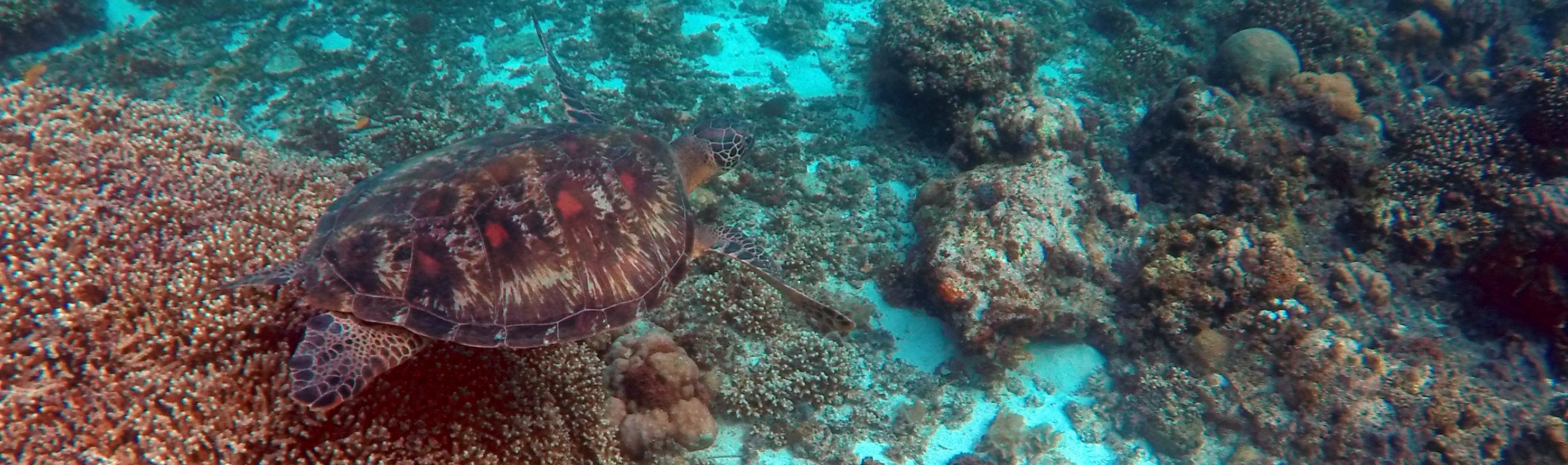
  • Spot animals: dromedaries, Barbary macaques, fennec fox, desert monitor, eagles, turtles, eagle owls, gazelles, flamingos.
  • Spot food: tajine (the iconic Moroccan stew), couscous, harira soup (spicy soup), briouats (dough parcels), msemen (pancake), pastilla (sweet-savory pie), maakouda (fried potato cakes), zaalouk (eggplant salad), chebakia (honey cookies) and strong sweet tea!

Study in Morocco?

  • Studying in Morocco means that you are in a country that bridges the Arab world, Africa, and Europe. The quality of higher education varies, but Morocco has renowned universities such as the Université Mohammed V in Rabat and the Al Akhawayn University in Ifrane, an English-language institution. Popular studies include Islamic studies, engineering, international law and Arabic literature.
  • Study cities: Rabat, Casablanca, Marrakech, Fès (oldest university in the world), Ifrane.
  • Language: Arabic or French, but there are also programs in English.

Internships in Morocco?

  • There are various internship opportunities in Morocco, for example in the field of human rights, healthcare, education and microfinance.
  • Competencies: French and Arabic language skills, intercultural communication, flexibility, insight into social structure, networking with local communities, working under time pressure.

Volunteering in Morocco?

  • Contribute by helping in the field of women's emancipation, education, stray animal shelters, childcare, NGO support, human rights, healthcare or work for a while in a hostel or surf resort for free accommodation.

Working in Morocco?

  • For seasonal work, you can work as a surf instructor, for example. There are also jobs as an English and French teacher. If you are looking for something else, you probably have the best chance in Casablanca, where many offices of international companies are located.

Working as a digital nomad in Morocco?

  • Close to Europe and a lot cheaper, that makes Morocco a good destination for digital nomads. There is a lot to do, you can immerse yourself in the local culture, the temperature is quite pleasant, you can eat well and the necessary facilities are available if you look carefully. It is not a popular destination, so if you are looking for a large digital nomad community, you should visit another country.
  • Favorite cities: Casablanca, Essaouira, Marrakech, Fes, Chefchaouen.

Living in Morocco?

  • You can enjoy a wonderful climate in Morocco and Morocco is quite cheap, which makes it attractive to many retirees from the West. There is a lot to do, a lot of culture and it is a relatively safe country, the people are also often friendly and welcoming.
  • You can combine modern facilities in cities like Casablanca with ancient cultures in the remote areas. And you are also close to Europe.
  • Be aware of the language barrier. French is widely spoken in cities, but in the remote areas people mainly speak Arabic and Berber. Also, the health care is not of the highest quality and the country is quite bureaucratic. Make sure you have your own good health insurance.
Morocco Country Bundle: suggestions, stories and tips

Morocco Country Bundle: suggestions, stories and tips

Image

Content about Morocco on WorldSupporter

Morocco: Updates & Travel

Morocco: Updates & Travel

Travel in Morocco

  • Morocco exudes an Arabic atmosphere. In addition to the beaches in the south (also good in winter), the Sahara and the Atlas Mountains, Marrakech (pearl of the south, with a fantastic souk) and the other Imperial Cities, such as Fez, are the highlights. In many places along the coast you can go golfing and windsurfing. Morocco has a lot to offer with high snow-capped mountains, sultry beaches and arid deserts!
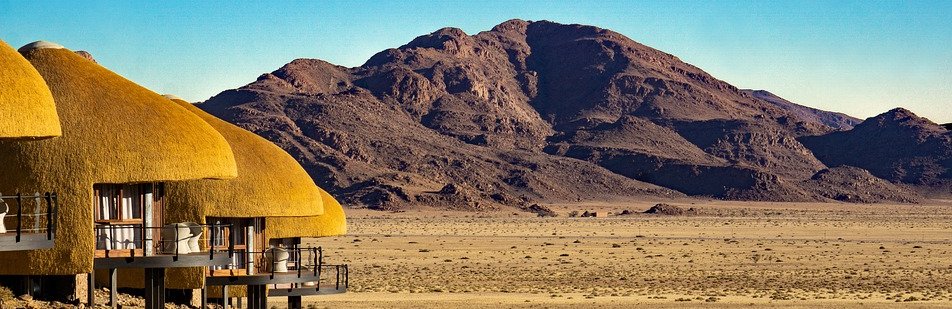
  • One of the absolute highlights of Morocco is the Sahara. You can make beautiful trips on foot or by camel. Ride a camel over the sand dunes of Erg Chebbi and sleep in a Berber tent.
  • The Atlas Mountains are very popular with mountain trekking enthusiasts and in Infrane, for example, you can also ski in winter.
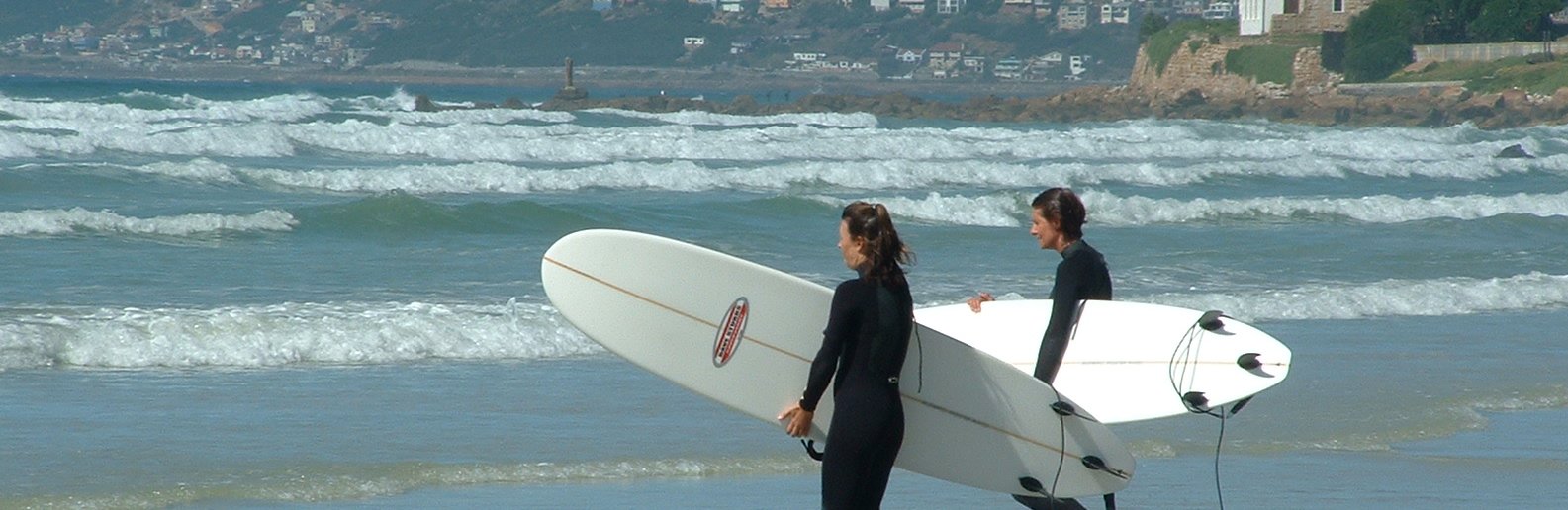
  • Surfing is possible in many places along the coast, the top spots are north of Safi, where top surfers from all over the world come.
  • A trip to Morocco is not complete without a visit to the souk in Marrakech. Marrakech is the country's major tourist attraction and very different from the modern port cities.
  • Casablanca and Agadir are very suitable for a cheap beach holiday. You will find a completely different atmosphere there than in the rest of Morocco, so don't think you have seen Morocco if you have only been here. Most (luxury) resorts are located here.
  • The old medina of Fez (8th century) is forbidden for cars, so you really find yourself in a medieval Arab city. The many alleys, the smell and the craftsmen give the old city a very exotic character.
  • The small village of Chefchaouen in the Rif mountains is almost completely light blue. A lot of craft work is done in the narrow streets, and many people come here to buy souvenirs.
  • Rabat: The 1,000 year old capital of Morocco. However, the city centre is small and the city is in the shadow of Marrakech and Fez. But Rabat is definitely worth a visit, if only because you cannot avoid it due to its central location. Ouzoud Falls: This town is home to the most famous waterfalls in Morocco. The 110-metre-high waterfalls are especially beautiful in spring, when meltwater still flows from the mountains.
  • Essouira is a nice harbour town that was discovered by hippies and surfers in the sixties. Nowadays, there is little of that atmosphere left, but it is still a nice place to enjoy a few days at the beach. There is a lot of wind and is therefore very suitable for windsurfing. 1 km south of Essouira is the hippie village of Diabat, which is legendary because of a visit by Jimi Hendrix in the sixties.
  • Red City: Marrakech is also called that because the city walls and houses are made of red clay. It has the oldest medina (city centre) in Morocco, is incredibly versatile because of its art, culture, nightlife and the many places where you can relax and shop.
  • The amounts of beggars and pushy street vendors. It is best to walk on in a friendly but determined manner and not to react too much to them. There is little point in getting annoyed, this is just part of a country like Morocco.
  • Pickpockets are a plague, especially in the big cities.

Updates Morocco

  • More about Morocco, updates and contributions, see the link below.
How does healthcare work in Morocco, and what travel insurance, health insurance or expat insurance do you need?

How does healthcare work in Morocco, and what travel insurance, health insurance or expat insurance do you need?

How does the healthcare system work in Morocco?

  • Healthcare in Morocco is of reasonable quality, but not of Western standards. 
  • Approximately 85% of healthcare in Morocco is provided by the public sector and 15% by the private sector. At the same time, much more money is spent on healthcare in the private sector than in the public sector. It will therefore come as no surprise that there is also a huge difference in quality. 
  • In Morocco, family members of patients are sometimes expected to take care of them. Not only meals, but even bed linen and helping with washing are sometimes expected! 
  • The main languages ​​are French and Arabic, English-speaking doctors are not always available. 
  • There are many pharmacies, which can be recognized by their green plus logo. Many medicines can be picked up without a prescription, but not everything (antibiotics, for example). 

How does the public healthcare system work in Morocco?

  • Public healthcare is generally not recommended for foreigners. The quality naturally varies per institution, but in general there are often shortages of good doctors and good facilities. 
  • There are also shortages of hospital beds, which can increase waiting times. 
  • Despite the fact that Morocco introduced a public health insurance - the "Assurance Maladie Obligatoire" (AMO), only 30% of the population is covered by it. Through this insurance, employees of public institutions and the unemployed receive care via the public health centers. 
  • This insurance covers, among other things, care during pregnancy, dentistry, radiology and optical care. 
  • In the meantime, the government also works on universal health insurance. 

How does the private healthcare system work in Morocco?

  • Private care is a lot better than public care, but the costs are extremely high. 
  • Unfortunately, there are also shortages of doctors in the private sector. 
  • Private health centers are also almost exclusively found in the big cities, especially in the regions of Casablanca-Settat and Rabat-Sale-Kenitra. 

How is the general practitioner arranged in Morocco?

  • In Morocco, general practitioners are often used for all kinds of ailments. General practitioners are the first point of contact. 
  • General practitioners will guide you through the care process. 
  • Some clinics require you to make an appointment in advance. Others allow you to simply walk in. 

How is the dentist arranged in Morocco?

  • Dental care is often a luxury for the local population. For foreigners, the sector creates a growing market for medical tourism. 
  • Dental care is available in both the public and private healthcare sector. The private sector offers better quality and more options. 
  • Although AMO covers basic dental care in the public sector, most foreigners living in Morocco opt for private care because of the better quality. 

How is pregnancy care arranged in Morocco?

  • Your pregnancy experience in Morocco depends very much on the choices you make. Do you opt for private or public care, do you live in the city or in the countryside, how much do you have to spend?
  • Many local women living in the countryside give birth at home in the presence of a midwife, or spend the last month of their pregnancy near a hospital. 
  • Public maternity care is largely free. Of course, this does come with longer waiting times, lesser quality and fewer options. 
  • Sometimes you even have to sit in the waiting room for hours before it is your turn. Ultrasounds are also not common in public care. 
  • Another disadvantage of public care is that you share your delivery room with four or eight people. If it is full, you sometimes even have to share a bed! 
  • Maternity care in private institutions is better and of good quality, more extensive and deliveries are safer. You also get more personal care and you can choose your own delivery room. 
  • The range, quality and costs do vary greatly per clinic.

How safe or unsafe is a trip or stay in Morocco?

What should you pay attention to in terms of safety in Morocco?

  • As long as you stick to the rules and take certain things into account, Morocco is reasonably safe. However, it is not recommended to travel to the Western Sahara, the Algerian border and the Rif Mountains. Or at least to be extra careful here.
  • Serious crime is rare, but you certainly run the risk of petty crime such as pickpocketing and bag theft in busy places. 
  • There is also a risk of terrorist attacks. 
  • Scams and fraud occur regularly, including in the form of debit card fraud or, for example, via online dating. 
  • Walking the streets alone in the dark can be dangerous, especially as a woman. 
  • Awareness of cultural norms and rules helps to prevent problems. 
  • Women are often advised to dress more conservatively, especially in remote areas. 

What should you look out for in terms of diseases in Morocco?

  • Insect-borne diseases are common. 
  • Malaria is not common. 
  • Black henna can cause a severe reaction in the skin. 
  • Tap water is not drinkable. 

What should you pay attention to when it comes to traffic in Morocco?

  • Traffic in Morocco is reasonably safe, but can be quite chaotic at times. 
  • The roads are in good to reasonable condition, with the occasional pothole. 
  • Urban areas such as Marrakech and Casablanca can be busy. 
  • People do not always follow the traffic rules and pedestrians can easily cross the road. 
  • Public transport is generally reliable and safe. 

What work and travel insurance policies are suitable for short and long stays in Morocco?

  • Is the trip to Morocco and your return sufficiently covered? Are you sufficiently covered before, during and after your activities? Which insurance best suits your trip and your activity? Read more about insurances for abroad on JoHoinsurances.org.

What emigration and expat insurance can you take out for Morocco if you are going to live there for a while?

  • In Morocco you have access to good, private healthcare, at high costs. It is therefore advisable to purchase international health insurance that covers these costs for a (short) stay in Morocco.
  • Make sure your insurance also covers medical evacuation as well as coverage in neighboring countries. Read more about insurances for abroad on Expatinsurances.org.
Packing list for Morocco, travel insurance for Morocco, and taking your belongings

Packing list for Morocco, travel insurance for Morocco, and taking your belongings

Packing list for Morocco, travel insurance for Morocco, and taking your belongings

To take or not to take to Morocco, leave at home or arrange locally?
Sufficiently insured or not for your activities in Morocco?
Sufficiently insured or not for your trip to Morocco?


What to take with you to Morocco: spotlighted

Featured items:
  • Documents: passport valid for at least 6 months upon arrival and copies.
  • Money: dirhams for your first few days, after that you can easily top up with your debit or credit card.
  • Care: good sunscreen.
  • Outdoor and handy items: travel cap or hat and sunglasses. A buff, scarf or bandana for your desert adventure. Earplugs if you sometimes get tired of calling the mosque.
  • Protection: light rain gear and possibly a backpack cover for the months of October - April.
  • Clothing: very much depends on when you go and where you go. The most practical is clothing in the form of layers. Loose, airy clothing that covers your body is useful if you don't want too much unwanted attention as a woman. In the Sahara, airy clothing and a warm layer for the evening (also for the mountain areas, it can get very cold here!). Covering clothing for visits to mosques or conservative settlements. A swimming outfit if you visit the coast!
  • Shoes: comfortable shoes are essential, as you will be walking around the souks a lot! A pair of flip-flops or sandals that are easy to put on and take off will also do no harm.
  • Medicines and travel kit: a small first aid kit with plasters, painkillers and ORS (dehydration is a thing). Insect repellent (see also DEET mosquito repellent).
  • Technology and equipment: world plug type C & E (see also world plug or travel plug). Power bank for when you go on a road trip.
  • Women: scarf or light shawl for religious/traditional visits.
  • A travel umbrella for the rainy months (October to April). An umbrella can also be useful against the hot sun the rest of the year.
What are some other options for packing as well?
  • Reusable water bottle with filter.
  • Quick-drying travel towel
  • Dustproof cover or packing cubes – for a visit to the Sahara. Offline entertainment if you are travelling to remote places and do not want to chat with your travel companion all the time.
  • Money belt for your money and passport for busy areas.
  • International driving license, if you want to rent a car.
  • Tissues for the public toilets.

What should you keep in mind when traveling to Morocco with your belongings?

  • The climate (warm during the day and quite chilly in the evening) and the season.
  • The dress code/culture in certain places you want to visit.
  • There is quite a difference between the dress code in big cities and rural areas.

Are there mosquitoes in Morocco?

  • Mosquitoes are present in Morocco throughout the year, and the numbers increase significantly from May to October.
  • Mosquitoes can transmit various diseases, so it is better not to make friends with them and to stay away from them if you use mosquito repellent.

Are there sandflies in Morocco?

  • Sand flies are a problem for local public health in Morocco because they can and often do transmit leishmaniasis.
  • They are present throughout the country and are therefore difficult to avoid if you are there for a long time. As a tourist, you are of course at a much lower risk than the local population.
  • Sand flies are most active around sunrise and sunset.
  • Fortunately, covering yourself well helps and insect repellents are often used against them.

Can you buy DEET, or other mosquito repellents, in Morocco?

  • It is not easy to buy mosquito repellents in Morocco.
  • In the big cities, you have the best chance at large supermarket chains and pharmacies.
  • The easiest, and probably also the cheapest and most effective, is to bring your own repellent from home.

Can you buy a beer or wine in Morocco, or take it with you to Morocco?

  • Alcohol can only be consumed and purchased in certain places, such as hotels, bars and tourist places. Some supermarkets also sell alcohol. Drinking in public is not allowed, and it can get you into serious trouble.
  • You are allowed to bring at least 1 liter of alcohol into the country.

Can you buy a joint or weed in Morocco, or take it with you to Morocco?

  • Morocco produces a huge amount of hashish. Not for fun, but for medicine and industrial use. The country is a world leader when it comes to exporting cannabis.
  • In northern Morocco, cannabis production is even the most important economic activity.
  • Cannabis has also been used in traditional rituals for a long time. Majoun, for example, is a traditional form of candy made with cannabis.
  • However, cannabis for recreational use remains illegal, as is importing it.

Image

Why get specific insurance when going abroad: per activity abroad
Why should you take out specialized travel insurance for a long trip abroad?

Why should you take out specialized travel insurance for a long trip abroad?

What is round the world travel insurance or long-term travel insurance?

  • Round the world travel insurance means that you take out insurance that continues to provide coverage during all your activities abroad, and which is specifically intended for those who travel for long periods of time, such as world travelers, globetrotters, and nomads.

Why should you take out specialized travel insurance for a long trip abroad?

  • Round the world travel insurance provides coverage for a much longer trip than regular travel insurance.
  • World travel insurance is specifically intended for longer trips, whereas regular travel insurance may offer coverage on paper, but in practice handles it differently.
  • World travel insurance is suitable for many types of activities, ranging from high-altitude trekking to more risky sports.
  • World travel insurance continues to provide coverage if you start working during your trip, whether planned or unplanned. If you did not take out insurance before departure that allows you to work, there is no guarantee that you will be able to take out insurance that provides coverage while abroad.
  • Long-term travel insurance continues to provide coverage when your home country's health insurance no longer does.
  • Worldwide travel insurance also covers your medical expenses up to the actual cost, and not just for the standard costs. The costs per medical treatment vary greatly between countries.
  • Worldwide travel insurance can also continue to provide coverage if negative travel advice is issued.

What is important to insure when you are going to travel around the world?

  • That you have insurance that is valid in the countries where you are going to travel and posibly work.
  • That you are adequately insured for the sports and activities you are going to participate in during your full period abroad
  • That you are insured for emergency assistance and early return if something happens to you or your immediate family.
  • That your medical expenses are insured up to the actual cost and not just for the standard costs. The costs per medical treatment vary greatly between countries.
  • That you insure your luggage and take sufficient precautions against theft or damage.
  • That you are well insured against personal liability.
  • That you are well insured in case of accidents.
  • That you only insure yourself for legal assistance if there is an immediate reason to do so, unless coverage is already automatically included in the insurance.
  • That you pay close attention to choosing the right coverage when performing work or voluntary work during your world trip.

Check out more about

Why should you take out specific insurance when you go on a trip or vacation?

Why should you take out specific insurance when you go on a trip or vacation?

What is insurance for traveling abroad?

  • Travel insurance is insurance that provides coverage for risks during a trip or vacation abroad. This mainly concerns loss of or damage to your luggage, medical assistance, or repatriation costs if you need to be transported back home urgently. In some cases, travel insurance coverage also applies on domestic trips.
  • With annual travel insurance or multi-trip travel insurance, you are insured for all your trips throughout the year.
  • With temporary travel insurance or single-trip travel insurance, you take out insurance for each trip for the duration of the trip.
  • Cancellation insurance reimburses (all or part of) the travel sum, cancellation or accommodation costs if you have to cancel or interrupt your vacation.

Why should you take out travel insurance for a short trip, vacation, or long-distance trip?

  • Travel insurance can provide coverage in the event of an accident or emergency while you are abroad.
  • Travel insurance can provide coverage for damage and accidents during the adventurous or sporting activities you plan to do.
  • Travel insurance can continue to provide coverage if your health insurance no longer provides coverage, or if the damage is only reimbursed at cost price of your home country.
  • Travel insurance can provide coverage in the event of damage, loss, or theft of your luggage.
  • Travel insurance can provide coverage if you are held liable for damage you cause to other people or their property.
  • Travel insurance can provide coverage if you have to return home early because something has happened to you or your immediate family.

What is important to insure when you are going to travel abroad?

  • That you have insurance that is valid in the country or countries that you are going to visit.
  • That you are adequately insured for the sports and activities you are going to participate in during your period abroad.
  • That you are insured for emergency assistance and early return if something happens to you or your immediate family.
  • That your medical expenses are insured up to the actual cost and not just for the standard costs. The costs per medical treatment vary greatly between countries.
  • That you insure your luggage and take sufficient precautions against theft or damage.
  • That you are well insured against personal liability.
  • That you are well insured in case of accidents.
  • That you only insure yourself for legal assistance if there is an immediate reason to do so, unless coverage is already automatically included in the insurance.
  • That you pay close attention to choosing the right coverage when performing work alongside your travels.

Check out more about international insurances

Why should you take out specialized travel insurance for working abroad?

Why should you take out specialized travel insurance for working abroad?

Why should you take out specialized travel insurance for paid work, voluntary work or an internship abroad?

  • There may be several reasons why you need separate insurance when working abroad.
  • During work, internships, or volunteer work abroad where you receive financial compensation (or, for example, food or housing), your national health insurance coverage may expire. You will then need special insurance to remain insured for illness and accidents.
  • During specific work abroad, additional requirements may apply if your work involves additional risks. Only specific insurance policies offer coverage during this type of work.
  • During your work, the risk of accidents is sometimes greater, for example because you are doing work with which you have little experience or because of the nature of the work.
  • During your work, local employers generally offer no or limited insurance that provides insufficient coverage.

What is important to insure when you are going to work abroad?

  • That you have insurance that is valid in the country or countries where you are going to travel and work.
  • That you are adequately insured for the sports and activities you are going to participate in during your period abroad
  • That you are insured for emergency assistance and early return if something happens to you or your immediate family.
  • That your medical expenses are insured up to the actual cost and not just for the standard costs. The costs per medical treatment vary greatly between countries.
  • That you insure your luggage and take sufficient precautions against theft or damage.
  • That you are well insured against personal liability.
  • That you are well insured in case of accidents.
  • That you only insure yourself for legal assistance if there is an immediate reason to do so, unless coverage is already automatically included in the insurance.
  • That you pay close attention to choosing the right coverage when performing work.

Check out more about international insurances

Why should you take out specialized travel insurance for volunteering abroad?

Why should you take out specialized travel insurance for volunteering abroad?

What is insurance for volunteering abroad?

  • Insuring volunteer work abroad means taking out insurance that continues to provide coverage while you are working as a volunteer abroad

Why should you take out specialized travel insurance for voluntary work abroad?

  • There may be several reasons why you need separate insurance when volunteering abroad.
  • During specific activities abroad, additional requirements may apply if your work involves extra risks. Only specific insurance policies offer coverage during these activities.
  • The risk of accidents is sometimes higher during your work, for example because you are doing work you have little experience with or because of the nature of the work.
  • Local projects or employers generally offer no or limited insurance that provides insufficient coverage during your work.
  • When volunteering abroad and receiving minor financial compensation (or, for example, food or housing), your home country's health insurance coverage will potentially lapse. You will then need special insurance to remain insured for illness and accidents.
  • Regular travel insurance policies generally provide coverage for trips of a limited number of days. If your trip or stay abroad exceeds the maximum number of days, this generally means that for the entire travel period, you will not be covered.
  • Regular travel insurance policies generally only provide coverage for recreational travel without voluntary work activities. If you engage in activities other than recreational activities (such as volunteer work), this generally means that for the entire travel period, you will not be covered.

What is important to insure when you are going to work as a volunteer abroad?

  • That you have insurance that is valid in the country or countries where you are going to travel and volunteer.
  • That you are adequately insured for the sports and activities you are going to participate in during your period abroad
  • That you are insured for emergency assistance and early return if something happens to you or your immediate family.
  • That your medical expenses are insured up to the actual cost and not just for the standard costs. The costs per medical treatment vary greatly between countries.
  • That you insure your luggage and take sufficient precautions against theft or damage.
  • That you are well insured against personal liability.
  • That you are well insured in case of accidents.
  • That you only insure yourself for legal assistance if there is an immediate reason to do so, unless coverage is already automatically included in the insurance.
  • That when performing work in healthcare, with wild animals, and with dangerous (agricultural) machinery, you take care to choose the right coverage.

Check out more about international insurances

Why should you take out specialized travel insurance for an internship abroad?

Why should you take out specialized travel insurance for an internship abroad?

What is insurance for an internship abroad?

  • Insuring an internship abroad means taking out insurance that continues to provide coverage during your internship abroad
  • Insurance for internships abroad are also referred to as internship insurance. This internship insurance is specifically for when you go abroad for a long period of time to work as an intern, take courses, or conduct research abroad.

Why should you take out specialized travel insurance for an internship abroad?

  • There may be several reasons why you need separate insurance for an internship abroad.
  • During internship activities abroad, additional requirements may apply as soon as you start performing work that involves additional risks. Only specific insurance policies offer coverage during these activities.
  • During your internship, the risk of accidents is sometimes greater, for example because you are doing work with which you have little experience or because of the nature of the work.
  • During your internship, local employers generally do not offer insurance, or offer limited insurance that does not provide sufficient coverage.
  • During an internship abroad where you receive financial compensation (or, for example, food or accommodation), your home country's health insurance coverage will potentially lapse. You will then need special insurance to remain insured for illness and accidents.
  • Regular travel insurance policies generally provide coverage for trips of a limited number of days. If your trip or stay abroad exceeds the maximum number of days, this generally means that for the entire travel period, you will not be covered.
  • Regular travel insurance policies generally only provide coverage for recreational trips without work activities.

What is important to insure when you are going to be an intern abroad?

  • That you have insurance that is valid in the area where you will be traveling and doing your internship.
  • That you are adequately insured for the sports and activities you will be participating in.
  • That you are insured for emergency assistance and early return in case something happens to you or your immediate family.
  • That your medical expenses are insured up to the actual cost (what it actually costs), and not just for the standard costs. The costs per medical treatment vary greatly between countries.
  • That you insure your luggage and take sufficient precautions against theft or damage.
  • That you are well insured against personal liability and, preferably, also for liability during your internship.
  • That you are well insured in case of accidents.
  • That you insure yourself for legal assistance if there is an immediate reason to do so, unless the coverage is already automatically included in the insurance.
  • Make sure you choose the right coverage for internship work in healthcare, with wild animals, or with dangerous machinery!

Check out more about international insurances

Why should you take out specialized travel insurance for studying abroad?

Why should you take out specialized travel insurance for studying abroad?

What is insurance for studying abroad?

  • Insurance for studying abroad means that you take out insurance that continues to provide coverage during your studies, your education, and your related activities abroad.
  • Insurance for studying abroad is also referred to as study insurance. This study insurance is specifically for when you go abroad for a long period of time to take courses, study, or conduct research abroad.

Why should you take out specialized travel insurance for a study abroad?

  • Study insurance is specifically designed for studying abroad, whereas regular travel insurance policies may offer coverage on paper but handle this situation differently in practice.
  • Study insurance offers coverage for longer stays than regular (vacation) travel insurance.
  • Study insurance is also suitable for many types of activities, ranging from various sports to hiking at high altitudes.
  • Study insurance continues to provide coverage if you start working during your trip, whether planned or unplanned. If you have not taken out insurance before departure that allows you to work, there is no guarantee that you will be able to take out insurance abroad that provides coverage.
  • Study insurance continues to provide coverage if your own country's health insurance no longer provides coverage.
  • Student insurance also covers your healthcare costs above the rates in your own country; with regular insurance, you have to pay the extra costs yourself.
  • Student insurance can also continue to provide coverage if (study) visa issuers impose additional requirements on how you insure yourself, for example if you are going to the US and applying for a J-1 visa.
  • Student insurance continues to provide coverage if you are staying abroad for a longer period of time and want to visit your own country in between.

What is important to insure when you are going to study abroad?

  • That you have insurance that is valid in the country or countries where you are going to travel and work.
  • That you are adequately insured for the sports and activities you are going to participate in during your period abroad
  • That you are insured for emergency assistance and early return if something happens to you or your immediate family.
  • That your medical expenses are insured up to the actual cost and not just for the standard costs. The costs per medical treatment vary greatly between countries.
  • That you insure your luggage and take sufficient precautions against theft or damage.
  • That you are well insured against personal liability.
  • That you are well insured in case of accidents.
  • That you only insure yourself for legal assistance if there is an immediate reason to do so, unless coverage is already automatically included in the insurance.
  • That you pay close attention to choosing the right coverage when performing work alongside your studies.

Check out more about international insurances

Why should you take out specialized insurance for moving abroad as an emigrant or an expat?

Why should you take out specialized insurance for moving abroad as an emigrant or an expat?

What is an emigration insurance and what is an expat insurance?

  • Emigration insurance is an insurance that continues to provide coverage if you move abroad permanently or for an indefinite period of time.
  • Emigration insurance is not only intended for emigrants, but for anyone who leaves their home country for an extended period of time and does not intend to return in the foreseeable future.
  • Expat insurance is insurance that continues to provide coverage if you go to work abroad for a local or international employer for an extended period of time.
  • Expat insurance is not only intended for expats, but for anyone who has a more permanent job abroad.

Why should you take out specialized insurance for emigration or working as an expat abroad?

  • Emigration or expat insurance not only provides coverage for acute assistance in the event of illness or accident abroad, such as travel insurance, but can also provide coverage for existing conditions and ailments or non-urgent care.
  • Emigration or expat insurance does not require you to maintain valid health insurance in your home country.
  • Emigration or expat insurance provides coverage for preventive care or costs related to pregnancy and childbirth.
  • Emigration or expat insurance also provides coverage for long-term treatments and chronic conditions without you having to return to your home country.
  • Emigration or expat insurance often has no restrictions on the duration of the insurance, unlike travel insurance.
  • Emigration or expat insurance usually maintains coverage in cases such as negative travel advice or acts of war.
  • Emigration or expat insurance offers various solutions in the areas of disability, home and household insurance, goods transport, and liability.

What is important to insure when you are going to move abroad?

  • That you have insurance that is valid in the country or countries where you are going to live and/or work.
  • That you are adequately insured for the sports and activities you are going to participate in during your period abroad
  • That you are insured for emergency assistance and early return if something happens to you or your immediate family.
  • That your medical expenses are insured up to the actual cost and not just for the standard costs. The costs per medical treatment vary greatly between countries.
  • That you are well insured against personal liability.
  • That you are well insured in case of accidents.
  • That you pay close attention to choosing the right coverage when performing work with additional health risks

Check out more about international insurances

Why should you take out travel insurance and why through the JoHo Foundation?

Why should you take out travel insurance and why through the JoHo Foundation?

Why Insurances through JoHo

  • Specialized: in emigration, work, internships, study and travel abroad.

  • Service: JoHo offers multiple travel insurances by multiple companies. Thanks to JoHo's extensive experience, it can offer support in case of problems with insurers, as well as advice and fast and personal handling.

  • Safe: JoHo is recognized as a trustworthy intermediary for insurances.

  • Social: by purchasing an insurance through JoHo you provide a talented student in The Philippines with health insurance

Why Should You Take Out A Travel Insurance?

  • The chance of getting injured or ill is generally higher than when you would have stayed at home. The medical care you will need can be very expensive, even more so if you are treated in a private clinic.

  • If you have to fly back because of family circumstances, the flights might be more expensive than your original flight because you have to fly on short notice.

  • You might have to deal with the damage, loss or theft of your luggage.

  • In case of emergency it can be difficult to figure out what to do. A good travel insurance will have an assistance team on standby for you 24/7 and will be able to tell you what steps to take.

Why Should You Specifically Take Out A Travel Insurance For A Long Trip Abroad?

  • Often regular travel or health insurances only cover trips for a maximum number of days (for example 60, 90 or 180 days).

  • Depending on your home country, your health insurance might not offer any coverage for treatment abroad.

  • During a long trip you might consider specific activities, like paid work or volunteering. Regular travel insurances often don’t cover these kind of activities. The same goes for adventurous/ hazardous sports like skydiving, scuba-diving and bungee jumping.

More on why to use JoHo

  • JoHo is one of the few organizations where you can directly purchase a comprehensive range of foreign insurances from a variety of insurers. As with our other products and services, we believe that you should be able to choose between the best, the most cost effective and the most specialized insurance.

  • JoHo offers various possibilities from combining insurances to assisting in transferring from one insurer to another.

  • When you purchase an insurance policy through JoHo, you will not pay more than if you had purchased it directly from the insurer. Sometimes (through special collective agreements) you will even pay less.

  • JoHo offers support with problems that may arise with the insurer. Sometimes disagreement with claims, cancellation notice or insurance premiums can occur. In this situation it helps if you have the assistance of an organization who has an established relationship with the insurer.


Read more about JoHo and JoHo Insurances

Image

Safety, insurances and packing list for Morocco

How does healthcare work in Morocco, and what travel insurance, health insurance or expat insurance do you need?

How does healthcare work in Morocco, and what travel insurance, health insurance or expat insurance do you need?

How does the healthcare system work in Morocco?

  • Healthcare in Morocco is of reasonable quality, but not of Western standards. 
  • Approximately 85% of healthcare in Morocco is provided by the public sector and 15% by the private sector. At the same time, much more money is spent on healthcare in the private sector than in the public sector. It will therefore come as no surprise that there is also a huge difference in quality. 
  • In Morocco, family members of patients are sometimes expected to take care of them. Not only meals, but even bed linen and helping with washing are sometimes expected! 
  • The main languages ​​are French and Arabic, English-speaking doctors are not always available. 
  • There are many pharmacies, which can be recognized by their green plus logo. Many medicines can be picked up without a prescription, but not everything (antibiotics, for example). 

How does the public healthcare system work in Morocco?

  • Public healthcare is generally not recommended for foreigners. The quality naturally varies per institution, but in general there are often shortages of good doctors and good facilities. 
  • There are also shortages of hospital beds, which can increase waiting times. 
  • Despite the fact that Morocco introduced a public health insurance - the "Assurance Maladie Obligatoire" (AMO), only 30% of the population is covered by it. Through this insurance, employees of public institutions and the unemployed receive care via the public health centers. 
  • This insurance covers, among other things, care during pregnancy, dentistry, radiology and optical care. 
  • In the meantime, the government also works on universal health insurance. 

How does the private healthcare system work in Morocco?

  • Private care is a lot better than public care, but the costs are extremely high. 
  • Unfortunately, there are also shortages of doctors in the private sector. 
  • Private health centers are also almost exclusively found in the big cities, especially in the regions of Casablanca-Settat and Rabat-Sale-Kenitra. 

How is the general practitioner arranged in Morocco?

  • In Morocco, general practitioners are often used for all kinds of ailments. General practitioners are the first point of contact. 
  • General practitioners will guide you through the care process. 
  • Some clinics require you to make an appointment in advance. Others allow you to simply walk in. 

How is the dentist arranged in Morocco?

  • Dental care is often a luxury for the local population. For foreigners, the sector creates a growing market for medical tourism. 
  • Dental care is available in both the public and private healthcare sector. The private sector offers better quality and more options. 
  • Although AMO covers basic dental care in the public sector, most foreigners living in Morocco opt for private care because of the better quality. 

How is pregnancy care arranged in Morocco?

  • Your pregnancy experience in Morocco depends very much on the choices you make. Do you opt for private or public care, do you live in the city or in the countryside, how much do you have to spend?
  • Many local women living in the countryside give birth at home in the presence of a midwife, or spend the last month of their pregnancy near a hospital. 
  • Public maternity care is largely free. Of course, this does come with longer waiting times, lesser quality and fewer options. 
  • Sometimes you even have to sit in the waiting room for hours before it is your turn. Ultrasounds are also not common in public care. 
  • Another disadvantage of public care is that you share your delivery room with four or eight people. If it is full, you sometimes even have to share a bed! 
  • Maternity care in private institutions is better and of good quality, more extensive and deliveries are safer. You also get more personal care and you can choose your own delivery room. 
  • The range, quality and costs do vary greatly per clinic.

How safe or unsafe is a trip or stay in Morocco?

What should you pay attention to in terms of safety in Morocco?

  • As long as you stick to the rules and take certain things into account, Morocco is reasonably safe. However, it is not recommended to travel to the Western Sahara, the Algerian border and the Rif Mountains. Or at least to be extra careful here.
  • Serious crime is rare, but you certainly run the risk of petty crime such as pickpocketing and bag theft in busy places. 
  • There is also a risk of terrorist attacks. 
  • Scams and fraud occur regularly, including in the form of debit card fraud or, for example, via online dating. 
  • Walking the streets alone in the dark can be dangerous, especially as a woman. 
  • Awareness of cultural norms and rules helps to prevent problems. 
  • Women are often advised to dress more conservatively, especially in remote areas. 

What should you look out for in terms of diseases in Morocco?

  • Insect-borne diseases are common. 
  • Malaria is not common. 
  • Black henna can cause a severe reaction in the skin. 
  • Tap water is not drinkable. 

What should you pay attention to when it comes to traffic in Morocco?

  • Traffic in Morocco is reasonably safe, but can be quite chaotic at times. 
  • The roads are in good to reasonable condition, with the occasional pothole. 
  • Urban areas such as Marrakech and Casablanca can be busy. 
  • People do not always follow the traffic rules and pedestrians can easily cross the road. 
  • Public transport is generally reliable and safe. 

What work and travel insurance policies are suitable for short and long stays in Morocco?

  • Is the trip to Morocco and your return sufficiently covered? Are you sufficiently covered before, during and after your activities? Which insurance best suits your trip and your activity? Read more about insurances for abroad on JoHoinsurances.org.

What emigration and expat insurance can you take out for Morocco if you are going to live there for a while?

  • In Morocco you have access to good, private healthcare, at high costs. It is therefore advisable to purchase international health insurance that covers these costs for a (short) stay in Morocco.
  • Make sure your insurance also covers medical evacuation as well as coverage in neighboring countries. Read more about insurances for abroad on Expatinsurances.org.
Packing list for Morocco, travel insurance for Morocco, and taking your belongings

Packing list for Morocco, travel insurance for Morocco, and taking your belongings

Packing list for Morocco, travel insurance for Morocco, and taking your belongings

To take or not to take to Morocco, leave at home or arrange locally?
Sufficiently insured or not for your activities in Morocco?
Sufficiently insured or not for your trip to Morocco?


What to take with you to Morocco: spotlighted

Featured items:
  • Documents: passport valid for at least 6 months upon arrival and copies.
  • Money: dirhams for your first few days, after that you can easily top up with your debit or credit card.
  • Care: good sunscreen.
  • Outdoor and handy items: travel cap or hat and sunglasses. A buff, scarf or bandana for your desert adventure. Earplugs if you sometimes get tired of calling the mosque.
  • Protection: light rain gear and possibly a backpack cover for the months of October - April.
  • Clothing: very much depends on when you go and where you go. The most practical is clothing in the form of layers. Loose, airy clothing that covers your body is useful if you don't want too much unwanted attention as a woman. In the Sahara, airy clothing and a warm layer for the evening (also for the mountain areas, it can get very cold here!). Covering clothing for visits to mosques or conservative settlements. A swimming outfit if you visit the coast!
  • Shoes: comfortable shoes are essential, as you will be walking around the souks a lot! A pair of flip-flops or sandals that are easy to put on and take off will also do no harm.
  • Medicines and travel kit: a small first aid kit with plasters, painkillers and ORS (dehydration is a thing). Insect repellent (see also DEET mosquito repellent).
  • Technology and equipment: world plug type C & E (see also world plug or travel plug). Power bank for when you go on a road trip.
  • Women: scarf or light shawl for religious/traditional visits.
  • A travel umbrella for the rainy months (October to April). An umbrella can also be useful against the hot sun the rest of the year.
What are some other options for packing as well?
  • Reusable water bottle with filter.
  • Quick-drying travel towel
  • Dustproof cover or packing cubes – for a visit to the Sahara. Offline entertainment if you are travelling to remote places and do not want to chat with your travel companion all the time.
  • Money belt for your money and passport for busy areas.
  • International driving license, if you want to rent a car.
  • Tissues for the public toilets.

What should you keep in mind when traveling to Morocco with your belongings?

  • The climate (warm during the day and quite chilly in the evening) and the season.
  • The dress code/culture in certain places you want to visit.
  • There is quite a difference between the dress code in big cities and rural areas.

Are there mosquitoes in Morocco?

  • Mosquitoes are present in Morocco throughout the year, and the numbers increase significantly from May to October.
  • Mosquitoes can transmit various diseases, so it is better not to make friends with them and to stay away from them if you use mosquito repellent.

Are there sandflies in Morocco?

  • Sand flies are a problem for local public health in Morocco because they can and often do transmit leishmaniasis.
  • They are present throughout the country and are therefore difficult to avoid if you are there for a long time. As a tourist, you are of course at a much lower risk than the local population.
  • Sand flies are most active around sunrise and sunset.
  • Fortunately, covering yourself well helps and insect repellents are often used against them.

Can you buy DEET, or other mosquito repellents, in Morocco?

  • It is not easy to buy mosquito repellents in Morocco.
  • In the big cities, you have the best chance at large supermarket chains and pharmacies.
  • The easiest, and probably also the cheapest and most effective, is to bring your own repellent from home.

Can you buy a beer or wine in Morocco, or take it with you to Morocco?

  • Alcohol can only be consumed and purchased in certain places, such as hotels, bars and tourist places. Some supermarkets also sell alcohol. Drinking in public is not allowed, and it can get you into serious trouble.
  • You are allowed to bring at least 1 liter of alcohol into the country.

Can you buy a joint or weed in Morocco, or take it with you to Morocco?

  • Morocco produces a huge amount of hashish. Not for fun, but for medicine and industrial use. The country is a world leader when it comes to exporting cannabis.
  • In northern Morocco, cannabis production is even the most important economic activity.
  • Cannabis has also been used in traditional rituals for a long time. Majoun, for example, is a traditional form of candy made with cannabis.
  • However, cannabis for recreational use remains illegal, as is importing it.

Image ACTIVITIES

Check courses, jobs, projects, recipes, suggestions and tips related to: 'Morocco'

CHECK MORE ACTIVITIES

Make a selection, to find more tips than you see below

Image HER Film festival
Unfortunately on Cinetree in collaboration with Simavi, the free HER Film festival has passed. You can still watch movies, with a messages about strong and powerfull...
Image Arabic Language Café مقهى اللغة العربية
Would you like to join people from all over the world and share your experience with Arabic. Also, you get the chance to discuss a topic in Arabic and to simultaneously...
Image Nederlandse gevangenen bezoeken in buitenlandse gevangenissen als vrijwilligerswerk
Je gaat op bezoek in gevangenissen, fungeert als eerste toehoorder en hebt een signaalfunctie. Samen met de gedetineerde werk je aan zelfredzaamheid, zelfinzicht en re-...
Image Werk op de afdeling klantenservice van een bedrijf in Marokko
Werk op de afdeling klantenservice van een bedrijf in Marokko
Image Startersfunctie in marketing bij een webdevelopmentbureau in Marokko
Je ondersteunt het bedrijf bij diverse werkzaamheden op het gebied van webdevelopment. Je beantwoordt per mail of telefonisch vragen van klanten. Je draagt bij aan de...
Image Klinische meeloopstage van vier weken voor geneeskundestudenten
Je loopt vier weken mee met een arts op een afdeling in een buitenlands ziekenhuis. Je kan zelf kiezen in welk land je stage wilt lopen en op welke afdeling. Je volgt...

Image Werk als barman of barvrouw bij een resorts en bezorg de gasten een onvergetelijke tijd
Werk als barman of barvrouw bij een resorts en bezorg de gasten een onvergetelijke tijd
Image Ben jij schilder, elektricien, loodgieter of technicus? Ga dan aan de slag op een resort in de sneeuw of juist in de zon
Ben jij schilder, elektricien, loodgieter of technicus? Ga dan aan de slag op een resort in de sneeuw of juist in de zon
Image Word hotelmanager in een resort voor een internationale reisaanbieder
Word hotelmanager in een resort voor een internationale reisaanbieder
Image Doe je een opleiding bouwkunde of architectuur en wil je ervaring opdoen? Kom dan stage lopen in het buitenland
Doe je een opleiding bouwkunde of architectuur en wil je ervaring opdoen? Kom dan stage lopen in het buitenland
Activities abroad: home bundle

Main content and contributions for activities abroad

,,,accommodations, adventure activities, courses, internships, jobs and volunteer projects

...to help another, travel with care, work together , learn to share and inspire with your experience


Activities abroad: home page

Activities abroad: home page

From language courses to gap year abroad, from work experience to volunteering abroad, from paid work to internship abroad, from mountaineering to diving and from backpacking to travel around the world

    What social activities can you do abroad?

    • Opportunities are found in the areas of helping, learning or studying. You can get involved to volunteer in a social project at a school in Africa, Asia or Latin America. You can get involved in nature, in a project with animals or cleaning the sea or beaches. Those who want to learn more can choose for example a language course in Latin America, Spain or South Africa.

    What work related activities can you do abroad?

    • If you want to gain work experience, and/or also earn money, go and work abroad. You can combine backpacking in Australia with temporary work. You can work on campsites in Europe or bush camps in Africa. You can pretty much go all over the world to work in the hospitality industry, hotels and hostels, in the healthcare sector or for example at a diving school.

    What sports activities to do abroad?

    • Have you ever thought of mountain biking, rafting (going down a wild river on a raft or rubber dinghy, climbing or canoeing), survival (which involves building rafts, climbing or canoeing), abseiling (descending a rock face while secured to ropes), zip-lining (whizzing down a cable), canyoning (starting at the top of a river and then climbing, swimming, diving down the bed) or caving (scrambling, wriggling and crawling through caves and crevices)?
    • Maybe you feel more comfortable on a bodyboard (on a half-wave surfboard, you surf the high waves lying down-with flippers), on a hang glider or while paragliding (with a parachute you float down a mountain or dune), hydrospeeding (on a bodyboard with flippers and a wetsuit on you go down a wild river via rapids) or Tiefschneeskiing (racing down through powder snow)?

    Check the pages below for more activities and inspiration and where to go and how to arrange it

      Activities abroad: for gap year, sports, travel and outdoor abroad

      Activities abroad: for gap year, sports, travel and outdoor abroad

      Bundled content for gap year, sports, travel and outdoor abroad

      Access: 
      Public

      Image STORIES

      Check blogs, experiences and information related to: 'Morocco'

      CHECK MORE STORIES

      Make a selection, to find more blogs and contributions than you see below

      Image Packing list for Morocco, travel insurance for Morocco, and taking your belongings
      To pack and bring to Morocco What to take with you to Morocco: spotlighted What should you keep in mind when traveling to Morocco with your belongings? Are there...
      Image How does healthcare work in Morocco, and what travel insurance, health insurance or expat insurance do you need?
      How does the healthcare system work in Morocco? How does the public healthcare system work in Morocco? How does the private healthcare system work in Morocco? How is the...
      Image Morocco: Updates & Travel
      Travel in Morocco Updates Morocco Back to top Travel in Morocco Morocco exudes an Arabic atmosphere. In addition to the beaches in the south (also good in winter), the...
      Image Welk visum regelen voor een reis of vrijwilligerswerk naar Marokko?
      ToeristenvisumEen toeristenvisum is niet nodig voor een verblijf tot drie maanden. Wel wordt er vaak gevraagd naar een bewijs van terugvlucht en heb je een geldig...
      Image Throw rose petals after a wedding. It will bring the married couple luck - Morocco
      Throw rose petals after a wedding. It will bring the married couple luck. Morocco
      Countries & Destinations: home bundle

      Bundled content, suggestions, stories and tips about the countries and destinations in the world

      ...to help another, travel with care, work together , learn to share and inspire with your experience

      Africa: country bundles

      Africa: country bundles

      Access: 
      Public
      Asia: country bundles

      Asia: country bundles

      Country bundles of Asian countries

      Access: 
      Public
      Europe: country bundles

      Europe: country bundles

      Country bundles of European countries

      Access: 
      Public
      The Caribbean: country bundles

      Image ORGANIZATIONS

      Check sectors and organizations related to: 'Morocco'

      CHECK MORE ORGANIZATIONS

      Make a selection, to find more or other organizations than you see below

      Image Oak Travel
      Oak Travel biedt, taalcursussen, avontuurlijke groepsreizen en vrijwilligerswerk voor jongeren naar unieke bestemmingen wereldwijd. Van een surfkamp in Costa Rica tot...
      Image GEDMA
      GEDMA is een uitzendbureau dat Nederlandstaligen helpt om een baan te vinden in het buitenland. GEDMA richt zich op Europese bestemmingen inclusief Marokko en Turkije...
      Image Qalam Center
      It's a professional and comfortable language school in Rabat where students from all over the world come to learn Arabic. The school is housed in a luxurious white...
      Image Chantiers Sociaux Marocains
      Chantiers Sociaux Marocains (CSM) is a non-profit volunteer organization founded in Morocco in 1963. It focuses on international cultural exchanges for young people and...
      Image George Washington Academy
      The George Washington Academy is an international school located in Casablanca that offers American education to both children with Moroccan nationality and children of...
      Image Go for Africa
      Go for Africa biedt een fantastische reis van drie weken (transsahara) en daarna een zeven weekse stage op een project in Gambia, Mauritanië of Senegal. Koop een...
      Image Ahlan World - Arabic Schools
      Ahlan World is a group of language schools for Arabic lessons in Egypt, now also in Jordan and Morocco
      Image Vrijwillig Wereldwijd: Vrijwilligersprojecten
      Vrijwillig Wereldwijd is een kleinschalige organisatie die de mooiste lokale projecten in meer dan 10 landen ondersteunt op de continenten: Afrika, Zuid-Amerika, Azië en...
      Image Sandycamps
      Sandycamps is a small family business that welcomes surfers, all year round, in 2 amazing surf towns, Imsouane (Morocco) and Peniche (Portugal). They provide surf and...
      Image Near Shore: klantenservice werk vanuit Marokko
      Deze organisaties werft klantenservice medewerkers voor Nederlandstalige werkzaamheden in Marokko. Kantoren in Antwerpen, Casablanca en Tanger
      Organizations & Services: home bundle

      Bundled content, suggestions, stories and tips about organizations and their products and services

      ...to help another, travel with care, work together, learn to share and inspire with your experience

      Organizations: home page
      Organizations: for administrative, tax and legal work and consulting
      Organizations: for agriculture, grape picking, farming and vineyards
      Organizations: for animal protection, animal care and working with wildlife abroad
      Organizations: for au pairs, youth work and child care abroad
      Organizations: for bush camping and working at a campsite abroad
      Organizations: for catering, hospitality and entertainment abroad
      Organizations: for civil society and social work abroad
      Organizations: for corporate business services
      Organizations: for customer services abroad and help desks
      Organizations: for diving, snorkeling and water sports abroad
      Organizations: for education and schools abroad
      Organizations: for expatriate insurances, travel insurances, and emergency call centers
      Organizations: for gap year activities abroad and sabbaticals
      Organizations: for internship placement abroad
      Organizations: for insurances and finance abroad
      Organizations: for IT, engineering and construction
      Organizations: for language travel and language teaching abroad
      Organizations: for marketing, communication and PR
      Organizations: for mediation in au pairs, childcare and elderly care in the Netherlands
      Organizations: for moving, international relocation and transport abroad
      Organizations: for nature conservation, environmental protection and working in nature abroad
      Organizations: for nonprofit projects, development work and international cooperation
      Organizations: for online work as digital nomad, freelancer, or independent entrepreneur from abroad
      Organizations: for outdoor activities and sports
      Organizations: for providing accommodation and hospitality work in hotels, guesthouses, ecolodges and hostels abroad
      Organizations: for providing healthcare and working in medical care abroad
      Organizations: for psychological assistance and mental health care abroad
      Organizations: for real estate, brokerage abroad and property rental abroad
      Organizations: for research and scientific work abroad
      Organizations: for student support and student associations
      Organizations: for tour guidance and adventure tours abroad
      Organizations: for tourism and organized travel and leisure work abroad
      Organizations: for voluntary work mediation and project placement abroad
      Organizations: for yacht and shipping crew and working on a cruise ship abroad

      Image SUMMARIES

      Check summaries and study assistance related to: 'Morocco'

      CHECK MORE SUMMARIES

      Make a selection, to find more, or other, summaries and study assistance than you see below

      Image Samenvatting Continuity and change in Moroccan socialisation & Artikelen
      Deze samenvatting is gebaseerd op collegejaar 2012-2013. In dit hoofdstuk zal er gekeken worden naar de sociale organisatie van de Marokkaanse gemeenschap en van de...

      Image ALL CONTENT

      Search all related content within the topic: 'Morocco'

      ALL CONTENT WITHIN TOPIC

      Select any filter and click on Apply to see results

      Image

      SPOTLIGHT & FAVORITES

      SPOTLIGHT
      Image

      Toeristenvisum Een toeristenvisum is niet nodig voor een verblijf tot drie maanden. Wel wordt er vaak gevraagd naar een bewijs van terugvlucht en heb je een geldig paspoort nodig. Wil je langer blijven dan drie maanden? Dan moet je toestemming vragen bij de “Direction Générale de...

      FAVORITES
      fruitbomen

      De High Atlas Foundation is een Marokkaanse NGO (Marrakech, Fes of Oujda) met jaren ervaring in het begeleiden van internationale studenten op bachelor en master niveau. Vrijwillige stages duren meestal tussen de 3 en 6 maanden en specifieke projecten worden opgesteld in samenspraak met jou als stud...

      Image

      Would you like to join people from all over the world and share your experience with Arabic. Also, you get the chance to discuss a topic in Arabic and to simultaneously have delicious coffee or tea and snacks. Also, you can participate in the online discussion and learn the subje...

      INO Resources

      INO Resources biedt vacatures aan van bedrijven in Marokko die op zoek zijn naar Nederlands personeel.

      Image

      TOPICS : check associated topics and more activities

      Check more: activities in WorldSupporter
      Go abroad!
      Page topic

      Stories, tips and contributions about Morocco

      Submenu & Search

      Search only via club, country, goal, study, topic or sector