Travel to El Salvador to backpack, study, intern, volunteer, work, or live as a digital nomad, expat or emigrant?

Image

Image

Image  El Salvador

Intro

Backpacking in El Salvador?

  • The backpacking culture in El Salvador is growing rapidly and attracting adventurous travelers. Popular destinations: Ruta de Las Flores (quaint villages, coffee plantations and lively markets), surf spots like El Tunco and numerous budget-friendly hostels and small-scale eateries.
  • Characteristics: compact (relatively short distances), culturally diverse, very hospitable inhabitants.

Traveling in El Salvador?

  • Cities spotting:San Salvador (capital and largest city), Santa Ana (colonial architecture and vibrant culture), Suchitoto (historic cultural town on Lake Suchitlán), La Libertad (coastal town).
  • Activity spotting: surfing at La Libertad/El Tunco, Ruta de Las Flores (route connecting several small towns, including Juayúa, Apaneca and Ataco: markets, coffee plantations, waterfalls), climbing the (active) Santa Ana Volcano, visiting the Mayan ruins of Tazumal, kayaking on Lake Suchitlán.
  • Nature spotting: boat trips on Lake Suchitlán, largest national park in El Salvador 'El Imposible' National Park, Cerro Verde National Park (with the three volcanoes Izalco, Santa Ana and Cerro Verde), Montecristo Cloud Forest on the border with Guatemala and Honduras, Baharona Ecological Park with a mix of forests, rivers and waterfalls.
  • Animal watching: bird watching at Lake Suchitlán; spotting birds (toucans and arassaris), deer and rare plants in 'El Imposible' National Park, spotting exotic birds and butterflies in Cerro Verde, art area Barra de Santiag with marine animals like dolphins and -with luck- sea turtles.

Studying in El Salvador?

  • Language: Most academic programs are taught in Spanish. Some universities offer programs taught partly in English, especially in fields such as economics and international relations. Again, a basic knowledge of Spanish is often helpful.
  • Studies: broad study options, but additional focus on science, engineering, health care, arts, social sciences, economics, business administration and international relations.
  • Study cities: San Salvador (academic center and rich student life), Santa Ana and San Miguel (to the east).
  • Learning Spanish: San Salvador (most on offer), El Zonte (on the coast, surfing/beach), Suchitoto (rich cultural heritage).

Internship in El Salvador?

  • Internships: many directions possible; above all in international relations and development studies, business and economics, environmental and sustainability studies, health and medicine, engineering, human rights, ICT and tourism/hospitality.
  • Internship cities: San Salvador (business, economics, law, health and NGOs), Santa Ana (business management, tourism, education and health), San Miguel (construction, economics/business), Suchitito (tourism/hospitality), La Libertad (tourism/hospitality)
  • Characteristics: hierarchical relationships are still very important within companies, respect for authority, as an intern you may find that family members and colleagues consider you part of their extended family, keep in mind warm greetings: handshakes, hugs or kisses on the cheek.

Volunteer in El Salvador?

  • Volunteer projects: plenty of opportunities in education/educational programs, health care, community development, youth & sports, human rights/awareness, tourism and culture, among others
  • Animals/nature projects: animal welfare and wildlife rehabilitation, environmental and nature conservation, sustainable agriculture, marine conservation, ecotourism
  • Characteristics: volunteer work possible from 1 or 2 weeks to several months. Much is possible in El Salvador, but take time to understand the culture. Good opportunities to make your contribution sustainable, working with communities and sustainable projects.

Working in El Salvador?

  • Jobs:temporary and permanent work especially in the areas of tourism/hospitality, education, environmental and sustainability, health care, business services, agriculture and sustainable development, construction, IT and telecommunications, international relations
  • Characteristics:strong emphasis on personal relationships, respect, community and cooperation. Spanish is of course the language of instruction. Multiculturalism plays a major role in daily work dynamics. Avoid direct confrontation or criticism in public situations. Despite an informal work atmosphere, it is important to arrive on time for appointments and meetings.

Working as a digital nomad in El Salvador?

  • Favorite locations: El Tunco (surfer village), San Salvador (co-working spaces, vibrant and modern), Suchitito (quiet and inspiring), La Libertad (coastal environment, beaches) and Juayúa (cooler climate, nature).
  • Characteristics: Relaxed lifestyle, good work facilities. El Salvador attracts digital nomads who enjoy activities such as surfing, hiking and other outdoor activities. Many nomads combine their work with relaxation in the country's natural environment. The digital nomad community in El Salvador is supportive and welcoming, even in conjunction with the local culture.

Living in El Salvador?

  • Language: Spanish is the official language, throughout the country.
  • Quality of life: for foreigners, El Salvador offers a mix of good living conditions, relatively low cost of maintenance, beautiful nature, friendly and hospitable population.
  • Characteristics: attractive residential destination thanks to its tropical climate, on the coast, beautiful and cooler nature in the interior and relaxed lifestyle. Cost of living is relatively low. Fairly safe destination as there are security issues and economic inequality in El Salvador as well.
  • Health care: Large cities like San Salvador are well equipped, with modern medical facilities and specialized doctors. For foreigners, private hospitals are often the better choice, because of better facilities and English-speaking staff. Costs can be lower than in Western countries, but quality care varies. Seek advice on insurance policies that provide adequate coverage for proper care and also repatriation in case of emergency.
El Salvador Country Bundle: suggestions, stories and tips

El Salvador Country Bundle: suggestions, stories and tips

Content about El Salvador on WorldSupporter

El Salvador: Updates & Travel

El Salvador: Updates & Travel

Travel in El Salvador

  • El Salvador is the smallest country in Central America, but has a lot to offer: tropical rainforests, volcanoes, many animal species, Mayan ruins, nice towns and colonial villages.
  • In addition, you will (still) encounter very few other tourists!
  • Suchitoto: This is the former capital of El Salvador. This is a small, quiet, beautiful town, a cultural center where artists also live. It is nice to walk through and experience the atmosphere. A well-known central plaza with houses built in old continental style. Suchitoto is located in the mountains with a view of a beautiful lake.
  • Perquin is a small town, between the pine forests, rivers and waterfalls. It is good walking with a cool and fresh climate. In this place you can also understand more about the civil war, in the museum of revolution.
  • El Impossible National Park is the largest national park, and you can spot wildlife there. Or go to Los Volcanoes National Park, with three volcanoes next to each other in a jungle-like landscape.
  • Visit the pyramid of Tazumal, the Mayans burned their victims there.
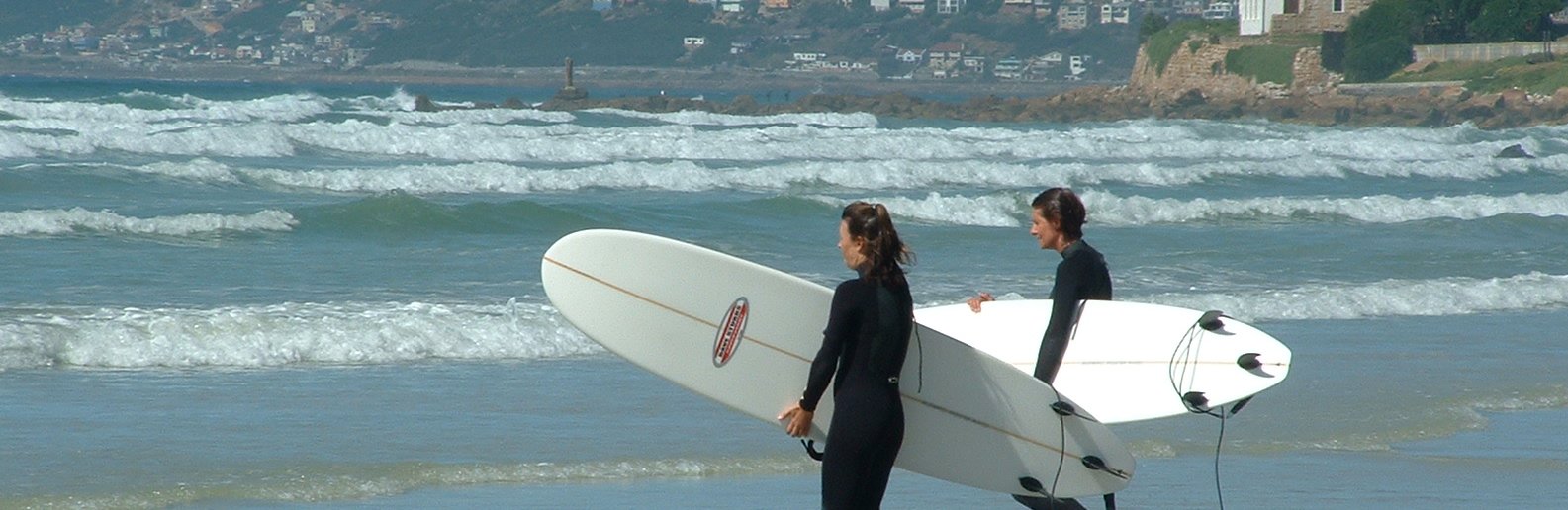
  • El Salvador is also called the surfing mecca. Go to Playa El Zonte for beginners. Or go to Punta Roca with the fantastic waves. Or go to Playa Las Flores known for its stable long waves. Or try Playa El Sunzal. Enough choice!

Updates El Salvador

  • More about El Salvador, updates and contributions, see the link below.
What are the best places to go to in El Salvador?

What are the best places to go to in El Salvador?

  • El Salvador is the smallest country in Central America, but has much to offer: tropical rainforests, volcanoes, many animal species, Mayan ruins, quaint towns and colonial villages. In addition, you will encounter very few other tourists there (yet)!

What are the best places to go to in El Salvador?

  • Suchitoto: This is the former capital of El Salvador. This is a small quiet beautiful town, a cultural center where artists also live. It is nice to walk through and soak up the atmosphere. A well known central plaza with houses built in old continental style. Suchitoto is located in the mountains overlooking a beautiful lake.
  • Perquin is a small town, among pine forests, rivers and waterfalls. It is good hiking with a cool and fresh climate. In this place you can also understand well more about the civil war, in the museum of revolution.
  • El Impossible National Park is the largest national park, and you can do good wildlife spotting. Or go to Los Volcanoes National Park, with three volcanoes side by side in a jungle-like landscape.
  • Visit the pyramid of Tazumal; the Mayans burned their victims there.
  • El Salvador is also known as the surfing mecca. Head to Playa El Zonte for the beginners. Or go to Punta Roca with its fantastic waves. Or go to Playa Las Flores known for its stable long waves. Or try Playa El Sunzal. Plenty of choice!
What is the worst time to got to El Salvador, and what is the best time to travel?

What is the worst time to got to El Salvador, and what is the best time to travel?

What is the best travel and departure time for El Salvador?

  • El Salvador has a climate with relatively few major temperature fluctuations throughout the year.
  • Precipitation is a more limiting factor for those traveling, living, studying or working through the country.
  • Altitude is also an influence, with stably warm conditions on the coast and in the lowlands, cooler mountain areas and freezing temperatures at the highest elevations.

Best travel time in El Salvador

  • From November to April is the dry season in El Salvador. It rains little then and the roads are in good condition.

Worst travel time in El Salvador

  • In the months of March and April it can get quite warm, before the wet season starts in May (through October).
What is the best transport in El Salvador and how to get around?

What is the best transport in El Salvador and how to get around?

Whether or not to travel by plane to El Salvador?

  • Flying from Amsterdam to El Salvador is done with a stopover, often in the USA, via Spain or with a stop in another country in Central America.
    Flight duration is at least about 15-16 hours.

Whether or not to travel by bus in El Salvador?

  • The bus, local and regional/in-between cities, is the most common means of transportation in the not too large El Salvador.
  • Cities, large and smaller, are often well connected with the larger cities as "hubs.
  • Traveling by bus (often an older American school bus) is often an experience in itself.
  • Do allow for longer travel times, despite the shorter distances, because buses often do not travel very fast due to the poor quality of the roads and are regularly "overcrowded.

Whether or not to travel by car in El Salvador?

  • In the larger cities like Santa Ana and, of course, San Salvador you can get around just fine with (inexpensive) cabs and (even cheaper) Ubers.
  • Drivers are often perfectly willing to drive you from one city to another.
  • Having your own driver is also often very useful if you want to go to more remote "hotspots"; arranging transportation back to the city can otherwise be a challenge. Most drivers are happy to be your tour guide for a few hours.
  • If you want to play it safe, have your hotel or hostel arrange a driver.
  • Renting a car yourself is mainly for the more experienced driver who can hold his own in the hustle and bustle of larger cities.

Whether or not to travel by taxi in El Salvador?

  • In the larger cities like Santa Ana and, of course, San Salvador you can get around just fine with (inexpensive) cabs and (even cheaper) Ubers.
  • Drivers are often perfectly willing to drive you from one city to another.


What are typical El Salvadoran habits, food customs, recipes and philosophies in El Salvador?

What are typical El Salvadoran habits, food customs, recipes and philosophies in El Salvador?

What are the customs in El Salvador regarding food?

  • Although El Salvador's cuisine is often still referred to as "pretty basic," today that is partly obsolete. Many chefs have trained internationally and employ creative cooking techniques around ingredients from around the country.
  • Of course, you'll still find traditional corn, beans, plantains and cheese in many dishes.
  • You will also find the fried plantain, in many sub-forms, everywhere in El Salvador; certainly on buses, at bus stations and on the streets.

What are the best recipes in El Salvador?

  • The "must try" national dish of El Salvador is "pupusas": a type of tortilla/arepa (corn or rice flour dough) filled with cheese and/or beans, seafood, meat and/or vegetables. You often get it served with a coleslaw mix and tomato salsa.
  • Tamales, which you find all over Central America-and thus also in El Salvador. Often sold in a roadside stand or around local and regional buses. In El Salvador, tamales are pretty "standard": a cornmeal dough filled with meat, usually chicken or pork. The whole mixture is wrapped in a banana leaf and steamed for several hours, until the filling forms a soft but dense "bread.
  • Yuca con chicharron: yuca is literally a "starchy root vegetable" and chicharron is fried pork belly with (tasty) bits of crispy skin. The yuca is boiled or fried, topped with pork and served with the same curtido that accompanies pupusas. It is almost always served at room temperature, which is why it is sometimes called a salad.
  • Chorilonza: cross between Spanish chorizo and longiza sausages: the spicy chorilonza snack is found mostly on the "Ruta de Flores" (western part El Salvador).
  • Ceviche is also widely eaten in El Salvador: raw fish, mussels, clams or shrimp that are "cooked" with acid, usually lime juice and then mixed with fresh shallots and other ingredients.

What are the best drinks in El Salvador?

  • Horchata is a sweet, spiced drink in which jicaro seeds are used as a base in El Salvador. The ground seeds are mixed with cocoa, cinnamon and coriander seeds before being mixed with milk or water, vanilla and sugar. It is often served over ice cream.
  • Beer from the artisanal Cadejo brewery (Zona Rosa in San Salvador or at El Tunco on the coast) holds its own internationally.
  • Like Guatemala, El Salvador produces very good coffee. The rich, volcanic soil and hilly landscapes are a good base for this coffee. Visit a coffee plantation along the Ruta de las Flores and learn about the entire coffee production process.
  • Ponche is a simple mixture of milk flavored with cinnamon, sugar, nutmeg and vanilla. A dash(s) of rum is added; it is a festive drink often encountered in all kinds of celebrations or special occasions.
  • Salvadoran rum is inexpensive but often of high quality. The cultivation of sugar cane is important to the Salvadoran economy.
  • Popular non-alcoholic drinks include "pinol," roasted ground corn mixed with water, and "tiste," a variation made with cocoa beans and corn.
  • You can go anywhere in El Salvador for a fresh liquada or batida; a mix of fruit with water or milk. For health reasons, it is advisable to ask for chilled milk or water from a new, sealed bottle.

What are notable holidays and festivals in El Salvador?

  • On January 16, 1992, the Salvadoran government and the FMLN guerrilla signed peace accords in Mexico, ending the brutal armed conflict. Every year on this date they celebrate the "National Day of the Victims of the Armed Conflict."
  • As in many other (Catholic) Central American countries, the week around Easter is a real "celebration week" in El Salvador, with many (flower) processions ("alfombra de flores"). Many people are free and visit family or go to the beach.
  • Annually on August 31, Las Bolas de Fuego (Balls of Fire) are celebrated in Nejapa, a small municipality just north of San Salvador. Las Bolas de Fuego is both one of the best and craziest festivals in El Salvador. Crowds gather along both sides of the main street and watch as the people of Nejapa hurl flaming (kerosene!) rag balls at each other for a few hours. The more than 100-year-old tradition commemorates the eruption of the volcano El Playón (1658).
  • Día de Independencia (Independence Day) is celebrated in El Salvador on September 15. Independence from the Spanish is the focus of this national holiday: parades, fireworks and (lots of) food.
  • A young girl's 15th birthday is considered a special date in El Salvador...and is celebrated extensively.

What are the remarkable habits in El Salvador?

  • Salvadoran women often pat each other on the right forearm or shoulder, instead of shaking hands. Men shake hands with other men and women, although they mostly wait for the woman to extend her hand.
  • Meals shared together with big families included extended family is a part of the culture.
How dangerous is El Salvador for your safety, health and insurances?

How dangerous is El Salvador for your safety, health and insurances?

How to stay safe and out of trouble in El Salvador?

  • El Salvador is not exactly a safe country. The government is taking ongoing measures to reduce the number of violent and gang-related crimes, but violent robberies are still relatively common.
  • Also watch out for blockades and demonstrations; stay away from these as much as possible and stay calm.
  • Traveling alone by women is not recommended, due to sexual violence.
  • In any case, it is not recommended for anyone to travel alone in El Salvador, or at night after dark.
  • In rural areas of El Salvador, landmines and unexploded remnants of war are still common. Especially in the districts of Chalatenango and Morazan. Use only paved roads and well-traveled trails.
  • Renting a car in El Salvador is mainly for the more experienced driver. Only drive yourself if you can hold your own in the hustle and bustle of larger cities.

What to look out for regarding crime in El Salvador?

  • Crime in El Salvador ranges from relatively innocuous (such as pickpockets), to violent robberies and sometimes even rape and murder.
  • Among travelers in El Salvador and Central America, stories about safety often travel like wildfire. Listen carefully to these, but don't let them drive you crazy either!
  • Watch your belongings carefully when visiting crowded places, such as markets or bus stations. Also when you're on the bus, especially when you don't have to get off at a stop by yourself. Armed robberies occur in El Salvador, and violence is often not shunned. Should this happen to you, hand over everything and definitely do not resist!
  • Plan to arrive during the day, or travel from the airport to San Salvador (or elsewhere).
  • If traveling by private transportation (not recommended), keep your car doors and windows locked.
  • Penalties for drug offenses are very stiff in El Salvador: long prison sentences in local jails.

What to look out for regarding natural disasters in El Salvador?

  • Hurricane season is from June to November. Hurricanes can cause disruption of (public) services. Always find out where your nearest shelter is.
  • Landslides, mudslides and flooding can occur as a result of hurricanes. Don't take it lightly: the direction and strength of hurricanes can change suddenly.
  • El Salvador has active volcanoes. If you want to go climbing or hike, always check with local authorities about which areas are safe.
  • Earthquakes also occasionally occur in El Salvador.


Why study in El Salvador do an internship, do volunteer work or look for a job in El Salvador?

Why study in El Salvador do an internship, do volunteer work or look for a job in El Salvador?

Why study, do an internship, volunteer or work temporarily in El Salvador?

  • because education is of increasingly better quality (reasonable to good knowledge of Spanish though required).
  • because there are opportunities for studies of indigenous cultures in El Salvador.
  • because your colleagues are often helpful, friendly and interested.
  • because there is much to develop and research in the areas of conservation, women's rights, improving education and, of course, sustainable tourism
  • because, if you make an effort, Salvadorans are very happy to help you improve your Spanish (they adapt their rate of speech).
  • Because the country and the region have a lot to offer to those who stay for a longer period of time.

What should you pay attention to?

  • the work culture in general is very 'mañana' (so set your own pace).
  • sometimes machismo is still clearly present, although things are changing and more and more middle- and upper-class women are starting to work.
  • Salvadorans live by the day and (time) agreements are flexible; but make no mistake: they too can be punctual.
  • in El Salvador there is certainly still respect for hierarchical relations; handle this with care, especially in contact with 'the boss' and older workers.


Why live in El Salvador, why emigrate to El Salvador or stay for a long time?

Why live in El Salvador, why emigrate to El Salvador or stay for a long time?

Why should you live in El Salvador as an expat, emigrant or working nomad?

  • because of the fact that El Salvador is a relatively small country (shorter travel times) and at the same time has "everything": nature, culture, beach, mountains.
  • because of the kind and often enormously hospitable inhabitants.
  • because of the cultural diversity.
  • because of the many beach activities you can do, such as surfing and diving.
  • because of Salvadorans' need for conviviality and the fact that they are extremely hospitable.
  • because of Salvadoran cuisine and tropical fruits.
  • because of the lower costs and reasonable standard of living; especially compared to most other countries in Central America.
  • because of your own extra leisure time due to hired domestic and other help.

What should you pay attention to?

  • when invited to a meal, keep in mind that these are social occasions: meals can be quite long and expect lively conversation while eating.
  • that Salvadoran women often pat each other on the right forearm or shoulder, rather than shaking hands.
  • men shake hands with other men and women, although they usually wait for the woman to extend her hand.
  • that social inequality and poverty is still significant in many places.
  • that a direct communication style is by no means always appreciated. Salvadorans can be sensitive to comments or actions that may compromise their status.
  • that you sometimes have to adjust your demands in terms of efficiency and diligence.
  • that Salvadorans are relatively formal in their business dealings. Handshakes are generally not very firm.
  • that health care is generally good in the cities, but can still be mediocre outside of them.
  • that housing in the larger cities is generally fine, but you have to be careful which neighborhood you arrange housing in.
How does healthcare work in El Salvador, and what travel insurance, health insurance or expat insurance do you need?

How does healthcare work in El Salvador, and what travel insurance, health insurance or expat insurance do you need?

How does the healthcare system work in El Salvador?

What is the quality of healthcare in El Salvador?

  • The healthcare system in El Salvador consists of both public and private institutions. In general, the quality of the public healthcare system is considered to be substandard. However, many people cannot opt ​​for private healthcare due to the cost.
  • Most Salvadorans are covered by the El Ministerio de Salud Pública y Asistencia Social (MSPAS) and El Instituto Salvadoreño del Seguro Social (ISSS).
  • Most healthcare is provided in the larger cities.
  • In recent years, El Salvador has taken positive steps in healthcare. For example, the country is now known for medical tourism in the areas of dental care and cosmetic surgery.
  • Call 911 in the event of a medical emergency. Emergency care in hospitals is called “Emergencia”.

How does the public healthcare system work in El Salvador?

  • The MSPAS provides free healthcare to residents of El Salvador. The system consists of three levels; from primary care in smaller health centers and secondary care in regional and national hospitals, to tertiary care in specialized hospitals.
  • Foreigners with a valid visa can also use the free healthcare.
  • In general, the quality of public care is not good. For example, the machines are often outdated, the staff is often not well trained and there is often a shortage of medicines.
  • The health centers offer basic care such as visits to the general practitioner, dentists and internists. Care in these centers is free, but it comes with very long waiting times.
  • The public health system has two regional hospitals (in addition to many smaller/departmental hospitals) that offer a higher quality of care than other hospitals. These are the Hospital San Juan de Dios in Santa Ana and in San Miguel.
  • For the specialized hospitals (child care, gynecology, Covid etc.) a referral from the regional or departmental hospitals is required.
  • There are also very local clinics that offer free care in rural areas. These clinics offer very limited care and are often only open a few days a week.
  • Then there is also El Seguro Social (ISSS), the social health insurance system. This insurance is mandatory for everyone who works in the public sector or in a private company and offers access to certain healthcare institutions. A contribution is then made by the employee and the employer.

How does the private healthcare system work in El Salvador?

  • The private sector consists of profit-making and non-profit institutions. The profit-making institutions are mainly found in the big cities, the non-profit institutions (generally NGOs and churches) in the countryside.
  • The profit-making private sector generally has better facilities, but is also a lot more expensive. It is therefore mainly used by foreigners and wealthy locals.
  • In the private sector, there is a greater chance that you can get by with English.

How is the general practitioner arranged in El Salvador?

  • The GP in El Salvador is locally called “medico de familia” or “medico general”. The GP provides the first layer of care.
  • There are both public and private GPs in medical centres. Most expats opt for private GPs.
  • It can be helpful to ask other foreigners for advice on finding a good GP.

How is the dentist arranged in El Salvador?

  • Dental care in El Salvador is of good quality, especially in private clinics. The costs are also relatively low, which attracts many medical tourists to the country.
  • In the public sector, waiting times are often long, which is why many locals also opt for private care.
  • Simply call or e-mail a clinic and make an appointment. You can also get insight into the costs via the website or by phone.

How is pregnancy care arranged in El Salvador?

  • Pregnancy care and deliveries can take place in both public and private institutions. Although public care is free, foreigners generally opt for private clinics because of the state of the public system.
  • In public hospitals, the father is generally not allowed to be present at the birth.
  • Both types of centers offer both prenatal- and postnatal care.
  • The father can be present via private care. Better care is also provided, you can choose the doctor you want and, for example, a private room. Be aware that there are costs involved and that you will probably have to pay immediately upon leaving the hospital.
  • Abortion is illegal.

How safe or unsafe is a trip or stay in El Salvador?

What should you pay attention to in terms of safety in El Salvador?

  • El Salvador has historically had high crime rates, mainly due to the presence of violent gangs. Recent government measures have led to a significant decrease in the number of homicides and an improvement in the general safety situation. For example, the homicide rate has dropped from a peak of 106 per 100,000 inhabitants in 2015 to significantly lower figures in recent years. However, it is still a relatively dangerous country.
  • Avoid low-income neighborhoods and remote areas, especially at night. Do not wear expensive jewelry or go out after dark in downtown San Salvador.
  • Be careful at ATMs. You may be followed.
  • The number for the police is 911.

What should you look out for in terms of diseases in El Salvador?

  • Several insect-borne diseases are prevalent in El Salvador, including dengue, chikungunya, and zika. Protect yourself from insect bites by using insect repellent and wearing protective clothing. In addition, tuberculosis is common, especially in children. It is advisable to avoid contact with stray animals due to the risk of rabies.
  • Check which vaccinations are mandatory or recommended before departure.

What should you pay attention to when it comes to traffic in El Salvador?

  • The infrastructure in El Salvador is developing, but road conditions can vary. In urban areas, the roads are generally good, but in rural areas they can be less well maintained. It is important to be alert to unexpected road conditions and traffic behavior.
  • People are generally not very careful when driving. Traffic accidents are common because traffic rules are not always strictly followed and people drive unpredictably. Many accidents are caused by distractions while driving, careless merging and speeding.
  • It is not recommended to use public transport and to hail taxis on the street. If you are traveling by car, keep the windows and doors closed, even while driving.

What work and travel insurance policies are suitable for short and long stays in El Salvador?

  • Is the trip to and your return sufficiently covered? Are you sufficiently covered before, during and after your activities? Which insurance best suits your trip and your activity? Read more about insurances for abroad on JoHoinsurances.org.

What emigration and expat insurance can you take out for El Salvador if you are going to live there for a while?

  • Health insurance is generally not mandatory for a stay in El Salvador and the public healthcare system offers free care. However, most expats opt for their own private insurance in order to be able to use private institutions (with shorter waiting times, better equipment, etc.) and to be covered for possible medical evacuations in situations where local care is insufficient.
  • Make sure your insurance covers medical evacuation as well as coverage in neighboring countries. Read more about insurances for abroad on Expatinsurances.org.


Image

Why get specific insurance when going abroad: per activity abroad
Why should you take out specialized travel insurance for a long trip abroad?

Why should you take out specialized travel insurance for a long trip abroad?

What is round the world travel insurance or long-term travel insurance?

  • Round the world travel insurance means that you take out insurance that continues to provide coverage during all your activities abroad, and which is specifically intended for those who travel for long periods of time, such as world travelers, globetrotters, and nomads.

Why should you take out specialized travel insurance for a long trip abroad?

  • Round the world travel insurance provides coverage for a much longer trip than regular travel insurance.
  • World travel insurance is specifically intended for longer trips, whereas regular travel insurance may offer coverage on paper, but in practice handles it differently.
  • World travel insurance is suitable for many types of activities, ranging from high-altitude trekking to more risky sports.
  • World travel insurance continues to provide coverage if you start working during your trip, whether planned or unplanned. If you did not take out insurance before departure that allows you to work, there is no guarantee that you will be able to take out insurance that provides coverage while abroad.
  • Long-term travel insurance continues to provide coverage when your home country's health insurance no longer does.
  • Worldwide travel insurance also covers your medical expenses up to the actual cost, and not just for the standard costs. The costs per medical treatment vary greatly between countries.
  • Worldwide travel insurance can also continue to provide coverage if negative travel advice is issued.

What is important to insure when you are going to travel around the world?

  • That you have insurance that is valid in the countries where you are going to travel and posibly work.
  • That you are adequately insured for the sports and activities you are going to participate in during your full period abroad
  • That you are insured for emergency assistance and early return if something happens to you or your immediate family.
  • That your medical expenses are insured up to the actual cost and not just for the standard costs. The costs per medical treatment vary greatly between countries.
  • That you insure your luggage and take sufficient precautions against theft or damage.
  • That you are well insured against personal liability.
  • That you are well insured in case of accidents.
  • That you only insure yourself for legal assistance if there is an immediate reason to do so, unless coverage is already automatically included in the insurance.
  • That you pay close attention to choosing the right coverage when performing work or voluntary work during your world trip.

Check out more about

Why should you take out specific insurance when you go on a trip or vacation?

Why should you take out specific insurance when you go on a trip or vacation?

What is insurance for traveling abroad?

  • Travel insurance is insurance that provides coverage for risks during a trip or vacation abroad. This mainly concerns loss of or damage to your luggage, medical assistance, or repatriation costs if you need to be transported back home urgently. In some cases, travel insurance coverage also applies on domestic trips.
  • With annual travel insurance or multi-trip travel insurance, you are insured for all your trips throughout the year.
  • With temporary travel insurance or single-trip travel insurance, you take out insurance for each trip for the duration of the trip.
  • Cancellation insurance reimburses (all or part of) the travel sum, cancellation or accommodation costs if you have to cancel or interrupt your vacation.

Why should you take out travel insurance for a short trip, vacation, or long-distance trip?

  • Travel insurance can provide coverage in the event of an accident or emergency while you are abroad.
  • Travel insurance can provide coverage for damage and accidents during the adventurous or sporting activities you plan to do.
  • Travel insurance can continue to provide coverage if your health insurance no longer provides coverage, or if the damage is only reimbursed at cost price of your home country.
  • Travel insurance can provide coverage in the event of damage, loss, or theft of your luggage.
  • Travel insurance can provide coverage if you are held liable for damage you cause to other people or their property.
  • Travel insurance can provide coverage if you have to return home early because something has happened to you or your immediate family.

What is important to insure when you are going to travel abroad?

  • That you have insurance that is valid in the country or countries that you are going to visit.
  • That you are adequately insured for the sports and activities you are going to participate in during your period abroad.
  • That you are insured for emergency assistance and early return if something happens to you or your immediate family.
  • That your medical expenses are insured up to the actual cost and not just for the standard costs. The costs per medical treatment vary greatly between countries.
  • That you insure your luggage and take sufficient precautions against theft or damage.
  • That you are well insured against personal liability.
  • That you are well insured in case of accidents.
  • That you only insure yourself for legal assistance if there is an immediate reason to do so, unless coverage is already automatically included in the insurance.
  • That you pay close attention to choosing the right coverage when performing work alongside your travels.

Check out more about international insurances

Why should you take out specialized travel insurance for working abroad?

Why should you take out specialized travel insurance for working abroad?

Why should you take out specialized travel insurance for paid work, voluntary work or an internship abroad?

  • There may be several reasons why you need separate insurance when working abroad.
  • During work, internships, or volunteer work abroad where you receive financial compensation (or, for example, food or housing), your national health insurance coverage may expire. You will then need special insurance to remain insured for illness and accidents.
  • During specific work abroad, additional requirements may apply if your work involves additional risks. Only specific insurance policies offer coverage during this type of work.
  • During your work, the risk of accidents is sometimes greater, for example because you are doing work with which you have little experience or because of the nature of the work.
  • During your work, local employers generally offer no or limited insurance that provides insufficient coverage.

What is important to insure when you are going to work abroad?

  • That you have insurance that is valid in the country or countries where you are going to travel and work.
  • That you are adequately insured for the sports and activities you are going to participate in during your period abroad
  • That you are insured for emergency assistance and early return if something happens to you or your immediate family.
  • That your medical expenses are insured up to the actual cost and not just for the standard costs. The costs per medical treatment vary greatly between countries.
  • That you insure your luggage and take sufficient precautions against theft or damage.
  • That you are well insured against personal liability.
  • That you are well insured in case of accidents.
  • That you only insure yourself for legal assistance if there is an immediate reason to do so, unless coverage is already automatically included in the insurance.
  • That you pay close attention to choosing the right coverage when performing work.

Check out more about international insurances

Why should you take out specialized travel insurance for volunteering abroad?

Why should you take out specialized travel insurance for volunteering abroad?

What is insurance for volunteering abroad?

  • Insuring volunteer work abroad means taking out insurance that continues to provide coverage while you are working as a volunteer abroad

Why should you take out specialized travel insurance for voluntary work abroad?

  • There may be several reasons why you need separate insurance when volunteering abroad.
  • During specific activities abroad, additional requirements may apply if your work involves extra risks. Only specific insurance policies offer coverage during these activities.
  • The risk of accidents is sometimes higher during your work, for example because you are doing work you have little experience with or because of the nature of the work.
  • Local projects or employers generally offer no or limited insurance that provides insufficient coverage during your work.
  • When volunteering abroad and receiving minor financial compensation (or, for example, food or housing), your home country's health insurance coverage will potentially lapse. You will then need special insurance to remain insured for illness and accidents.
  • Regular travel insurance policies generally provide coverage for trips of a limited number of days. If your trip or stay abroad exceeds the maximum number of days, this generally means that for the entire travel period, you will not be covered.
  • Regular travel insurance policies generally only provide coverage for recreational travel without voluntary work activities. If you engage in activities other than recreational activities (such as volunteer work), this generally means that for the entire travel period, you will not be covered.

What is important to insure when you are going to work as a volunteer abroad?

  • That you have insurance that is valid in the country or countries where you are going to travel and volunteer.
  • That you are adequately insured for the sports and activities you are going to participate in during your period abroad
  • That you are insured for emergency assistance and early return if something happens to you or your immediate family.
  • That your medical expenses are insured up to the actual cost and not just for the standard costs. The costs per medical treatment vary greatly between countries.
  • That you insure your luggage and take sufficient precautions against theft or damage.
  • That you are well insured against personal liability.
  • That you are well insured in case of accidents.
  • That you only insure yourself for legal assistance if there is an immediate reason to do so, unless coverage is already automatically included in the insurance.
  • That when performing work in healthcare, with wild animals, and with dangerous (agricultural) machinery, you take care to choose the right coverage.

Check out more about international insurances

Why should you take out specialized travel insurance for an internship abroad?

Why should you take out specialized travel insurance for an internship abroad?

What is insurance for an internship abroad?

  • Insuring an internship abroad means taking out insurance that continues to provide coverage during your internship abroad
  • Insurance for internships abroad are also referred to as internship insurance. This internship insurance is specifically for when you go abroad for a long period of time to work as an intern, take courses, or conduct research abroad.

Why should you take out specialized travel insurance for an internship abroad?

  • There may be several reasons why you need separate insurance for an internship abroad.
  • During internship activities abroad, additional requirements may apply as soon as you start performing work that involves additional risks. Only specific insurance policies offer coverage during these activities.
  • During your internship, the risk of accidents is sometimes greater, for example because you are doing work with which you have little experience or because of the nature of the work.
  • During your internship, local employers generally do not offer insurance, or offer limited insurance that does not provide sufficient coverage.
  • During an internship abroad where you receive financial compensation (or, for example, food or accommodation), your home country's health insurance coverage will potentially lapse. You will then need special insurance to remain insured for illness and accidents.
  • Regular travel insurance policies generally provide coverage for trips of a limited number of days. If your trip or stay abroad exceeds the maximum number of days, this generally means that for the entire travel period, you will not be covered.
  • Regular travel insurance policies generally only provide coverage for recreational trips without work activities.

What is important to insure when you are going to be an intern abroad?

  • That you have insurance that is valid in the area where you will be traveling and doing your internship.
  • That you are adequately insured for the sports and activities you will be participating in.
  • That you are insured for emergency assistance and early return in case something happens to you or your immediate family.
  • That your medical expenses are insured up to the actual cost (what it actually costs), and not just for the standard costs. The costs per medical treatment vary greatly between countries.
  • That you insure your luggage and take sufficient precautions against theft or damage.
  • That you are well insured against personal liability and, preferably, also for liability during your internship.
  • That you are well insured in case of accidents.
  • That you insure yourself for legal assistance if there is an immediate reason to do so, unless the coverage is already automatically included in the insurance.
  • Make sure you choose the right coverage for internship work in healthcare, with wild animals, or with dangerous machinery!

Check out more about international insurances

Why should you take out specialized travel insurance for studying abroad?

Why should you take out specialized travel insurance for studying abroad?

What is insurance for studying abroad?

  • Insurance for studying abroad means that you take out insurance that continues to provide coverage during your studies, your education, and your related activities abroad.
  • Insurance for studying abroad is also referred to as study insurance. This study insurance is specifically for when you go abroad for a long period of time to take courses, study, or conduct research abroad.

Why should you take out specialized travel insurance for a study abroad?

  • Study insurance is specifically designed for studying abroad, whereas regular travel insurance policies may offer coverage on paper but handle this situation differently in practice.
  • Study insurance offers coverage for longer stays than regular (vacation) travel insurance.
  • Study insurance is also suitable for many types of activities, ranging from various sports to hiking at high altitudes.
  • Study insurance continues to provide coverage if you start working during your trip, whether planned or unplanned. If you have not taken out insurance before departure that allows you to work, there is no guarantee that you will be able to take out insurance abroad that provides coverage.
  • Study insurance continues to provide coverage if your own country's health insurance no longer provides coverage.
  • Student insurance also covers your healthcare costs above the rates in your own country; with regular insurance, you have to pay the extra costs yourself.
  • Student insurance can also continue to provide coverage if (study) visa issuers impose additional requirements on how you insure yourself, for example if you are going to the US and applying for a J-1 visa.
  • Student insurance continues to provide coverage if you are staying abroad for a longer period of time and want to visit your own country in between.

What is important to insure when you are going to study abroad?

  • That you have insurance that is valid in the country or countries where you are going to travel and work.
  • That you are adequately insured for the sports and activities you are going to participate in during your period abroad
  • That you are insured for emergency assistance and early return if something happens to you or your immediate family.
  • That your medical expenses are insured up to the actual cost and not just for the standard costs. The costs per medical treatment vary greatly between countries.
  • That you insure your luggage and take sufficient precautions against theft or damage.
  • That you are well insured against personal liability.
  • That you are well insured in case of accidents.
  • That you only insure yourself for legal assistance if there is an immediate reason to do so, unless coverage is already automatically included in the insurance.
  • That you pay close attention to choosing the right coverage when performing work alongside your studies.

Check out more about international insurances

Why should you take out specialized insurance for moving abroad as an emigrant or an expat?

Why should you take out specialized insurance for moving abroad as an emigrant or an expat?

What is an emigration insurance and what is an expat insurance?

  • Emigration insurance is an insurance that continues to provide coverage if you move abroad permanently or for an indefinite period of time.
  • Emigration insurance is not only intended for emigrants, but for anyone who leaves their home country for an extended period of time and does not intend to return in the foreseeable future.
  • Expat insurance is insurance that continues to provide coverage if you go to work abroad for a local or international employer for an extended period of time.
  • Expat insurance is not only intended for expats, but for anyone who has a more permanent job abroad.

Why should you take out specialized insurance for emigration or working as an expat abroad?

  • Emigration or expat insurance not only provides coverage for acute assistance in the event of illness or accident abroad, such as travel insurance, but can also provide coverage for existing conditions and ailments or non-urgent care.
  • Emigration or expat insurance does not require you to maintain valid health insurance in your home country.
  • Emigration or expat insurance provides coverage for preventive care or costs related to pregnancy and childbirth.
  • Emigration or expat insurance also provides coverage for long-term treatments and chronic conditions without you having to return to your home country.
  • Emigration or expat insurance often has no restrictions on the duration of the insurance, unlike travel insurance.
  • Emigration or expat insurance usually maintains coverage in cases such as negative travel advice or acts of war.
  • Emigration or expat insurance offers various solutions in the areas of disability, home and household insurance, goods transport, and liability.

What is important to insure when you are going to move abroad?

  • That you have insurance that is valid in the country or countries where you are going to live and/or work.
  • That you are adequately insured for the sports and activities you are going to participate in during your period abroad
  • That you are insured for emergency assistance and early return if something happens to you or your immediate family.
  • That your medical expenses are insured up to the actual cost and not just for the standard costs. The costs per medical treatment vary greatly between countries.
  • That you are well insured against personal liability.
  • That you are well insured in case of accidents.
  • That you pay close attention to choosing the right coverage when performing work with additional health risks

Check out more about international insurances

Why should you take out travel insurance and why through the JoHo Foundation?

Why should you take out travel insurance and why through the JoHo Foundation?

Why Insurances through JoHo

  • Specialized: in emigration, work, internships, study and travel abroad.

  • Service: JoHo offers multiple travel insurances by multiple companies. Thanks to JoHo's extensive experience, it can offer support in case of problems with insurers, as well as advice and fast and personal handling.

  • Safe: JoHo is recognized as a trustworthy intermediary for insurances.

  • Social: by purchasing an insurance through JoHo you provide a talented student in The Philippines with health insurance

Why Should You Take Out A Travel Insurance?

  • The chance of getting injured or ill is generally higher than when you would have stayed at home. The medical care you will need can be very expensive, even more so if you are treated in a private clinic.

  • If you have to fly back because of family circumstances, the flights might be more expensive than your original flight because you have to fly on short notice.

  • You might have to deal with the damage, loss or theft of your luggage.

  • In case of emergency it can be difficult to figure out what to do. A good travel insurance will have an assistance team on standby for you 24/7 and will be able to tell you what steps to take.

Why Should You Specifically Take Out A Travel Insurance For A Long Trip Abroad?

  • Often regular travel or health insurances only cover trips for a maximum number of days (for example 60, 90 or 180 days).

  • Depending on your home country, your health insurance might not offer any coverage for treatment abroad.

  • During a long trip you might consider specific activities, like paid work or volunteering. Regular travel insurances often don’t cover these kind of activities. The same goes for adventurous/ hazardous sports like skydiving, scuba-diving and bungee jumping.

More on why to use JoHo

  • JoHo is one of the few organizations where you can directly purchase a comprehensive range of foreign insurances from a variety of insurers. As with our other products and services, we believe that you should be able to choose between the best, the most cost effective and the most specialized insurance.

  • JoHo offers various possibilities from combining insurances to assisting in transferring from one insurer to another.

  • When you purchase an insurance policy through JoHo, you will not pay more than if you had purchased it directly from the insurer. Sometimes (through special collective agreements) you will even pay less.

  • JoHo offers support with problems that may arise with the insurer. Sometimes disagreement with claims, cancellation notice or insurance premiums can occur. In this situation it helps if you have the assistance of an organization who has an established relationship with the insurer.


Read more about JoHo and JoHo Insurances

Image

Safety and insurances in El Salvador

How does healthcare work in El Salvador, and what travel insurance, health insurance or expat insurance do you need?

How does healthcare work in El Salvador, and what travel insurance, health insurance or expat insurance do you need?

How does the healthcare system work in El Salvador?

What is the quality of healthcare in El Salvador?

  • The healthcare system in El Salvador consists of both public and private institutions. In general, the quality of the public healthcare system is considered to be substandard. However, many people cannot opt ​​for private healthcare due to the cost.
  • Most Salvadorans are covered by the El Ministerio de Salud Pública y Asistencia Social (MSPAS) and El Instituto Salvadoreño del Seguro Social (ISSS).
  • Most healthcare is provided in the larger cities.
  • In recent years, El Salvador has taken positive steps in healthcare. For example, the country is now known for medical tourism in the areas of dental care and cosmetic surgery.
  • Call 911 in the event of a medical emergency. Emergency care in hospitals is called “Emergencia”.

How does the public healthcare system work in El Salvador?

  • The MSPAS provides free healthcare to residents of El Salvador. The system consists of three levels; from primary care in smaller health centers and secondary care in regional and national hospitals, to tertiary care in specialized hospitals.
  • Foreigners with a valid visa can also use the free healthcare.
  • In general, the quality of public care is not good. For example, the machines are often outdated, the staff is often not well trained and there is often a shortage of medicines.
  • The health centers offer basic care such as visits to the general practitioner, dentists and internists. Care in these centers is free, but it comes with very long waiting times.
  • The public health system has two regional hospitals (in addition to many smaller/departmental hospitals) that offer a higher quality of care than other hospitals. These are the Hospital San Juan de Dios in Santa Ana and in San Miguel.
  • For the specialized hospitals (child care, gynecology, Covid etc.) a referral from the regional or departmental hospitals is required.
  • There are also very local clinics that offer free care in rural areas. These clinics offer very limited care and are often only open a few days a week.
  • Then there is also El Seguro Social (ISSS), the social health insurance system. This insurance is mandatory for everyone who works in the public sector or in a private company and offers access to certain healthcare institutions. A contribution is then made by the employee and the employer.

How does the private healthcare system work in El Salvador?

  • The private sector consists of profit-making and non-profit institutions. The profit-making institutions are mainly found in the big cities, the non-profit institutions (generally NGOs and churches) in the countryside.
  • The profit-making private sector generally has better facilities, but is also a lot more expensive. It is therefore mainly used by foreigners and wealthy locals.
  • In the private sector, there is a greater chance that you can get by with English.

How is the general practitioner arranged in El Salvador?

  • The GP in El Salvador is locally called “medico de familia” or “medico general”. The GP provides the first layer of care.
  • There are both public and private GPs in medical centres. Most expats opt for private GPs.
  • It can be helpful to ask other foreigners for advice on finding a good GP.

How is the dentist arranged in El Salvador?

  • Dental care in El Salvador is of good quality, especially in private clinics. The costs are also relatively low, which attracts many medical tourists to the country.
  • In the public sector, waiting times are often long, which is why many locals also opt for private care.
  • Simply call or e-mail a clinic and make an appointment. You can also get insight into the costs via the website or by phone.

How is pregnancy care arranged in El Salvador?

  • Pregnancy care and deliveries can take place in both public and private institutions. Although public care is free, foreigners generally opt for private clinics because of the state of the public system.
  • In public hospitals, the father is generally not allowed to be present at the birth.
  • Both types of centers offer both prenatal- and postnatal care.
  • The father can be present via private care. Better care is also provided, you can choose the doctor you want and, for example, a private room. Be aware that there are costs involved and that you will probably have to pay immediately upon leaving the hospital.
  • Abortion is illegal.

How safe or unsafe is a trip or stay in El Salvador?

What should you pay attention to in terms of safety in El Salvador?

  • El Salvador has historically had high crime rates, mainly due to the presence of violent gangs. Recent government measures have led to a significant decrease in the number of homicides and an improvement in the general safety situation. For example, the homicide rate has dropped from a peak of 106 per 100,000 inhabitants in 2015 to significantly lower figures in recent years. However, it is still a relatively dangerous country.
  • Avoid low-income neighborhoods and remote areas, especially at night. Do not wear expensive jewelry or go out after dark in downtown San Salvador.
  • Be careful at ATMs. You may be followed.
  • The number for the police is 911.

What should you look out for in terms of diseases in El Salvador?

  • Several insect-borne diseases are prevalent in El Salvador, including dengue, chikungunya, and zika. Protect yourself from insect bites by using insect repellent and wearing protective clothing. In addition, tuberculosis is common, especially in children. It is advisable to avoid contact with stray animals due to the risk of rabies.
  • Check which vaccinations are mandatory or recommended before departure.

What should you pay attention to when it comes to traffic in El Salvador?

  • The infrastructure in El Salvador is developing, but road conditions can vary. In urban areas, the roads are generally good, but in rural areas they can be less well maintained. It is important to be alert to unexpected road conditions and traffic behavior.
  • People are generally not very careful when driving. Traffic accidents are common because traffic rules are not always strictly followed and people drive unpredictably. Many accidents are caused by distractions while driving, careless merging and speeding.
  • It is not recommended to use public transport and to hail taxis on the street. If you are traveling by car, keep the windows and doors closed, even while driving.

What work and travel insurance policies are suitable for short and long stays in El Salvador?

  • Is the trip to and your return sufficiently covered? Are you sufficiently covered before, during and after your activities? Which insurance best suits your trip and your activity? Read more about insurances for abroad on JoHoinsurances.org.

What emigration and expat insurance can you take out for El Salvador if you are going to live there for a while?

  • Health insurance is generally not mandatory for a stay in El Salvador and the public healthcare system offers free care. However, most expats opt for their own private insurance in order to be able to use private institutions (with shorter waiting times, better equipment, etc.) and to be covered for possible medical evacuations in situations where local care is insufficient.
  • Make sure your insurance covers medical evacuation as well as coverage in neighboring countries. Read more about insurances for abroad on Expatinsurances.org.


Image ACTIVITIES

Check courses, jobs, projects, recipes, suggestions and tips related to: 'El Salvador'

CHECK MORE ACTIVITIES

Make a selection, to find more tips than you see below

Image Kom voor een jaar werken in Latijns-Amerika als leerkracht, creatief therapeut, logopedist of fysiotherapeut
Kom voor een jaar werken in één van de projecten voor kwetsbare kinderen in Midden- en Zuid-Amerika. Je kunt afhankelijk van je ervaring aan de slag als leerkracht,...
Image Werk mee op een biologische boerderij in Midden-Amerika of verblijf in een duurzame gemeenschap
Werk mee op een biologische boerderij in midden-amerika of verblijf in een duurzame gemeenschap. Met name als je wilt leven op een boerderij in Mexico, Costa Rica of...
Image Become an English teacher in Latin America as part of a project that combats poverty with an integrated approach
Become an English teacher in Latin America as part of a project that combats poverty with a positive, integrated approach. Teach English at primary school or at...
Image Take your spanish classes in El Salvador
Take your spanish classes in El Salvador. This language school is an exciting solidarity project that offers the opportunity for cultural exchange between Salvadorans...
Image Ga na het halen van je TEFL certificaat aan de slag als docent Engels in El Salvador
Geef les op een taalschool met sociale roots. Je geeft als vrijwilliger les aan lokale jeugd en/of volwassenen. Onderdeel van je taken zal ook zijn om wekelijks een...
Image Make impact with your international internship in marketing, social studies or focus on women empowerment in El Salvador
Make impact with your international internship in marketing, social studies or focus on women empowerment in El Salvador. Both interns and volunteers are welcome to...
Activities abroad: home bundle

Main content and contributions for activities abroad

,,,accommodations, adventure activities, courses, internships, jobs and volunteer projects

...to help another, travel with care, work together , learn to share and inspire with your experience


Activities abroad: home page

Activities abroad: home page

From language courses to gap year abroad, from work experience to volunteering abroad, from paid work to internship abroad, from mountaineering to diving and from backpacking to travel around the world

    What social activities can you do abroad?

    • Opportunities are found in the areas of helping, learning or studying. You can get involved to volunteer in a social project at a school in Africa, Asia or Latin America. You can get involved in nature, in a project with animals or cleaning the sea or beaches. Those who want to learn more can choose for example a language course in Latin America, Spain or South Africa.

    What work related activities can you do abroad?

    • If you want to gain work experience, and/or also earn money, go and work abroad. You can combine backpacking in Australia with temporary work. You can work on campsites in Europe or bush camps in Africa. You can pretty much go all over the world to work in the hospitality industry, hotels and hostels, in the healthcare sector or for example at a diving school.

    What sports activities to do abroad?

    • Have you ever thought of mountain biking, rafting (going down a wild river on a raft or rubber dinghy, climbing or canoeing), survival (which involves building rafts, climbing or canoeing), abseiling (descending a rock face while secured to ropes), zip-lining (whizzing down a cable), canyoning (starting at the top of a river and then climbing, swimming, diving down the bed) or caving (scrambling, wriggling and crawling through caves and crevices)?
    • Maybe you feel more comfortable on a bodyboard (on a half-wave surfboard, you surf the high waves lying down-with flippers), on a hang glider or while paragliding (with a parachute you float down a mountain or dune), hydrospeeding (on a bodyboard with flippers and a wetsuit on you go down a wild river via rapids) or Tiefschneeskiing (racing down through powder snow)?

    Check the pages below for more activities and inspiration and where to go and how to arrange it

      Activities abroad: for gap year, sports, travel and outdoor abroad

      Activities abroad: for gap year, sports, travel and outdoor abroad

      Bundled content for gap year, sports, travel and outdoor abroad

      Access: 
      Public

      Image STORIES

      Check blogs, experiences and information related to: 'El Salvador'

      CHECK MORE STORIES

      Make a selection, to find more blogs and contributions than you see below

      Image Why study in El Salvador do an internship, do volunteer work or look for a job in El Salvador?
      What are the reasons to study in El Salvador do an internship, do volunteer work or look for a job in El Salvador?
      Image What are the best places to go to in El Salvador?
      What are the best places to go to in El Salvador
      Image What is the worst time to got to El Salvador, and what is the best time to travel?
      What is the best travel and departure time for El Salvador? El Salvador has a climate with relatively few major temperature fluctuations throughout the year...
      Image El Salvador: Updates & Travel
      Travel in El Salvador Updates El Salvador Back to top Travel in El Salvador El Salvador is the smallest country in Central America, but has a lot to offer: tropical...
      Image What is the best transport in El Salvador and how to get around?
      What is the best mode of transport in El Salvador, and how to get around?
      Countries & Destinations: home bundle

      Bundled content, suggestions, stories and tips about the countries and destinations in the world

      ...to help another, travel with care, work together , learn to share and inspire with your experience

      Africa: country bundles

      Africa: country bundles

      Access: 
      Public
      Asia: country bundles

      Asia: country bundles

      Country bundles of Asian countries

      Access: 
      Public
      Europe: country bundles

      Europe: country bundles

      Country bundles of European countries

      Access: 
      Public
      The Caribbean: country bundles

      Image ORGANIZATIONS

      Check sectors and organizations related to: 'El Salvador'

      CHECK MORE ORGANIZATIONS

      Make a selection, to find more or other organizations than you see below

      Image Nuestros Pequeños Hermanos
      Nuestros Pequeños Hermanos (NPH) is an organization dedicated to offering vulnerable children in Latin America a home. As a NPH volunteer you work with children, a...
      Image WereldOuders
      WereldOuders biedt structurele hulp aan kwetsbare kinderen en gezinnen in negen landen in Latijns-Amerika. Door medische zorg, een veilig thuis en goed onderwijs komen...
      Image Mélida Anaya Montes Language School
      The Mélida Anaya Montes Language School is part of CIS-El Salvador. This institution promotes mutual solidarity among communities in El Salvador, strengthens social...
      Image Lustrumfiesta
      Lustrumfiesta is een reisbureau opgericht door vier Nederlanders die reizen in Latijns-Amerika organiseren. De reizen zijn voornamelijk gericht op studentenverenigingen.
      Organizations & Services: home bundle

      Bundled content, suggestions, stories and tips about organizations and their products and services

      ...to help another, travel with care, work together, learn to share and inspire with your experience

      Organizations: home page
      Organizations: for administrative, tax and legal work and consulting
      Organizations: for agriculture, grape picking, farming and vineyards
      Organizations: for animal protection, animal care and working with wildlife abroad
      Organizations: for au pairs, youth work and child care abroad
      Organizations: for bush camping and working at a campsite abroad
      Organizations: for catering, hospitality and entertainment abroad
      Organizations: for civil society and social work abroad
      Organizations: for corporate business services
      Organizations: for customer services abroad and help desks
      Organizations: for diving, snorkeling and water sports abroad
      Organizations: for education and schools abroad
      Organizations: for expatriate insurances, travel insurances, and emergency call centers
      Organizations: for gap year activities abroad and sabbaticals
      Organizations: for internship placement abroad
      Organizations: for insurances and finance abroad
      Organizations: for IT, engineering and construction
      Organizations: for language travel and language teaching abroad
      Organizations: for marketing, communication and PR
      Organizations: for mediation in au pairs, childcare and elderly care in the Netherlands
      Organizations: for moving, international relocation and transport abroad
      Organizations: for nature conservation, environmental protection and working in nature abroad
      Organizations: for nonprofit projects, development work and international cooperation
      Organizations: for online work as digital nomad, freelancer, or independent entrepreneur from abroad
      Organizations: for outdoor activities and sports
      Organizations: for providing accommodation and hospitality work in hotels, guesthouses, ecolodges and hostels abroad
      Organizations: for providing healthcare and working in medical care abroad
      Organizations: for psychological assistance and mental health care abroad
      Organizations: for real estate, brokerage abroad and property rental abroad
      Organizations: for research and scientific work abroad
      Organizations: for student support and student associations
      Organizations: for tour guidance and adventure tours abroad
      Organizations: for tourism and organized travel and leisure work abroad
      Organizations: for voluntary work mediation and project placement abroad
      Organizations: for yacht and shipping crew and working on a cruise ship abroad

      Image SUMMARIES

      Check summaries and study assistance related to: 'El Salvador'

      CHECK MORE SUMMARIES

      No results found.

      Image

      SPOTLIGHT & FAVORITES

      FAVORITES
      El Salvador: Updates & Travel
      • Travel in El Salvador
      • Updates El Salvador
      • Travel in El Salvador

        • El Salvador is the smallest country in Central America, but has a lot to offer: tropical rainforests, volcanoes, many animal species, Mayan ruins, nice towns and colonial villages.
        • I...

      Image ALL CONTENT

      Search all related content within the topic: 'El Salvador'

      ALL CONTENT WITHIN TOPIC

      Select any filter and click on Apply to see results

      Image

      TOPICS : check associated topics and more activities

      Check more: activities in WorldSupporter
      Go abroad!
      Page topic

      Stories, tips and experiences from El Salvador

      Submenu & Search

      Search only via club, country, goal, study, topic or sector