Travel to Pakistan to backpack, study, intern, volunteer, work, or live as a digital nomad, expat or emigrant?

Image

Image

Image  Pakistan

Intro

Backpacking or travelling in Pakistan?

  • Pakistan is a country full of contrasts. One day you find yourself in a chaotic city full of rickshaws and markets, the next day you are face to face with the serene peaks of the Karakoram. Travelling here is an adventure, with a mix of warm hospitality and practical challenges.
  • City spotting: Islamabad, Lahore, Karachi, Peshawar, Skardu & Gilgit.
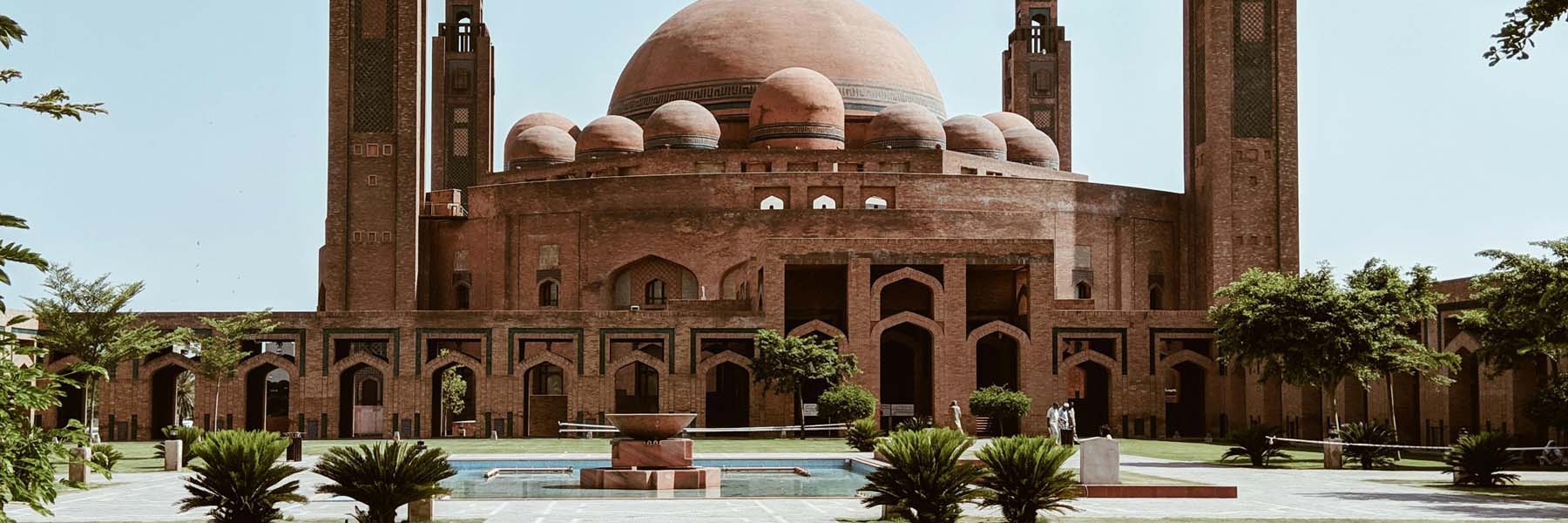
  • Activity spotting: Hiking in the Karakoram and Himalayas, visit ancient cities and forts, explore the desert, drink chai with the locals and visit the Sufi shrines and Badshahi mosque.
  • Nature spotting: Fairy Meadows with a view of the gigantic Nanga Parbat, Hunza Valley, Deconocan Park, Karakoram Highway.
  • Animal spotting: Snow leopards, markhor, brown bears, wolves, Indus river dolphin, mongooses and jackals.
  • Food spotting: Biryani, chapli kebab, nihari, halwa puri, chai.

Studying in Pakistan?

  • Universities in Pakistan vary greatly in quality and atmosphere. The best institutions offer internationally recognized programs, while some government schools perform less well.
  • Studies: business, technology, science.
  • Study cities: Lahore, Islamabad, Karachi.
  • Language: English-language education is common at the better universities.

Internships in Pakistan?

  • Internship opportunities for foreigners are not easy to find, but most options are in development aid, at international companies and NGOs and at universities.
  • Competencies: Intercultural communication, adaptability, networking and collaboration, building relationships, learning to switch quickly and solving problems.

Volunteering in Pakistan?

  • Volunteering is mainly found in the humanitarian aid sector. Think of healthcare, development work, education (teaching English, for example). There are also opportunities in nature management, but these are often on a part-time basis at local organizations.

Working in Pakistan?

  • Pakistan offers work opportunities in the NGO sector in the field of nature conservation, humanitarian aid and education. In addition, the IT and tech sector is emerging and there are international schools where people may be looking for English-speaking teachers.
  • Work culture: formal and hierarchical. Networking is important, working days are from Monday to Friday or Saturday and Islamic norms play an important role.

Working as a digital nomad in Pakistan?

  • Pakistan is not ideal for digital nomads because the country is not set up for it, but it is possible if you like a bit of challenge, adventure and you want to spend little! The internet connections are variable, and the coworking spaces are limited. But just find a nice homestay, get your unlimited data sim card and you're all set! 
  • Favorite locations: Islamabad, Lahore, Hunza Valley.

Living in Pakistan?

  • Pakistan is a beautiful country to live in, with intense nature and beautiful architecture, but a move can bring with it a big culture shock. It is important to prepare yourself well for the pros and cons of living in Pakistan, such as the health and safety risks, but also the personal connections and the delicious food and beautiful landscape.
  • Education: For expat families, there are various international schools in cities such as Islamabad, Lahore and Karachi that offer education according to British, American or other international curricula.
  • Expat community: The expat community is largest in Islamabad and Karachi.
  • Safety: The safety situation in Pakistan varies by region. There is a relatively high level of crime, also in cities such as Islamabad, Lahore and Karachi. Make sure you are well informed about advice (do not go to dangerous areas at night, etc.). Outside the cities, there are also areas where caution is advised. It is advisable to always stay informed about the latest travel advice and consult local news sources.
  • Culture: Pakistan is a country with a rich history and different cultures. The population consists of Punjabis, Sindhis, Pashtuns and Baloch, each with their own unique traditions and languages. The people are known for their hospitality and social gatherings with good food are an important part of the culture. Family values ​​are also very important and it is important to respect this family dynamic and the respect for elders. In addition, Islam influences many aspects of daily life.
  • Health insurance: Health care is of good quality in the private hospitals in the big cities, but expensive. So make sure you have your own good health insurance.
Pakistan Country Bundle: suggestions, stories and tips
Pakistan Country Bundle: suggestions, stories and tips

Image

Content about Pakistan on WorldSupporter

How does healthcare work in Pakistan, and what travel insurance, health insurance or expat insurance do you need?

How does healthcare work in Pakistan, and what travel insurance, health insurance or expat insurance do you need?

How does the healthcare system work in Pakistan?

What is the quality of healthcare in Pakistan?

  • Living in Pakistan does have some challenges when it comes to healthcare. There are good facilities in the big cities, but in serious situations evacuation is sometimes necessary.
  • Pakistan has a mixed healthcare system of public and private healthcare and there is a lot of cooperation between these sectors.
  • Since the government abandoned public healthcare, private healthcare has taken on a more important role. Unfortunately, the majority of Pakistanis do not have access to healthcare due to the high costs.
  • Access to adequate healthcare really depends on where you live. The best facilities are in big cities such as Lahore, Karachi and Islamabad.
  • There is no reliable system for emergency medical services. The fastest way to get to a healthcare facility is to take your own transport or a taxi.
  • Pharmacies are easy to find in urban areas and are usually well stocked.

How does the public healthcare system work in Pakistan?

  • There is a universal public healthcare system. Free healthcare is available, but it is very limited and subject to extreme shortages of facilities, staff and equipment. The biggest source of this problem is the consistent underfunding of the sector by the government.
  • The continuous turnover of the government due to political unrest also plays a major role in the absence of good health care policy.
  • Public care is still lagging far behind modern health care, hygiene leaves much to be desired and waiting times are long. Foreigners in Pakistan therefore usually do not use public care, nor do the wealthier locals.

How does the private healthcare system work in Pakistan?

  • Private care is a lot better, in the larger cities. Hospitals are well equipped, medication is generally available and the doctors are well trained.
  • Unfortunately, private care is a lot more expensive, which means that most Pakistanis do not have access to private care.
  • Some of the best hospitals are the Aga Khan University Hospital, the Seventh Day Adventist Hospital in Karachi and the Shifa Medical Center and Pakistan Institute of Medical Sciences in Islamabad.

How is the general practitioner arranged in Pakistan?

  • There is no general practitioner system in Pakistan. Usually people go directly to a public or private clinic or hospital.

How is the dentist arranged in Pakistan?

  • There are major extremes in the field of oral care in Pakistan. Local dentists earn little and many are unemployed. Locals cannot afford dental care and there are illegal street dentists who help these people in self-established street clinics.
  • For wealthy Pakistanis and other people who can afford it, there are good, foreign-trained dentists available in the big cities. The clinics are ultramodern and offer good dental care and are also very expensive.

How is pregnancy care arranged in Pakistan?

  • The child and maternal mortality rates in Pakistan are among the highest in the world. This is due to malnutrition, poor hygiene and limited access to medical care.
  • Teenage pregnancies are still a problem, especially in conservative communities where girls marry at a young age.
  • Pregnancy is seen as a blessing, and the family (especially in-laws) often plays a major role in the care and decisions surrounding the birth. Mothers-in-law often have a lot of influence on how a woman goes through her pregnancy and delivery, which can sometimes be a pressure.
  • As is perhaps obvious, medical care in Pakistan is very unequal. In the big cities there are facilities for pregnant women and newborns, but outside of that it will be difficult.
  • In rural areas, care is much less accessible. Women often have to travel long distances to get medical help. In some areas, deliveries are still done at home by traditional birth attendants (dais). They can have valuable knowledge, but do not always have the medical expertise to deal with complications.
  • Antenatal care is not a given for many women, especially in conservative communities. Many women only visit a doctor when complications arise.
  • In the bigger cities, ultrasounds and blood tests are regularly offered in private hospitals and clinics.
  • Iron and folic acid supplements are often recommended because of the high risk of anaemia in pregnant women.
  • For childbirth, local women often choose public hospitals because of the cost, even though the conditions are often not good. In private hospitals, care is better and expensive.
  • C-sections are becoming increasingly common, especially in private clinics, where they are sometimes performed unnecessarily for financial reasons.
  • Mothers are often given a special diet after giving birth, with lots of nuts and herbs to help the body recover.
  • Abortion is strictly regulated in Pakistan and in most cases illegal.

How safe or unsafe is a trip or stay in Pakistan?

What should you pay attention to in terms of safety in Pakistan?

  • Pakistan is located in a seismically active region and has experienced severe earthquakes in the past. It is important to be aware of local emergency procedures and be prepared for possible earthquakes.
  • During the monsoon season (July to September), heavy rains and flooding can occur, especially in Punjab and Sindh. Travelers should monitor weather forecasts and take precautions.
  • Balochistan and Khyber Pakhtunkhwa, including the former FATA areas, are considered unsafe due to terrorist activity and armed conflict. The border areas with Afghanistan and Iran are also prone to tensions and are not recommended for non-essential travel.
  • Kashmir, a disputed territory between India and Pakistan, is frequently subject to military tensions. Travel around the Line of Control (LoC: a military control line) in Jammu and Kashmir province is not recommended. 

What should you look out for in terms of diseases in Pakistan?

  • Diseases such as dengue and malaria are common in Pakistan, especially in the summer and rainy months. Protect yourself by wearing protective clothing and using spray.
  • Tuberculosis is common, especially in busy urban areas.
  • Tap water is not safe to drink, always drink bottled water or use a good water filter.
  • Air pollution can also be a major problem, especially for people with respiratory problems. The most extreme air pollution occurs in Lahore and Karachi, especially in the winter months.

What should you pay attention to when it comes to traffic in Pakistan?

  • Expect chaotic traffic in Pakistan. It is as if traffic rules do not exist and everyone takes their stress out in traffic. Also, don't be surprised if you have to overtake a slow donkey cart on the highway.
  • Traffic lights and stop signs are just street decorations for some people.
  • Distances between major cities are large. Highways are good, but local roads can be quite bumpy.
  • For long distances, domestic flights are the fastest and safest way.
  • Public transport is cheap, but not always reliable. Rickshaws and Careem/Uber are good options in cities.

What work and travel insurance policies are suitable for short and long stays in Pakistan?

  • Is the trip to Pakistan and your return sufficiently covered? Are you sufficiently covered before, during and after your activities? Which insurance best suits your trip and your activity? Read more about insurances for abroad on JoHoinsurances.org.

What emigration and expat insurance can you take out for Pakistan if you are going to live there for a while?

  • Although it is generally not mandatory to take out international health insurance for a visa for Pakistan, it is strongly recommended. The health care system is substandard, or (very) expensive and there are many health risks in the country. 
  • Make sure your insurance covers medical evacuation as well as coverage in neighboring countries. Read more about insurances for abroad on Expatinsurances.org.
Pakistan: Updates & Travel

Pakistan: Updates & Travel

Travel in Pakistan?

  • Pakistan is a country for travellers who are still truly looking for adventure, for untravelled paths, and breathtaking views. Trekking through Pakistan on the Karakoram Highway towards China and Tibet remains one of the most beautiful trips you can make in your life (vice versa, of course, too). The culture in Karachi and Islamabad, the food and the friendly people will also not disappoint the adventurer in Pakistan. The security situation in Pakistan can cause problems.

Updates Pakistan?

  • More about Pakistan, updates and contributions, see the link below.


Image

What insurance can you choose as backpacker, emigrant, expat, intern, nomad, student, volunteer or traveler abroad?

What are the main international insurances through JoHo and WorldSupporter for activities, backpacking or travel to or from Pakistan

Advice and decision support
Insurance

What are the main international insurances through JoHo and WorldSupporter for emigrants, expats and nomads in Pakistan

Advice and decision support
Insurance
Why get specific insurance when going abroad: per activity abroad
What is travel insurance, and why take out specific insurance when you go on a trip or vacation?

What is travel insurance, and why take out specific insurance when you go on a trip or vacation?

What is travel insurance to insure your trip or vacation?

  • Travel insurance is insurance that provides coverage for risks during a trip or vacation abroad. This mainly concerns loss of or damage to your luggage, medical assistance in the event of accidents, for example, or repatriation costs if you need to be transported back to your home country urgently. In some cases, travel insurance coverage also applies in your home country.
  • With continuous travel insurance, you are insured for all your trips throughout the year.
  • With temporary travel insurance, you take out insurance for each trip for the duration of the trip.
  • Cancellation insurance reimburses (all or part of) the travel sum, cancellation or accommodation costs if you have to cancel or interrupt your vacation.

Why should you take out travel insurance for a short trip, vacation, or long-distance trip?

  • Travel insurance can provide coverage in the event of an accident or emergency while you are away.
  • Travel insurance can provide coverage for damage and accidents during the adventurous or sporting activities you are going to do.
  • Travel insurance can continue to provide coverage if your Dutch basic health insurance no longer provides coverage, or if the damage is only reimbursed at Dutch cost price.
  • Travel insurance can provide coverage in the event of damage, loss, or theft of your luggage.
  • Travel insurance can provide coverage if you are held liable for damage you cause to other people or their property.
  • Travel insurance can provide coverage if you have to return home early because something has happened to you or your immediate family.

What is important to insure when you are going to travel?

  • That you have insurance that is valid in the countries where you are going to travel and possible work.
  • That you are adequately insured for the sports and activities you are going to participate in during your full period abroad
  • That you are insured for emergency assistance and early return if something happens to you or your immediate family.
  • That your medical expenses are insured up to the actual cost and not just for the standard costs. The costs per medical treatment vary greatly between countries.
  • That you insure your luggage and take sufficient precautions against theft or damage.
  • That you are well insured against personal liability.
  • That you are well insured in case of accidents.
  • That you only insure yourself for legal assistance if there is an immediate reason to do so, unless coverage is already automatically included in the insurance.
  • That you pay close attention to choosing the right coverage when performing work or voluntary work during your world trip.

What insurance do you need for a trip or vacation?


What is round the world travel insurance or long-term travel insurance, and why take out specific insurance when you go abroad?

What is round the world travel insurance or long-term travel insurance, and why take out specific insurance when you go abroad?

What is round the world travel insurance or long-term travel insurance?

  • Round the world travel insurance means that you take out insurance that continues to provide coverage during all your activities abroad, and which is specifically intended for those who travel for long periods of time, such as world travelers, globetrotters, and nomads.

Why should you take out specialized travel insurance for a long trip abroad?

  • Round the world travel insurance provides coverage for a much longer trip than regular travel insurance.
  • World travel insurance is specifically intended for longer trips, whereas regular travel insurance may offer coverage on paper, but in practice handles it differently.
  • World travel insurance is suitable for many types of activities, ranging from high-altitude trekking to more risky sports.
  • World travel insurance continues to provide coverage if you start working during your trip, whether planned or unplanned. If you did not take out insurance before departure that allows you to work, there is no guarantee that you will be able to take out insurance that provides coverage while abroad.
  • Long-term travel insurance continues to provide coverage when your home country's health insurance no longer does.
  • Worldwide travel insurance also covers your medical expenses up to the actual cost, and not just for the standard costs. The costs per medical treatment vary greatly between countries.
  • Worldwide travel insurance can also continue to provide coverage if negative travel advice is issued.

What is important to insure when you are going to travel around the world?

  • That you have insurance that is valid in the countries where you are going to travel and possibly work.
  • That you are adequately insured for the sports and activities you are going to participate in during your full period abroad
  • That you are insured for emergency assistance and early return if something happens to you or your immediate family.
  • That your medical expenses are insured up to the actual cost and not just for the standard costs. The costs per medical treatment vary greatly between countries.
  • That you insure your luggage and take sufficient precautions against theft or damage.
  • That you are well insured against personal liability.
  • That you are well insured in case of accidents.
  • That you only insure yourself for legal assistance if there is an immediate reason to do so, unless coverage is already automatically included in the insurance.
  • That you pay close attention to choosing the right coverage when performing work or voluntary work during your world trip.

What insurance do you need when backpacking abroad?

What is backpack insurance, and why take out specific insurance when you go backpacking abroad?

What is backpack insurance, and why take out specific insurance when you go backpacking abroad?

What is backpacking insurance and travel insurance for backpackers?

  • Backpacking insurance for backpackers means that you take out insurance that continues to provide coverage during all your activities abroad and is specifically intended for those who are traveling for a long time, traveling independently, or making frequent use of local transportation.

Why should you take out travel insurance specifically for backpacking?

  • Travel insurance for backpacking can provide coverage in the event of an accident or emergency while backpacking.
  • Travel insurance for backpacking can provide coverage for damage and accidents during your adventurous or sporting activities.
  • Travel insurance for backpacking can continue to provide coverage if your Dutch basic health insurance no longer provides coverage, or if the damage is only reimbursed at Dutch cost price.
  • Travel insurance for backpacking can provide coverage in the event of damage, loss, or theft of your luggage while backpacking.
  • Travel insurance for backpacking can provide coverage if you are held liable for damage you cause to other people or their property.
  • Travel insurance for backpacking can provide coverage if you have to return home early because something has happened to you or your immediate family while backpacking.

What aspects are important to insure when backpacking abroad?

  • The duration of your trip: so that you are also covered during a very long backpacking trip, or can extend your coverage if you want to stay longer
  • The activities during your trip: so that you can also participate in all kinds of sports and adventure activities that are excluded from travel insurance
  • Coverage of your medical expenses during your trip: so that you are always covered, even if you go to work or if the costs in the event of an accident are higher than the Dutch rate
  • Coverage for natural disasters and war during your trip: so that you don't have to return home immediately with your tail between your legs every time the Dutch government issues negative travel advice
  • Your insurer's specialization: so that your insurer specializes in backpacking trips or long stays abroad, and doesn't treat you like an “all-inclusive sunglasses claimant.”

What insurance do you need when backpacking abroad?

What is insurance for working abroad, and why do you need specific insurance if you are going to do paid work?

What is insurance for working abroad, and why do you need specific insurance if you are going to do paid work?

What is insurance for working abroad?

  • Insuring yourself for working abroad means taking out insurance that continues to provide coverage during your paid work abroad.

Why take out insurance, and when is normal travel insurance no longer sufficient?

  • There may be several reasons why you need separate insurance for paid work abroad.
  • During your work, local employers generally offer no or limited insurance that does not provide sufficient coverage.
  • The risk of accidents is sometimes greater during your work, for example because you are doing work with which you have little experience or because of the nature of the work.
  • During specific work abroad, additional requirements may apply as soon as you start performing work that involves additional risks. Only special insurance policies offer coverage during this type of work.
  • During work, internships, or volunteer work abroad where you receive a salary or compensation (for example, food or housing), your local health insurance coverage will normally lapse. You will then need special insurance to remain insured for illness and accidents.
  • Standard travel insurance policies generally do not provide sufficient coverage to apply for a work visa or working holiday visa.
  • Standard travel insurance policies generally only cover stays abroad for a limited number of days. If your trip or stay abroad exceeds the maximum number of days, this generally means that there will be no coverage for the entire travel period.
  • Standard travel insurance policies generally only provide coverage for recreational travel without study, internship, or work. If you engage in activities other than recreational activities, this generally means that you will no longer be covered for the entire travel period.

What should you pay attention to in your insurance policy if you are going to work abroad?

  • Make sure you have insurance that is valid in the area where you will be traveling and working.
  • Make sure you are adequately insured for the sports and activities you will be participating in.
  • that you are insured for emergency assistance and early return if something happens to you or your immediate family.
  • that your medical expenses are insured up to the actual cost (what it actually costs), and not just for the standard costs. In most countries, healthcare costs are higher than in the Netherlands.
  • that you insure your luggage and take sufficient precautions against theft or damage.
  • that you are well insured against personal liability.
  • that you are well insured in case of accidents.
  • that you insure yourself for legal assistance if there is an immediate reason to do so, unless the coverage is already automatically included in the insurance.
  •  that you take care to choose the right coverage when working in healthcare, with wild animals, and with dangerous machinery.

What insurance do you need to work abroad?

What is volunteer insurance, and why should you take out specific insurance if you are going to do volunteer work

What is volunteer insurance, and why should you take out specific insurance if you are going to do volunteer work

What is insurance for volunteering abroad?

  • Insuring volunteer work abroad means taking out insurance that continues to provide coverage while you are working as a volunteer abroad

Why should you take out specialized travel insurance for voluntary work abroad?

  • There may be several reasons why you need separate insurance when volunteering abroad.
  • During specific activities abroad, additional requirements may apply if your work involves extra risks. Only specific insurance policies offer coverage during these activities.
  • The risk of accidents is sometimes higher during your work, for example because you are doing work you have little experience with or because of the nature of the work.
  • Local projects or employers generally offer no or limited insurance that provides insufficient coverage during your work.
  • When volunteering abroad and receiving minor financial compensation (or, for example, food or housing), your home country's health insurance coverage will potentially lapse. You will then need special insurance to remain insured for illness and accidents.
  • Regular travel insurance policies generally provide coverage for trips of a limited number of days. If your trip or stay abroad exceeds the maximum number of days, this generally means that for the entire travel period, you will not be covered.
  • Regular travel insurance policies generally only provide coverage for recreational travel without voluntary work activities. If you engage in activities other than recreational activities (such as volunteer work), this generally means that for the entire travel period, you will not be covered.

What is important to insure when you are going to work as a volunteer abroad?

  • That you have insurance that is valid in the country or countries where you are going to travel and volunteer.
  • That you are adequately insured for the sports and activities you are going to participate in during your period abroad
  • That you are insured for emergency assistance and early return if something happens to you or your immediate family.
  • That your medical expenses are insured up to the actual cost and not just for the standard costs. The costs per medical treatment vary greatly between countries.
  • That you insure your luggage and take sufficient precautions against theft or damage.
  • That you are well insured against personal liability.
  • That you are well insured in case of accidents.
  • That you only insure yourself for legal assistance if there is an immediate reason to do so, unless coverage is already automatically included in the insurance.
  • That when performing work in healthcare, with wild animals, and with dangerous (agricultural) machinery, you take care to choose the right coverage.

What insurance do you need when volunteering abroad?

Why should you take out specialized travel insurance for an internship abroad?

Why should you take out specialized travel insurance for an internship abroad?

What is insurance for an internship abroad?

  • Insuring an internship abroad means taking out insurance that continues to provide coverage during your internship abroad
  • Insurance for internships abroad are also referred to as internship insurance. This internship insurance is specifically for when you go abroad for a long period of time to work as an intern, take courses, or conduct research abroad.

Why should you take out specialized travel insurance for an internship abroad?

  • There may be several reasons why you need separate insurance for an internship abroad.
  • During internship activities abroad, additional requirements may apply as soon as you start performing work that involves additional risks. Only specific insurance policies offer coverage during these activities.
  • During your internship, the risk of accidents is sometimes greater, for example because you are doing work with which you have little experience or because of the nature of the work.
  • During your internship, local employers generally do not offer insurance, or offer limited insurance that does not provide sufficient coverage.
  • During an internship abroad where you receive financial compensation (or, for example, food or accommodation), your home country's health insurance coverage will potentially lapse. You will then need special insurance to remain insured for illness and accidents.
  • Regular travel insurance policies generally provide coverage for trips of a limited number of days. If your trip or stay abroad exceeds the maximum number of days, this generally means that for the entire travel period, you will not be covered.
  • Regular travel insurance policies generally only provide coverage for recreational trips without work activities.

What is important to insure when you are going to be an intern abroad?

  • That you have insurance that is valid in the area where you will be traveling and doing your internship.
  • That you are adequately insured for the sports and activities you will be participating in.
  • That you are insured for emergency assistance and early return in case something happens to you or your immediate family.
  • That your medical expenses are insured up to the actual cost (what it actually costs), and not just for the standard costs. The costs per medical treatment vary greatly between countries.
  • That you insure your luggage and take sufficient precautions against theft or damage.
  • That you are well insured against personal liability and, preferably, also for liability during your internship.
  • That you are well insured in case of accidents.
  • That you insure yourself for legal assistance if there is an immediate reason to do so, unless the coverage is already automatically included in the insurance.
  • Make sure you choose the right coverage for internship work in healthcare, with wild animals, or with dangerous machinery!

Check out more about international insurances

What is insurance for studying abroad, and why should you take out specialized travel insurance for your education abroad?

What is insurance for studying abroad, and why should you take out specialized travel insurance for your education abroad?

What is insurance for studying abroad?

  • Insurance for studying abroad means that you take out insurance that continues to provide coverage during your studies, your education, and your related activities abroad.
  • Insurance for studying abroad is also referred to as study insurance. This study insurance is specifically for when you go abroad for a long period of time to take courses, study, or conduct research abroad.

Why should you take out specialized travel insurance for a study abroad?

  • Study insurance is specifically designed for studying abroad, whereas regular travel insurance policies may offer coverage on paper but handle this situation differently in practice.
  • Study insurance offers coverage for longer stays than regular (vacation) travel insurance.
  • Study insurance is also suitable for many types of activities, ranging from various sports to hiking at high altitudes.
  • Study insurance continues to provide coverage if you start working during your trip, whether planned or unplanned. If you have not taken out insurance before departure that allows you to work, there is no guarantee that you will be able to take out insurance abroad that provides coverage.
  • Study insurance continues to provide coverage if your own country's health insurance no longer provides coverage.
  • Student insurance also covers your healthcare costs above the rates in your own country; with regular insurance, you have to pay the extra costs yourself.
  • Student insurance can also continue to provide coverage if (study) visa issuers impose additional requirements on how you insure yourself, for example if you are going to the US and applying for a J-1 visa.
  • Student insurance continues to provide coverage if you are staying abroad for a longer period of time and want to visit your own country in between.

What is important to insure when you are going to study abroad?

  • That you have insurance that is valid in the country or countries where you are going to travel and work.
  • That you are adequately insured for the sports and activities you are going to participate in during your period abroad
  • That you are insured for emergency assistance and early return if something happens to you or your immediate family.
  • That your medical expenses are insured up to the actual cost and not just for the standard costs. The costs per medical treatment vary greatly between countries.
  • That you insure your luggage and take sufficient precautions against theft or damage.
  • That you are well insured against personal liability.
  • That you are well insured in case of accidents.
  • That you only insure yourself for legal assistance if there is an immediate reason to do so, unless coverage is already automatically included in the insurance.
  • That you pay close attention to choosing the right coverage when performing work alongside your studies.

Check out more about international insurances

What is an expat insurance or emigration insurance, and why specifically take out insurance if you are going to do move abroad?

What is an expat insurance or emigration insurance, and why specifically take out insurance if you are going to do move abroad?

What is an expat insurance?

  • Expat insurance is insurance that continues to provide coverage if you go to work abroad for a local or international employer for an extended period of time.
  • Expat insurance is not only intended for expats, but for anyone who has a more permanent job abroad.

What is an emigration insurance, or insurance for moving and living abroad?

  • Emigration insurance is an insurance that continues to provide coverage if you move abroad permanently or for an indefinite period of time.
  • Emigration insurance is not only intended for emigrants, but for anyone who leaves their home country for an extended period of time and does not intend to return in the foreseeable future.

Why should you take out specialized insurance for emigration or working as an expat abroad?

  • Emigration or expat insurance not only provides coverage for acute assistance in the event of illness or accident abroad, such as travel insurance, but can also provide coverage for existing conditions and ailments or non-urgent care.
  • Emigration or expat insurance does not require you to maintain valid health insurance in your home country.
  • Emigration or expat insurance provides coverage for preventive care or costs related to pregnancy and childbirth.
  • Emigration or expat insurance also provides coverage for long-term treatments and chronic conditions without you having to return to your home country.
  • Emigration or expat insurance often has no restrictions on the duration of the insurance, unlike travel insurance.
  • Emigration or expat insurance usually maintains coverage in cases such as negative travel advice or acts of war.
  • Emigration or expat insurance offers various solutions in the areas of disability, home and household insurance, goods transport, and liability.

What is important to insure when you are going to move abroad?

  • That you have insurance that is valid in the country or countries where you are going to live and/or work.
  • That you are adequately insured for the sports and activities you are going to participate in during your period abroad
  • That you are insured for emergency assistance and early return if something happens to you or your immediate family.
  • That your medical expenses are insured up to the actual cost and not just for the standard costs. The costs per medical treatment vary greatly between countries.
  • That you are well insured against personal liability.
  • That you are well insured in case of accidents.
  • That you pay close attention to choosing the right coverage when performing work with additional health risks

When can you also live abroad for a longer period of time with travel insurance?

  • There are also special expiring travel insurance policies that provide coverage without you having valid health insurance in your home country, however, these travel insurance policies are not intended for emigration or expats, but for stays outside your home country of up to a few years, for study, temporary work, volunteer work, and longer trips.
  • See the information at International Insurances for backpacking and travel abroad

What insurance do you need for emigration or working as an expat abroad?

International insurance through JoHo Insurances and JoHo WorldSupporter

International insurance through JoHo Insurances and JoHo WorldSupporter

Image

Table of content

  • Why should you take out insurance through the JoHo Foundation when you go abroad?
  • Insuring activities abroad:
    • internships, studying, volunteer work or paid work
    • backpacking, holiday, travel or round the world
    • emigration, living abroad, working as expat
  • Insurances for abroad: per insurance 
  • Insurances for abroad: per organization
  • How healthcare works
......Read more on this page

Image

Safety and insurances for Pakistan

How does healthcare work in Pakistan, and what travel insurance, health insurance or expat insurance do you need?

How does healthcare work in Pakistan, and what travel insurance, health insurance or expat insurance do you need?

How does the healthcare system work in Pakistan?

What is the quality of healthcare in Pakistan?

  • Living in Pakistan does have some challenges when it comes to healthcare. There are good facilities in the big cities, but in serious situations evacuation is sometimes necessary.
  • Pakistan has a mixed healthcare system of public and private healthcare and there is a lot of cooperation between these sectors.
  • Since the government abandoned public healthcare, private healthcare has taken on a more important role. Unfortunately, the majority of Pakistanis do not have access to healthcare due to the high costs.
  • Access to adequate healthcare really depends on where you live. The best facilities are in big cities such as Lahore, Karachi and Islamabad.
  • There is no reliable system for emergency medical services. The fastest way to get to a healthcare facility is to take your own transport or a taxi.
  • Pharmacies are easy to find in urban areas and are usually well stocked.

How does the public healthcare system work in Pakistan?

  • There is a universal public healthcare system. Free healthcare is available, but it is very limited and subject to extreme shortages of facilities, staff and equipment. The biggest source of this problem is the consistent underfunding of the sector by the government.
  • The continuous turnover of the government due to political unrest also plays a major role in the absence of good health care policy.
  • Public care is still lagging far behind modern health care, hygiene leaves much to be desired and waiting times are long. Foreigners in Pakistan therefore usually do not use public care, nor do the wealthier locals.

How does the private healthcare system work in Pakistan?

  • Private care is a lot better, in the larger cities. Hospitals are well equipped, medication is generally available and the doctors are well trained.
  • Unfortunately, private care is a lot more expensive, which means that most Pakistanis do not have access to private care.
  • Some of the best hospitals are the Aga Khan University Hospital, the Seventh Day Adventist Hospital in Karachi and the Shifa Medical Center and Pakistan Institute of Medical Sciences in Islamabad.

How is the general practitioner arranged in Pakistan?

  • There is no general practitioner system in Pakistan. Usually people go directly to a public or private clinic or hospital.

How is the dentist arranged in Pakistan?

  • There are major extremes in the field of oral care in Pakistan. Local dentists earn little and many are unemployed. Locals cannot afford dental care and there are illegal street dentists who help these people in self-established street clinics.
  • For wealthy Pakistanis and other people who can afford it, there are good, foreign-trained dentists available in the big cities. The clinics are ultramodern and offer good dental care and are also very expensive.

How is pregnancy care arranged in Pakistan?

  • The child and maternal mortality rates in Pakistan are among the highest in the world. This is due to malnutrition, poor hygiene and limited access to medical care.
  • Teenage pregnancies are still a problem, especially in conservative communities where girls marry at a young age.
  • Pregnancy is seen as a blessing, and the family (especially in-laws) often plays a major role in the care and decisions surrounding the birth. Mothers-in-law often have a lot of influence on how a woman goes through her pregnancy and delivery, which can sometimes be a pressure.
  • As is perhaps obvious, medical care in Pakistan is very unequal. In the big cities there are facilities for pregnant women and newborns, but outside of that it will be difficult.
  • In rural areas, care is much less accessible. Women often have to travel long distances to get medical help. In some areas, deliveries are still done at home by traditional birth attendants (dais). They can have valuable knowledge, but do not always have the medical expertise to deal with complications.
  • Antenatal care is not a given for many women, especially in conservative communities. Many women only visit a doctor when complications arise.
  • In the bigger cities, ultrasounds and blood tests are regularly offered in private hospitals and clinics.
  • Iron and folic acid supplements are often recommended because of the high risk of anaemia in pregnant women.
  • For childbirth, local women often choose public hospitals because of the cost, even though the conditions are often not good. In private hospitals, care is better and expensive.
  • C-sections are becoming increasingly common, especially in private clinics, where they are sometimes performed unnecessarily for financial reasons.
  • Mothers are often given a special diet after giving birth, with lots of nuts and herbs to help the body recover.
  • Abortion is strictly regulated in Pakistan and in most cases illegal.

How safe or unsafe is a trip or stay in Pakistan?

What should you pay attention to in terms of safety in Pakistan?

  • Pakistan is located in a seismically active region and has experienced severe earthquakes in the past. It is important to be aware of local emergency procedures and be prepared for possible earthquakes.
  • During the monsoon season (July to September), heavy rains and flooding can occur, especially in Punjab and Sindh. Travelers should monitor weather forecasts and take precautions.
  • Balochistan and Khyber Pakhtunkhwa, including the former FATA areas, are considered unsafe due to terrorist activity and armed conflict. The border areas with Afghanistan and Iran are also prone to tensions and are not recommended for non-essential travel.
  • Kashmir, a disputed territory between India and Pakistan, is frequently subject to military tensions. Travel around the Line of Control (LoC: a military control line) in Jammu and Kashmir province is not recommended. 

What should you look out for in terms of diseases in Pakistan?

  • Diseases such as dengue and malaria are common in Pakistan, especially in the summer and rainy months. Protect yourself by wearing protective clothing and using spray.
  • Tuberculosis is common, especially in busy urban areas.
  • Tap water is not safe to drink, always drink bottled water or use a good water filter.
  • Air pollution can also be a major problem, especially for people with respiratory problems. The most extreme air pollution occurs in Lahore and Karachi, especially in the winter months.

What should you pay attention to when it comes to traffic in Pakistan?

  • Expect chaotic traffic in Pakistan. It is as if traffic rules do not exist and everyone takes their stress out in traffic. Also, don't be surprised if you have to overtake a slow donkey cart on the highway.
  • Traffic lights and stop signs are just street decorations for some people.
  • Distances between major cities are large. Highways are good, but local roads can be quite bumpy.
  • For long distances, domestic flights are the fastest and safest way.
  • Public transport is cheap, but not always reliable. Rickshaws and Careem/Uber are good options in cities.

What work and travel insurance policies are suitable for short and long stays in Pakistan?

  • Is the trip to Pakistan and your return sufficiently covered? Are you sufficiently covered before, during and after your activities? Which insurance best suits your trip and your activity? Read more about insurances for abroad on JoHoinsurances.org.

What emigration and expat insurance can you take out for Pakistan if you are going to live there for a while?

  • Although it is generally not mandatory to take out international health insurance for a visa for Pakistan, it is strongly recommended. The health care system is substandard, or (very) expensive and there are many health risks in the country. 
  • Make sure your insurance covers medical evacuation as well as coverage in neighboring countries. Read more about insurances for abroad on Expatinsurances.org.

Image ACTIVITIES

Check courses, jobs, projects, recipes, suggestions and tips related to: 'Pakistan'

CHECK MORE ACTIVITIES

Make a selection, to find more tips than you see below

Image Artsen gezocht voor het geven van medische training in ontwikkelingslanden voor een internationale non-profit organisatie
Artsen gezocht voor het geven van medische training in ontwikkelingslanden voor een internationale non-profit organisatie.
Image Steek je handen uit je mouwen in Zuidelijk Azie op een biologische boerderij
Steek je handen uit je mouwen in Zuidelijk Azie op een biologische boerderij. Uitdagende bestemmingen om je in te zetten voor duurzame landbouw maar een mooie kans om je...
Image This adventure tour operator is looking for tour leaders on several original destinations
This adventure tour operator is looking for tour leaders on several original destinations, like Central Asia, Latin America, North Africa, Middle East, the Pacific and...
Image Help kinderen in nood op het gebied van gezondheid, onderwijs en opvang
Help kinderen in nood op het gebied van gezondheid, onderwijs en opvang
Image Werken bij een opvang tehuis voor gehandicapten en minder bedeelden in Karachi
Werken bij een opvang tehuis voor gehandicapten en minder bedeelden in Karachi.
Image Werken bij lokale wees- en verzorgingstehuizen in Pakistan
Werken bij lokale wees- en verzorgingstehuizen in Pakistan, die opgericht zijn door een Nederlandse zuster.
Image Bestrijd armoede en laat je tijdelijk uitzenden om de lokale bevolking te helpen op het gebied van onderwijs, gezondheidszorg of veiligheid
Werk mee aan een wereld zonder armoede en laat je tijdelijk uitzenden om de lokale bevolking te helpen op het gebied van onderwijs, gezondheidszorg of veiligheid
Image Find your international career at this digital marketing group and help building international brends
Find your international career at this digital marketing group and help building international brends. Career options in many countries at all positions you can imagine...
Image Maak een groepsrondreis of individuele tour met veel aandacht voor cultuur, ontmoeting, erfgoed onder leiding van een ervaren lokale gids
Maak een groepsrondreis of individuele tour met veel aandacht voor cultuur, ontmoeting, erfgoed onder leiding van een ervaren lokale gids
Image Become Ambassador: Spearhead change on your campus
When you have passion for Sustainable Development Goal 'Quality Education' this might be a good opportunity. Active ambassadors are needed for fundraising so Care...
Activities abroad: home bundle

Main content and contributions for activities abroad

,,,accommodations, adventure activities, courses, internships, jobs and volunteer projects

...to help another, travel with care, work together , learn to share and inspire with your experience


Activities abroad: home page

Activities abroad: home page

From language courses to gap year abroad, from work experience to volunteering abroad, from paid work to internship abroad, from mountaineering to diving and from backpacking to travel around the world

    What social activities can you do abroad?

    • Opportunities are found in the areas of helping, learning or studying. You can get involved to volunteer in a social project at a school in Africa, Asia or Latin America. You can get involved in nature, in a project with animals or cleaning the sea or beaches. Those who want to learn more can choose for example a language course in Latin America, Spain or South Africa.

    What work related activities can you do abroad?

    • If you want to gain work experience, and/or also earn money, go and work abroad. You can combine backpacking in Australia with temporary work. You can work on campsites in Europe or bush camps in Africa. You can pretty much go all over the world to work in the hospitality industry, hotels and hostels, in the healthcare sector or for example at a diving school.

    What sports activities to do abroad?

    • Have you ever thought of mountain biking, rafting (going down a wild river on a raft or rubber dinghy, climbing or canoeing), survival (which involves building rafts, climbing or canoeing), abseiling (descending a rock face while secured to ropes), zip-lining (whizzing down a cable), canyoning (starting at the top of a river and then climbing, swimming, diving down the bed) or caving (scrambling, wriggling and crawling through caves and crevices)?
    • Maybe you feel more comfortable on a bodyboard (on a half-wave surfboard, you surf the high waves lying down-with flippers), on a hang glider or while paragliding (with a parachute you float down a mountain or dune), hydrospeeding (on a bodyboard with flippers and a wetsuit on you go down a wild river via rapids) or Tiefschneeskiing (racing down through powder snow)?

    Check the pages below for more activities and inspiration and where to go and how to arrange it

      Activities abroad: for gap year, sports, travel and outdoor abroad

      Activities abroad: for gap year, sports, travel and outdoor abroad

      Bundled content for gap year, sports, travel and outdoor abroad

      Access: 
      Public

      Image STORIES

      Check blogs, experiences and information related to: 'Pakistan'

      CHECK MORE STORIES

      Make a selection, to find more blogs and contributions than you see below

      Image How does healthcare work in Pakistan, and what travel insurance, health insurance or expat insurance do you need?
      How does the healthcare system work in Pakistan? What is the quality of healthcare in Pakistan? How does the public healthcare system work in Pakistan? How does the...
      Image Pakistan: Updates & Travel
      Travel in Pakistan? Updates Pakistan? Back to top Travel in Pakistan? Pakistan is a country for travellers who are still truly looking for adventure, for untravelled...
      Image Movies that matter- Outlawed in Pakistan
      Outlawed in Pakistan is about Kainat who was raped by 4 men and tries to find justice for this horrific act. Except that women still have few rights in Pakistan and...
      Image CultureRoad
      CultureRoad Oprichters Caspar Steinebach en Rik BrinksTeam van lokale reisbegeleiders GroepsrondreizenIndividuele rondreizen De bestemmingen. Georganiseerde rondreizen...
      Countries & Destinations: home bundle

      Bundled content, suggestions, stories and tips about the countries and destinations in the world

      ...to help another, travel with care, work together , learn to share and inspire with your experience

      Africa: country bundles

      Africa: country bundles

      Access: 
      Public
      Asia: country bundles

      Asia: country bundles

      Country bundles of Asian countries

      Access: 
      Public

      Europe: country bundles

      Europe: country bundles

      Country bundles of European countries

      Access: 
      Public
      The Caribbean: country bundles

      Image ORGANIZATIONS

      Check sectors and organizations related to: 'Pakistan'

      CHECK MORE ORGANIZATIONS

      Make a selection, to find more or other organizations than you see below

      Image CultureRoad
      Bij CultureRoad staat reizen, erfgoed en toerisme centraal. CultureRoad organiseert groepsreizen en individuele tours naar bijzondere bestemmingen binnen o.a. Azië,...
      Image Dar Ul Sukun
      Deze Nederlands/Pakistaanse wees- en verzorgingstehuizen zijn opgericht door de Nederlandse zuster Lemmens. Tegenwoordig zijn er meerdere huizen voor zowel wezen,...
      Organizations & Services: home bundle

      Bundled content, suggestions, stories and tips about organizations and their products and services

      ...to help another, travel with care, work together, learn to share and inspire with your experience

      Organizations: home page
      Organizations: for administrative, tax and legal work and consulting
      Organizations: for agriculture, grape picking, farming and vineyards
      Organizations: for animal protection, animal care and working with wildlife abroad
      Organizations: for au pairs, youth work and child care abroad
      Organizations: for bush camping and working at a campsite abroad
      Organizations: for catering, hospitality and entertainment abroad
      Organizations: for civil society and social work abroad
      Organizations: for corporate business services
      Organizations: for customer services abroad and help desks
      Organizations: for diving, snorkeling and water sports abroad
      Organizations: for education and schools abroad
      Organizations: for expatriate insurances, travel insurances, and emergency call centers
      Organizations: for gap year activities abroad and sabbaticals
      Organizations: for internship placement abroad
      Organizations: for insurances and finance abroad
      Organizations: for IT, engineering and construction
      Organizations: for language travel and language teaching abroad
      Organizations: for marketing, communication and PR
      Organizations: for mediation in au pairs, childcare and elderly care in the Netherlands
      Organizations: for moving, international relocation and transport abroad
      Organizations: for nature conservation, environmental protection and working in nature abroad
      Organizations: for nonprofit projects, development work and international cooperation
      Organizations: for online work as digital nomad, freelancer, or independent entrepreneur from abroad
      Organizations: for outdoor activities and sports
      Organizations: for providing accommodation and hospitality work in hotels, guesthouses, ecolodges and hostels abroad
      Organizations: for providing healthcare and working in medical care abroad
      Organizations: for psychological assistance and mental health care abroad
      Organizations: for real estate, brokerage abroad and property rental abroad
      Organizations: for research and scientific work abroad

      Organizations: for student support and student associations
      Organizations: for tour guidance and adventure tours abroad
      Organizations: for tourism and organized travel and leisure work abroad
      Organizations: for voluntary work mediation and project placement abroad
      Organizations: for yacht and shipping crew and working on a cruise ship abroad

      Image SUMMARIES

      Check summaries and study assistance related to: 'Pakistan'

      CHECK MORE SUMMARIES

      No results found.

      Image ALL CONTENT

      Search all related content within the topic: 'Pakistan'

      ALL CONTENT WITHIN TOPIC

      Select any filter and click on Apply to see results

      Image

      SPOTLIGHT & FAVORITES

      FAVORITES
      Dar Ul Sukun

      Deze Nederlands/Pakistaanse wees- en verzorgingstehuizen zijn opgericht door de Nederlandse zuster Lemmens. Tegenwoordig zijn er meerdere huizen voor zowel wezen, gehandicapte kinderen en gehandicapte volwassenen. Als vrijwilliger kun je meewerken in één van de opvanghuizen, waar je me...

      CultureRoad
      • Bij CultureRoad staat reizen, erfgoed en toerisme centraal. CultureRoad organiseert groepsreizen en individuele tours naar bijzondere bestemmingen binnen o.a. Azië, Latijns-Amerika en Europa. CultureRoad begeeft zich buiten de gebaande paden in landen als Pakistan, Turkmenistan, Venezu...

      Image

      TOPICS : check associated topics and more activities

      Check more: activities in WorldSupporter
      Go abroad!
      Page topic
      Stories, tips and experiences from Pakistan

      Submenu & Search

      Search only via club, country, goal, study, topic or sector