Travel to Chile to backpack, study, intern, volunteer, work, or live as a digital nomad, expat or emigrant?

Image

Image

Image  Chile

Intro

Backpacking in Chile?

  • Backpacking: due to its length and location, backpacking through Chile is an adventure with many faces.
  • Characteristics: from the fjords and glaciers of Patagonia, via the Chilean wine region to the Atacama desert.

Traveling in Chile?

  • A trip through Chile is a journey with long bus rides and changing views.
  • City spotting: Santiago de Chile, Valparaiso, La Sarena and Pucon.
  • Nature spotting: Volcanoes such as the Villarrica, the lunar landscape of the Atacama and the white peaks of the Andes.
  • Animal spotting: Whales (including near Chiloe), Pudu, Humboldt and Magellanic penguins and the Andean condor.

Studying in Chile?

  • Education in Chile: The universities and colleges have an international reputation.
  • Studies in Chile: important areas of study are agriculture, business administration, economics, medicine and law.
  • Study cities: Santiago de Chile, Valparaiso, Valdivia.
  • Language course in Chile: Spanish lessons can be taken in follow practically every city, but the local Spanish dialect does not make it the best country to learn Spanish.

Internships in Chile?

  • Internships: internships can be found in all kinds of sectors such as tourism, healthcare, agriculture and horticulture and in the business world.
  • Characteristics: with the English language you can get quite far in the business world, but for an optimal experience Spanish is a must.

Working in Chile?

  • Jobs: with the right diploma and command of Spanish, many things are possible.
  • Characteristics: most expats and foreigners work in the education, scientific research, management, technology and tourism sectors.

Volunteer work in Chile?

  • Volunteer projects: mainly in the education, nature management and activity supervision sectors.
  • Animal projects: protection of wildlife or the shelter of pets.
  • Characteristics: although short-term volunteer work is also possible, a minimum of 4 weeks is often preferred. Working as a digital nomad in Chile.
  • Favorite cities: Santiago (most international environment), La Sarena (climate), Punta Arena (proximity to Patagonia).
  • Characteristics: the internet connection is reasonable, location is everything for climate.

Living and life in Chile?

  • Language: it is quite important that you learn to speak Spanish.
  • Culture: knowledge of the political history and the historical interaction with the Mapuche population will help you avoid uncomfortable situations.
  • Healthcare in Chile: The quality is generally good in the cities, outside of that it quickly deteriorates.
  • Health insurance: make sure you have your own good health insurance.
Chile Country Bundle: suggestions, stories and tips

Chile Country Bundle: suggestions, stories and tips

Image

Content about Chile on WorldSupporter

Chile: Updates & Travel

Chile: Updates & Travel

Travel in Chile?

  • This exceptionally long country, enclosed between the Andes and the Pacific Ocean, is approximately 4,300 kilometers long and on average only 175 kilometers wide. Due to this strange shape, the country has many different types of nature: from lake areas to desert (Atacama) and from beaches (La Serena) to ski resorts in the Andes. Since the resignation of the controversial Augusto Pinochet in 1990, Chile has grown into one of the richest and most stable countries in South America.
  • Take a long hike through the Paine massif that towers above the Patagonian steppe. The most famous peaks of Torres del Paine are the Torres and the Cuernos. These granite towers are located on the east side of the park. The Grey glacier is also worth a visit.
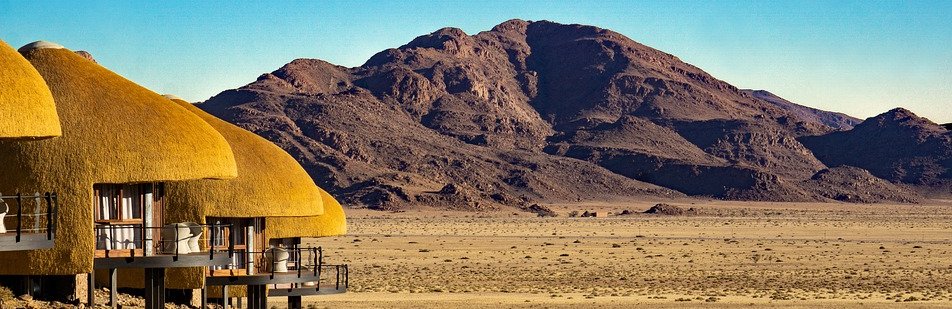
  • Marvel at the Atacama desert. This is one of the driest deserts in the world. It offers a combination of rugged landscapes such as salt flats and ancient cultures. The city of San Pedro de Atacama is located in the middle of the desert, at an altitude of 2,400 metres.
  • Relax and swim in the far north of Chile, in the coastal town of Arica. Inland lies the Lauca National Park. The area around the town of Putre is one of the roughest areas in Chile.
  • Enjoy the delicious Chilean wine. The Chilean wine regions are located around the capital Santiago de Chile. The conditions for wine growing are favourable here: a dry climate and lots of sunlight. Few pesticides are needed, which is why many organic wines in Europe come from Chile.
  • Take beautiful trips along the Chilean volcanic lakes. Halfway between Santiago de Chile and Patagonia lies the lake district of Chile. Here lie the volcanic giants such as the famous Osorno volcano. In clear weather, the snow-capped peaks can be seen. The most beautiful lake tour starts in the city of Puerto Varas on Lago Llanquihue.
  • Go skiing in one of the ski resorts in the Andes such as Portillo, Valle Nevado and Termas de Chillán which are a few hours from the beach resorts.
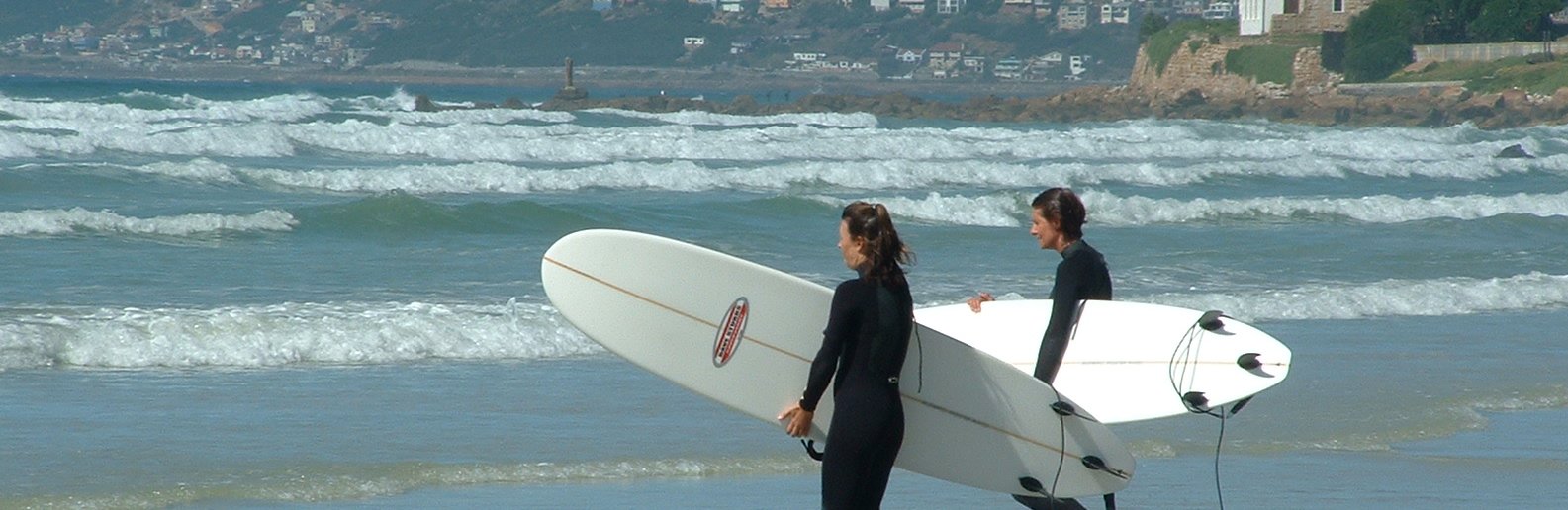
  • Go surfing in South America's best surf spot: Pichilemu.
  • La Serena is the second oldest city in Chile (founded in 1544) and consists mainly of colonial houses. The white beaches that are nearby are especially worth a visit for a day of rest.
  • Easter Island is located in the middle of the Pacific Ocean, 3,800 kilometers from Santiago de Chile. The island is one of the largest cultural attractions in Chile. How the large statues on Easter Island came to be is still a mystery. Read more about Easter Island.
  • Lauca National Park is located in the north of Chile, in the Andes. The park is very large and is dominated by volcanoes. There are also several lakes in the park that lie at the foot of a volcano. The park has some beautiful places and is home to some beautiful animals such as alpacas, Andean goose, Andean condor, llamas and the Chilean flamingo.
  • Check it out: most Chilean cities have different types of markets. Each city has its 'Mercado Municipal'. This is usually a covered market that is open on weekdays. And where mainly food is sold, but also household goods and clothing.
  • Be aware that the distances in Chile are often very long due to the vastness of the country.
  • Chile is safe, but pickpockets are lurking everywhere.

Updates Chile

  • More about Chile, updates and contributions, see the link below.
How does healthcare work in Chile, and what travel insurance, health insurance or expat insurance do you need?

How does healthcare work in Chile, and what travel insurance, health insurance or expat insurance do you need?

How does the healthcare system work in Chile?

What is the quality of healthcare in Chile?

  • Chile is known in Latin America as one of the best countries for medical care. The country has offered a national health care system since the 1950s. The country does well on international rankings and the care is comparable to countries such as Australia and Denmark. Chileans also have one of the highest life expectancies in the world - 78 years for men and 83 years for women (2019)!
  • The quality of care is therefore generally high. Modern hospitals can be found in cities such as Santiago and Valparaíso. In rural areas, care is less well developed.
  • The health care system consists of both public (FONASA) and private healthcare providers (ISAPREs).
  • Many doctors have been trained abroad and therefore also speak English, especially in private clinics.
  • Medicines can only be obtained from pharmacies. Pharmacies are widespread. For the ambulance you can call the emergency number 131.

How does the public healthcare system work in Chile?

  • FONASA is the public healthcare system that provides care to about 80% of the population. It is available to all locals, as well as expats who work legally in Chile.
  • Expats who are not residents or pay taxes cannot participate in the public healthcare system.
  • When you work in Chile, you have to pay a healthcare contribution of about 7% of your income. This is partly used to finance the system.
  • The quality of care is reasonably good and the personal contributions are low, but the waiting times are usually long and sometimes it can be difficult to find certain medical specialists. For this reason, many foreigners (and locals) still opt for the private system.

How does the private healthcare system work in Chile?

  • The private sector is managed by ISAPREs, insurers that offer access to the best hospitals and shorter waiting times.
  • There are 13 ISAPREs. Some are closed and only accessible to people who work for certain companies. Other ISAPREs are open to anyone who can afford it.
  • Each ISAPRE gives you access to private health centres called “Clinicas”. You can choose the type of coverage you want. Which ISAPRE is best for you depends largely on your personal circumstances (single, family, etc.).
  • Private care is more expensive than public care, but of higher quality. Many wealthy Chileans choose insurance with an ISAPRE because of the better facilities, faster appointments and greater freedom of choice. Foreigners living in Chile sometimes choose an ISAPRE, but usually choose international health insurance because it also offers coverage for medical repatriation and care abroad.

How is the general practitioner arranged in Chile?

  • In Chile, people generally go directly to a specialist or hospital for an ailment. In the public sector, there are GPs in the FONASA clinics. In the private sector, you can go to a specialist or general practitioner without a referral.
  • The price of private consultations can be quite high.

How is the dentist arranged in Chile?

  • Public dental care is available through FONASA, but this is only basic care, such as preventive and emergency care, and there are often long waiting times.
  • Private dental care offers better and faster options, but is a lot more expensive.

How is pregnancy care arranged in Chile?

  • It may sound strange to read, but Chile is a popular country for maternity care because of the visa! All babies born in Chile automatically have Chilean nationality, which can be an advantage for many people. If you google a bit, you will find all kinds of birth packages offered by private hospitals!
  • For women living in Chile and giving birth here under local insurance (both FONASA and ISAPRE), a three-night hospital stay is covered for a normal birth and four nights for a caesarean section.
  • Epidurals are common, but other forms of pain relief are more difficult to obtain.
  • Abortion is generally illegal in this staunchly Christian country. Abortion is only legal under three specific circumstances: non-viable pregnancies, rape or a risk to the mother.

How safe or unsafe is a trip or stay in Chile?

What should you pay attention to in terms of safety in Chile?

  • Chile is one of the safest countries in South America, but there are still quite a few risks.
  • Robberies and theft do occur. Avoid walking around alone at night, especially in Santiago, Viña del Mar, Valparaiso and Calama. Fraud is also not uncommon and the thieves are creative. Read up on these types of practices and do not be fooled.
  • Demonstrations occur regularly and can become violent. Local laws prohibit foreigners from participating in political demonstrations. It is best to avoid these situations altogether.
  • The country is relatively progressive towards LGBTQ+ (particularly in Santiago).
  • Natural hazards include forest fires, earthquakes, volcanic eruptions, floods and tsunamis.

What should you look out for in terms of diseases in Chile?

  • Despite the good healthcare in the country, there are certainly health risks. For example, altitude sickness can be a problem in areas above 2500 meters.
  • Mosquito-borne diseases such as dengue and zika also occur. So protect yourself well against mosquito bites.
  • In Santiago, the air quality can be very bad throughout the year. The government sends out warnings for this. So keep a close eye on them.
  • In the big cities, tap water is safe to drink. In remote areas, it is not recommended to drink tap water.

What should you pay attention to when it comes to traffic in Chile?

  • Public transport is a popular option in Chile. There are good long-distance buses with all kinds of luxury facilities. Trains used to be popular, but the options are now relatively limited. In Santiago, the metro is the most efficient transport system. There are also many taxis and some shared taxi services (Colectivos).
  • Chile has good roads in most places, but in remote areas it can sometimes be different. The main roads that connect cities are called “rutas nacionales”. Many of these roads have tolls, make sure you have cash with you for this.
  • Traffic can be a bit chaotic and many drivers don't care much about the rules. For example, they often don't indicate, drive too fast or ignore traffic signs.
  • Driving under the influence of alcohol is severely punished in Chile.

What work and travel insurance policies are suitable for short and long stays in Chile?

  • Is the trip to Chile and your return sufficiently covered? Are you sufficiently covered before, during and after your activities? Which insurance best suits your trip and your activity? Read more about insurances for abroad on JoHoinsurances.org.

What emigration and expat insurance can you take out for Chile if you are going to live there for a while?

  • Although you may be covered for public healthcare when you go to live in Chile, it is still recommended that you also take out international health insurance. Such insurance covers the costs of private healthcare, but also the costs of any medical repatriation to your home country and costs that you incur once you cross the border.
  • Make sure your insurance covers medical evacuation as well as coverage in neighboring countries. Read more about insurances for abroad on Expatinsurances.org.
Packing list for Chile, travel insurance for Chile, and taking your belongings

Packing list for Chile, travel insurance for Chile, and taking your belongings

What to take with you to Chile: spotlighted

To bring and to check:
  • Documents: a passport that is valid for at least 6 months, and copies.
  • Money: a few Chilean pesos is handy, otherwise you can get by with a debit card and/or credit card.
  • Care: good strong sunscreen, aftersun and lip balm.
  • Outdoor and conveniences: sunglasses, cap / hat. Gloves and hat for Patagonia and the Andes.
  • Protection: waterproof bag or drybag and good rain gear (more about rain gear and waterproof clothing).
  • Clothing: layers, layers, layers. Chile is the longest country in the world, so you can certainly expect differences in climate - from dry and hot to humid and cold and all seasons in one day. In the north: dry, hot weather. In Patagonia? Stormy cold with horizontal rain. In Santiago: spring, autumn or all seasons in one day. So shirts, sweater, raincoat, thermal clothing (for the south) and extra socks. Quick-drying clothing can be useful for walks (and to dry off faster after a rain shower).
  • Shoes: good walking shoes rather than fashionable sneakers (more about mountain boots or trekking shoes), slippers/sandals for easy days.
  • Medicines and travel pharmacy: first aid kit with ORS, plasters, painkillers, anti-diarrhea and disinfectant gel.
  • Technique and equipment: world plug with type C & L.
To consider:
  • Reusable water bottle.
  • Quick-drying travel towel
  • Power bank – for long bus rides, hiking trails, or photographing flamingos at 4000 meters altitude.
  • A buff, scarf or bandana
  • Sleeping bag
  • Headlamp or flashlight for hiking.
  • Where you are going and in which season. Be prepared for everything!
  • There is little available on Easter Island and when it is available, it is expensive.

Are there mosquitoes in Chile?

  • Mosquitoes are generally not a big problem in Chile.
  • They are there, and very occasionally people get sick (dengue/West Nile virus), but this is incidental.
  • Mosquitoes are mainly found in: lower, warmer areas in the north and centre (such as around Santiago, the coast and parts of the Atacama) and near stagnant water in the summer months (December – March)
  • On Easter Island you are somewhat more at risk, especially around the cities.
  • Protecting yourself can be wise.

Are there sandflies in Chile?

  • Sand flies and leishmaniasis are not a problem in Chile.

Can you buy DEET, or other mosquito repellents, in Chile?

  • You can find mosquito repellents at drugstores, large supermarkets and sometimes in small shops in tourist areas.
  • The remedies are often not very strong, so if that is your preference (and if you want to save money), it is best to bring some from home.

Can you buy a joint or weed in Chile, or take it with you to Chile?

  • Not really. But not completely illegal either. It depends. In other words: Latin American logic in action.
  • Medicinal cannabis is in principle legal, but only under strict conditions and with a doctor's prescription.
  • Personal use of small amounts in private is tolerated, but it is still technically punishable.
  • Public use, possession in public, buying, selling or growing cannabis without a permit = illegal.
  • So: you are not officially allowed to buy or have it with you, but might spot some Chileans secretly smoking it on the balcony.

Image

Why get specific insurance when going abroad: per activity abroad
Why should you take out specialized travel insurance for a long trip abroad?

Why should you take out specialized travel insurance for a long trip abroad?

What is round the world travel insurance or long-term travel insurance?

  • Round the world travel insurance means that you take out insurance that continues to provide coverage during all your activities abroad, and which is specifically intended for those who travel for long periods of time, such as world travelers, globetrotters, and nomads.

Why should you take out specialized travel insurance for a long trip abroad?

  • Round the world travel insurance provides coverage for a much longer trip than regular travel insurance.
  • World travel insurance is specifically intended for longer trips, whereas regular travel insurance may offer coverage on paper, but in practice handles it differently.
  • World travel insurance is suitable for many types of activities, ranging from high-altitude trekking to more risky sports.
  • World travel insurance continues to provide coverage if you start working during your trip, whether planned or unplanned. If you did not take out insurance before departure that allows you to work, there is no guarantee that you will be able to take out insurance that provides coverage while abroad.
  • Long-term travel insurance continues to provide coverage when your home country's health insurance no longer does.
  • Worldwide travel insurance also covers your medical expenses up to the actual cost, and not just for the standard costs. The costs per medical treatment vary greatly between countries.
  • Worldwide travel insurance can also continue to provide coverage if negative travel advice is issued.

What is important to insure when you are going to travel around the world?

  • That you have insurance that is valid in the countries where you are going to travel and posibly work.
  • That you are adequately insured for the sports and activities you are going to participate in during your full period abroad
  • That you are insured for emergency assistance and early return if something happens to you or your immediate family.
  • That your medical expenses are insured up to the actual cost and not just for the standard costs. The costs per medical treatment vary greatly between countries.
  • That you insure your luggage and take sufficient precautions against theft or damage.
  • That you are well insured against personal liability.
  • That you are well insured in case of accidents.
  • That you only insure yourself for legal assistance if there is an immediate reason to do so, unless coverage is already automatically included in the insurance.
  • That you pay close attention to choosing the right coverage when performing work or voluntary work during your world trip.

Check out more about

Why should you take out specific insurance when you go on a trip or vacation?

Why should you take out specific insurance when you go on a trip or vacation?

What is insurance for traveling abroad?

  • Travel insurance is insurance that provides coverage for risks during a trip or vacation abroad. This mainly concerns loss of or damage to your luggage, medical assistance, or repatriation costs if you need to be transported back home urgently. In some cases, travel insurance coverage also applies on domestic trips.
  • With annual travel insurance or multi-trip travel insurance, you are insured for all your trips throughout the year.
  • With temporary travel insurance or single-trip travel insurance, you take out insurance for each trip for the duration of the trip.
  • Cancellation insurance reimburses (all or part of) the travel sum, cancellation or accommodation costs if you have to cancel or interrupt your vacation.

Why should you take out travel insurance for a short trip, vacation, or long-distance trip?

  • Travel insurance can provide coverage in the event of an accident or emergency while you are abroad.
  • Travel insurance can provide coverage for damage and accidents during the adventurous or sporting activities you plan to do.
  • Travel insurance can continue to provide coverage if your health insurance no longer provides coverage, or if the damage is only reimbursed at cost price of your home country.
  • Travel insurance can provide coverage in the event of damage, loss, or theft of your luggage.
  • Travel insurance can provide coverage if you are held liable for damage you cause to other people or their property.
  • Travel insurance can provide coverage if you have to return home early because something has happened to you or your immediate family.

What is important to insure when you are going to travel abroad?

  • That you have insurance that is valid in the country or countries that you are going to visit.
  • That you are adequately insured for the sports and activities you are going to participate in during your period abroad.
  • That you are insured for emergency assistance and early return if something happens to you or your immediate family.
  • That your medical expenses are insured up to the actual cost and not just for the standard costs. The costs per medical treatment vary greatly between countries.
  • That you insure your luggage and take sufficient precautions against theft or damage.
  • That you are well insured against personal liability.
  • That you are well insured in case of accidents.
  • That you only insure yourself for legal assistance if there is an immediate reason to do so, unless coverage is already automatically included in the insurance.
  • That you pay close attention to choosing the right coverage when performing work alongside your travels.

Check out more about international insurances

Why should you take out specialized travel insurance for working abroad?

Why should you take out specialized travel insurance for working abroad?

Why should you take out specialized travel insurance for paid work, voluntary work or an internship abroad?

  • There may be several reasons why you need separate insurance when working abroad.
  • During work, internships, or volunteer work abroad where you receive financial compensation (or, for example, food or housing), your national health insurance coverage may expire. You will then need special insurance to remain insured for illness and accidents.
  • During specific work abroad, additional requirements may apply if your work involves additional risks. Only specific insurance policies offer coverage during this type of work.
  • During your work, the risk of accidents is sometimes greater, for example because you are doing work with which you have little experience or because of the nature of the work.
  • During your work, local employers generally offer no or limited insurance that provides insufficient coverage.

What is important to insure when you are going to work abroad?

  • That you have insurance that is valid in the country or countries where you are going to travel and work.
  • That you are adequately insured for the sports and activities you are going to participate in during your period abroad
  • That you are insured for emergency assistance and early return if something happens to you or your immediate family.
  • That your medical expenses are insured up to the actual cost and not just for the standard costs. The costs per medical treatment vary greatly between countries.
  • That you insure your luggage and take sufficient precautions against theft or damage.
  • That you are well insured against personal liability.
  • That you are well insured in case of accidents.
  • That you only insure yourself for legal assistance if there is an immediate reason to do so, unless coverage is already automatically included in the insurance.
  • That you pay close attention to choosing the right coverage when performing work.

Check out more about international insurances

Why should you take out specialized travel insurance for volunteering abroad?

Why should you take out specialized travel insurance for volunteering abroad?

What is insurance for volunteering abroad?

  • Insuring volunteer work abroad means taking out insurance that continues to provide coverage while you are working as a volunteer abroad

Why should you take out specialized travel insurance for voluntary work abroad?

  • There may be several reasons why you need separate insurance when volunteering abroad.
  • During specific activities abroad, additional requirements may apply if your work involves extra risks. Only specific insurance policies offer coverage during these activities.
  • The risk of accidents is sometimes higher during your work, for example because you are doing work you have little experience with or because of the nature of the work.
  • Local projects or employers generally offer no or limited insurance that provides insufficient coverage during your work.
  • When volunteering abroad and receiving minor financial compensation (or, for example, food or housing), your home country's health insurance coverage will potentially lapse. You will then need special insurance to remain insured for illness and accidents.
  • Regular travel insurance policies generally provide coverage for trips of a limited number of days. If your trip or stay abroad exceeds the maximum number of days, this generally means that for the entire travel period, you will not be covered.
  • Regular travel insurance policies generally only provide coverage for recreational travel without voluntary work activities. If you engage in activities other than recreational activities (such as volunteer work), this generally means that for the entire travel period, you will not be covered.

What is important to insure when you are going to work as a volunteer abroad?

  • That you have insurance that is valid in the country or countries where you are going to travel and volunteer.
  • That you are adequately insured for the sports and activities you are going to participate in during your period abroad
  • That you are insured for emergency assistance and early return if something happens to you or your immediate family.
  • That your medical expenses are insured up to the actual cost and not just for the standard costs. The costs per medical treatment vary greatly between countries.
  • That you insure your luggage and take sufficient precautions against theft or damage.
  • That you are well insured against personal liability.
  • That you are well insured in case of accidents.
  • That you only insure yourself for legal assistance if there is an immediate reason to do so, unless coverage is already automatically included in the insurance.
  • That when performing work in healthcare, with wild animals, and with dangerous (agricultural) machinery, you take care to choose the right coverage.

Check out more about international insurances

Why should you take out specialized travel insurance for an internship abroad?

Why should you take out specialized travel insurance for an internship abroad?

What is insurance for an internship abroad?

  • Insuring an internship abroad means taking out insurance that continues to provide coverage during your internship abroad
  • Insurance for internships abroad are also referred to as internship insurance. This internship insurance is specifically for when you go abroad for a long period of time to work as an intern, take courses, or conduct research abroad.

Why should you take out specialized travel insurance for an internship abroad?

  • There may be several reasons why you need separate insurance for an internship abroad.
  • During internship activities abroad, additional requirements may apply as soon as you start performing work that involves additional risks. Only specific insurance policies offer coverage during these activities.
  • During your internship, the risk of accidents is sometimes greater, for example because you are doing work with which you have little experience or because of the nature of the work.
  • During your internship, local employers generally do not offer insurance, or offer limited insurance that does not provide sufficient coverage.
  • During an internship abroad where you receive financial compensation (or, for example, food or accommodation), your home country's health insurance coverage will potentially lapse. You will then need special insurance to remain insured for illness and accidents.
  • Regular travel insurance policies generally provide coverage for trips of a limited number of days. If your trip or stay abroad exceeds the maximum number of days, this generally means that for the entire travel period, you will not be covered.
  • Regular travel insurance policies generally only provide coverage for recreational trips without work activities.

What is important to insure when you are going to be an intern abroad?

  • That you have insurance that is valid in the area where you will be traveling and doing your internship.
  • That you are adequately insured for the sports and activities you will be participating in.
  • That you are insured for emergency assistance and early return in case something happens to you or your immediate family.
  • That your medical expenses are insured up to the actual cost (what it actually costs), and not just for the standard costs. The costs per medical treatment vary greatly between countries.
  • That you insure your luggage and take sufficient precautions against theft or damage.
  • That you are well insured against personal liability and, preferably, also for liability during your internship.
  • That you are well insured in case of accidents.
  • That you insure yourself for legal assistance if there is an immediate reason to do so, unless the coverage is already automatically included in the insurance.
  • Make sure you choose the right coverage for internship work in healthcare, with wild animals, or with dangerous machinery!

Check out more about international insurances

Why should you take out specialized travel insurance for studying abroad?

Why should you take out specialized travel insurance for studying abroad?

What is insurance for studying abroad?

  • Insurance for studying abroad means that you take out insurance that continues to provide coverage during your studies, your education, and your related activities abroad.
  • Insurance for studying abroad is also referred to as study insurance. This study insurance is specifically for when you go abroad for a long period of time to take courses, study, or conduct research abroad.

Why should you take out specialized travel insurance for a study abroad?

  • Study insurance is specifically designed for studying abroad, whereas regular travel insurance policies may offer coverage on paper but handle this situation differently in practice.
  • Study insurance offers coverage for longer stays than regular (vacation) travel insurance.
  • Study insurance is also suitable for many types of activities, ranging from various sports to hiking at high altitudes.
  • Study insurance continues to provide coverage if you start working during your trip, whether planned or unplanned. If you have not taken out insurance before departure that allows you to work, there is no guarantee that you will be able to take out insurance abroad that provides coverage.
  • Study insurance continues to provide coverage if your own country's health insurance no longer provides coverage.
  • Student insurance also covers your healthcare costs above the rates in your own country; with regular insurance, you have to pay the extra costs yourself.
  • Student insurance can also continue to provide coverage if (study) visa issuers impose additional requirements on how you insure yourself, for example if you are going to the US and applying for a J-1 visa.
  • Student insurance continues to provide coverage if you are staying abroad for a longer period of time and want to visit your own country in between.

What is important to insure when you are going to study abroad?

  • That you have insurance that is valid in the country or countries where you are going to travel and work.
  • That you are adequately insured for the sports and activities you are going to participate in during your period abroad
  • That you are insured for emergency assistance and early return if something happens to you or your immediate family.
  • That your medical expenses are insured up to the actual cost and not just for the standard costs. The costs per medical treatment vary greatly between countries.
  • That you insure your luggage and take sufficient precautions against theft or damage.
  • That you are well insured against personal liability.
  • That you are well insured in case of accidents.
  • That you only insure yourself for legal assistance if there is an immediate reason to do so, unless coverage is already automatically included in the insurance.
  • That you pay close attention to choosing the right coverage when performing work alongside your studies.

Check out more about international insurances

Why should you take out specialized insurance for moving abroad as an emigrant or an expat?

Why should you take out specialized insurance for moving abroad as an emigrant or an expat?

What is an emigration insurance and what is an expat insurance?

  • Emigration insurance is an insurance that continues to provide coverage if you move abroad permanently or for an indefinite period of time.
  • Emigration insurance is not only intended for emigrants, but for anyone who leaves their home country for an extended period of time and does not intend to return in the foreseeable future.
  • Expat insurance is insurance that continues to provide coverage if you go to work abroad for a local or international employer for an extended period of time.
  • Expat insurance is not only intended for expats, but for anyone who has a more permanent job abroad.

Why should you take out specialized insurance for emigration or working as an expat abroad?

  • Emigration or expat insurance not only provides coverage for acute assistance in the event of illness or accident abroad, such as travel insurance, but can also provide coverage for existing conditions and ailments or non-urgent care.
  • Emigration or expat insurance does not require you to maintain valid health insurance in your home country.
  • Emigration or expat insurance provides coverage for preventive care or costs related to pregnancy and childbirth.
  • Emigration or expat insurance also provides coverage for long-term treatments and chronic conditions without you having to return to your home country.
  • Emigration or expat insurance often has no restrictions on the duration of the insurance, unlike travel insurance.
  • Emigration or expat insurance usually maintains coverage in cases such as negative travel advice or acts of war.
  • Emigration or expat insurance offers various solutions in the areas of disability, home and household insurance, goods transport, and liability.

What is important to insure when you are going to move abroad?

  • That you have insurance that is valid in the country or countries where you are going to live and/or work.
  • That you are adequately insured for the sports and activities you are going to participate in during your period abroad
  • That you are insured for emergency assistance and early return if something happens to you or your immediate family.
  • That your medical expenses are insured up to the actual cost and not just for the standard costs. The costs per medical treatment vary greatly between countries.
  • That you are well insured against personal liability.
  • That you are well insured in case of accidents.
  • That you pay close attention to choosing the right coverage when performing work with additional health risks

Check out more about international insurances

Why should you take out travel insurance and why through the JoHo Foundation?

Why should you take out travel insurance and why through the JoHo Foundation?

Why Insurances through JoHo

  • Specialized: in emigration, work, internships, study and travel abroad.

  • Service: JoHo offers multiple travel insurances by multiple companies. Thanks to JoHo's extensive experience, it can offer support in case of problems with insurers, as well as advice and fast and personal handling.

  • Safe: JoHo is recognized as a trustworthy intermediary for insurances.

  • Social: by purchasing an insurance through JoHo you provide a talented student in The Philippines with health insurance

Why Should You Take Out A Travel Insurance?

  • The chance of getting injured or ill is generally higher than when you would have stayed at home. The medical care you will need can be very expensive, even more so if you are treated in a private clinic.

  • If you have to fly back because of family circumstances, the flights might be more expensive than your original flight because you have to fly on short notice.

  • You might have to deal with the damage, loss or theft of your luggage.

  • In case of emergency it can be difficult to figure out what to do. A good travel insurance will have an assistance team on standby for you 24/7 and will be able to tell you what steps to take.

Why Should You Specifically Take Out A Travel Insurance For A Long Trip Abroad?

  • Often regular travel or health insurances only cover trips for a maximum number of days (for example 60, 90 or 180 days).

  • Depending on your home country, your health insurance might not offer any coverage for treatment abroad.

  • During a long trip you might consider specific activities, like paid work or volunteering. Regular travel insurances often don’t cover these kind of activities. The same goes for adventurous/ hazardous sports like skydiving, scuba-diving and bungee jumping.

More on why to use JoHo

  • JoHo is one of the few organizations where you can directly purchase a comprehensive range of foreign insurances from a variety of insurers. As with our other products and services, we believe that you should be able to choose between the best, the most cost effective and the most specialized insurance.

  • JoHo offers various possibilities from combining insurances to assisting in transferring from one insurer to another.

  • When you purchase an insurance policy through JoHo, you will not pay more than if you had purchased it directly from the insurer. Sometimes (through special collective agreements) you will even pay less.

  • JoHo offers support with problems that may arise with the insurer. Sometimes disagreement with claims, cancellation notice or insurance premiums can occur. In this situation it helps if you have the assistance of an organization who has an established relationship with the insurer.


Read more about JoHo and JoHo Insurances

Image

Safety, insurances and packing list for Chile

How does healthcare work in Chile, and what travel insurance, health insurance or expat insurance do you need?

How does healthcare work in Chile, and what travel insurance, health insurance or expat insurance do you need?

How does the healthcare system work in Chile?

What is the quality of healthcare in Chile?

  • Chile is known in Latin America as one of the best countries for medical care. The country has offered a national health care system since the 1950s. The country does well on international rankings and the care is comparable to countries such as Australia and Denmark. Chileans also have one of the highest life expectancies in the world - 78 years for men and 83 years for women (2019)!
  • The quality of care is therefore generally high. Modern hospitals can be found in cities such as Santiago and Valparaíso. In rural areas, care is less well developed.
  • The health care system consists of both public (FONASA) and private healthcare providers (ISAPREs).
  • Many doctors have been trained abroad and therefore also speak English, especially in private clinics.
  • Medicines can only be obtained from pharmacies. Pharmacies are widespread. For the ambulance you can call the emergency number 131.

How does the public healthcare system work in Chile?

  • FONASA is the public healthcare system that provides care to about 80% of the population. It is available to all locals, as well as expats who work legally in Chile.
  • Expats who are not residents or pay taxes cannot participate in the public healthcare system.
  • When you work in Chile, you have to pay a healthcare contribution of about 7% of your income. This is partly used to finance the system.
  • The quality of care is reasonably good and the personal contributions are low, but the waiting times are usually long and sometimes it can be difficult to find certain medical specialists. For this reason, many foreigners (and locals) still opt for the private system.

How does the private healthcare system work in Chile?

  • The private sector is managed by ISAPREs, insurers that offer access to the best hospitals and shorter waiting times.
  • There are 13 ISAPREs. Some are closed and only accessible to people who work for certain companies. Other ISAPREs are open to anyone who can afford it.
  • Each ISAPRE gives you access to private health centres called “Clinicas”. You can choose the type of coverage you want. Which ISAPRE is best for you depends largely on your personal circumstances (single, family, etc.).
  • Private care is more expensive than public care, but of higher quality. Many wealthy Chileans choose insurance with an ISAPRE because of the better facilities, faster appointments and greater freedom of choice. Foreigners living in Chile sometimes choose an ISAPRE, but usually choose international health insurance because it also offers coverage for medical repatriation and care abroad.

How is the general practitioner arranged in Chile?

  • In Chile, people generally go directly to a specialist or hospital for an ailment. In the public sector, there are GPs in the FONASA clinics. In the private sector, you can go to a specialist or general practitioner without a referral.
  • The price of private consultations can be quite high.

How is the dentist arranged in Chile?

  • Public dental care is available through FONASA, but this is only basic care, such as preventive and emergency care, and there are often long waiting times.
  • Private dental care offers better and faster options, but is a lot more expensive.

How is pregnancy care arranged in Chile?

  • It may sound strange to read, but Chile is a popular country for maternity care because of the visa! All babies born in Chile automatically have Chilean nationality, which can be an advantage for many people. If you google a bit, you will find all kinds of birth packages offered by private hospitals!
  • For women living in Chile and giving birth here under local insurance (both FONASA and ISAPRE), a three-night hospital stay is covered for a normal birth and four nights for a caesarean section.
  • Epidurals are common, but other forms of pain relief are more difficult to obtain.
  • Abortion is generally illegal in this staunchly Christian country. Abortion is only legal under three specific circumstances: non-viable pregnancies, rape or a risk to the mother.

How safe or unsafe is a trip or stay in Chile?

What should you pay attention to in terms of safety in Chile?

  • Chile is one of the safest countries in South America, but there are still quite a few risks.
  • Robberies and theft do occur. Avoid walking around alone at night, especially in Santiago, Viña del Mar, Valparaiso and Calama. Fraud is also not uncommon and the thieves are creative. Read up on these types of practices and do not be fooled.
  • Demonstrations occur regularly and can become violent. Local laws prohibit foreigners from participating in political demonstrations. It is best to avoid these situations altogether.
  • The country is relatively progressive towards LGBTQ+ (particularly in Santiago).
  • Natural hazards include forest fires, earthquakes, volcanic eruptions, floods and tsunamis.

What should you look out for in terms of diseases in Chile?

  • Despite the good healthcare in the country, there are certainly health risks. For example, altitude sickness can be a problem in areas above 2500 meters.
  • Mosquito-borne diseases such as dengue and zika also occur. So protect yourself well against mosquito bites.
  • In Santiago, the air quality can be very bad throughout the year. The government sends out warnings for this. So keep a close eye on them.
  • In the big cities, tap water is safe to drink. In remote areas, it is not recommended to drink tap water.

What should you pay attention to when it comes to traffic in Chile?

  • Public transport is a popular option in Chile. There are good long-distance buses with all kinds of luxury facilities. Trains used to be popular, but the options are now relatively limited. In Santiago, the metro is the most efficient transport system. There are also many taxis and some shared taxi services (Colectivos).
  • Chile has good roads in most places, but in remote areas it can sometimes be different. The main roads that connect cities are called “rutas nacionales”. Many of these roads have tolls, make sure you have cash with you for this.
  • Traffic can be a bit chaotic and many drivers don't care much about the rules. For example, they often don't indicate, drive too fast or ignore traffic signs.
  • Driving under the influence of alcohol is severely punished in Chile.

What work and travel insurance policies are suitable for short and long stays in Chile?

  • Is the trip to Chile and your return sufficiently covered? Are you sufficiently covered before, during and after your activities? Which insurance best suits your trip and your activity? Read more about insurances for abroad on JoHoinsurances.org.

What emigration and expat insurance can you take out for Chile if you are going to live there for a while?

  • Although you may be covered for public healthcare when you go to live in Chile, it is still recommended that you also take out international health insurance. Such insurance covers the costs of private healthcare, but also the costs of any medical repatriation to your home country and costs that you incur once you cross the border.
  • Make sure your insurance covers medical evacuation as well as coverage in neighboring countries. Read more about insurances for abroad on Expatinsurances.org.
Packing list for Chile, travel insurance for Chile, and taking your belongings

Packing list for Chile, travel insurance for Chile, and taking your belongings

What to take with you to Chile: spotlighted

To bring and to check:
  • Documents: a passport that is valid for at least 6 months, and copies.
  • Money: a few Chilean pesos is handy, otherwise you can get by with a debit card and/or credit card.
  • Care: good strong sunscreen, aftersun and lip balm.
  • Outdoor and conveniences: sunglasses, cap / hat. Gloves and hat for Patagonia and the Andes.
  • Protection: waterproof bag or drybag and good rain gear (more about rain gear and waterproof clothing).
  • Clothing: layers, layers, layers. Chile is the longest country in the world, so you can certainly expect differences in climate - from dry and hot to humid and cold and all seasons in one day. In the north: dry, hot weather. In Patagonia? Stormy cold with horizontal rain. In Santiago: spring, autumn or all seasons in one day. So shirts, sweater, raincoat, thermal clothing (for the south) and extra socks. Quick-drying clothing can be useful for walks (and to dry off faster after a rain shower).
  • Shoes: good walking shoes rather than fashionable sneakers (more about mountain boots or trekking shoes), slippers/sandals for easy days.
  • Medicines and travel pharmacy: first aid kit with ORS, plasters, painkillers, anti-diarrhea and disinfectant gel.
  • Technique and equipment: world plug with type C & L.
To consider:
  • Reusable water bottle.
  • Quick-drying travel towel
  • Power bank – for long bus rides, hiking trails, or photographing flamingos at 4000 meters altitude.
  • A buff, scarf or bandana
  • Sleeping bag
  • Headlamp or flashlight for hiking.
  • Where you are going and in which season. Be prepared for everything!
  • There is little available on Easter Island and when it is available, it is expensive.

Are there mosquitoes in Chile?

  • Mosquitoes are generally not a big problem in Chile.
  • They are there, and very occasionally people get sick (dengue/West Nile virus), but this is incidental.
  • Mosquitoes are mainly found in: lower, warmer areas in the north and centre (such as around Santiago, the coast and parts of the Atacama) and near stagnant water in the summer months (December – March)
  • On Easter Island you are somewhat more at risk, especially around the cities.
  • Protecting yourself can be wise.

Are there sandflies in Chile?

  • Sand flies and leishmaniasis are not a problem in Chile.

Can you buy DEET, or other mosquito repellents, in Chile?

  • You can find mosquito repellents at drugstores, large supermarkets and sometimes in small shops in tourist areas.
  • The remedies are often not very strong, so if that is your preference (and if you want to save money), it is best to bring some from home.

Can you buy a joint or weed in Chile, or take it with you to Chile?

  • Not really. But not completely illegal either. It depends. In other words: Latin American logic in action.
  • Medicinal cannabis is in principle legal, but only under strict conditions and with a doctor's prescription.
  • Personal use of small amounts in private is tolerated, but it is still technically punishable.
  • Public use, possession in public, buying, selling or growing cannabis without a permit = illegal.
  • So: you are not officially allowed to buy or have it with you, but might spot some Chileans secretly smoking it on the balcony.

Image ACTIVITIES

Check courses, jobs, projects, recipes, suggestions and tips related to: 'Chile'

CHECK MORE ACTIVITIES

Make a selection, to find more tips than you see below

Image Going for winter sports: what is it, why do it, and where is the best place to go?
Going for winter sports abroad What are winter sports? Why should you go on winter sports abroad? What are the risks when going for winter sports abroad? Where is the...
Image Werken in de mijnbouw van Chili bij een bedrijf dat bezig is met het delven van grondstoffen
Werken in de mijnbouw van Chili bij een bedrijf dat bezig is met het delven van grondstoffen, waaronder koper.
Image Leer Spaans met een taalcursus in Latijns-Amerika! Voor één week tot een heel jaar
Leer Spaans met een taalcursus in Latijns-Amerika! Voor één week tot een heel jaar.
Image Independent au pair: find your own host family and work as an au pair abroad.
Use this platform to find your own host family and work as an au pair abroad. Opportunities around the world, particularly host families in the United Kingdom, Spain,...
Image Ga druiven plukken in Chili of help bij de oogst van biologische olijven
Ga druiven plukken op een biologische boerderij in Chili of help bij de oogst van biologische olijven. Met name tussen februari en mei zijn extra handen nodig.
Image Werk als au pair in Chili en leer de cultuur en taal kennen door bij een gastgezin te wonen
Werk als au pair en leer de cultuur en taal van het land kennen door bij een Chileens gastgezin te wonen Je past op de kinderen van je gastgezin in Chili, verzorgt ze en...
Image Work on a farm in South America and advocate for sustainable, organic farming practices
Work on a farm or finca in South America and advocate for sustainable, organic farming practices. Live, experience and work temporarily on an organic farm, self-...
Image Stage in Chili op het gebied van engineering, geologie of in de bouw
Loop stage in de industrie sector van Chili bijvoorbeeld op het gebied van engineering, geologie of in de bouw
Image Committed English teacher in the Chilean region
Teach English independently to Chilean youth from 10 to 18 years old on public schools; contribute to a significant improvement of their English. Improve and stimulate...
Image Teaching English abroad: what is it, why should you do it and where should you go?
What is teaching English abroad? On which schools can you teach English abroad as a foreigner or as a (non) native speaker? What do you get out of teaching or helping at...
Activities abroad: home bundle

Main content and contributions for activities abroad

,,,accommodations, adventure activities, courses, internships, jobs and volunteer projects

...to help another, travel with care, work together , learn to share and inspire with your experience


Activities abroad: home page

Activities abroad: home page

From language courses to gap year abroad, from work experience to volunteering abroad, from paid work to internship abroad, from mountaineering to diving and from backpacking to travel around the world

    What social activities can you do abroad?

    • Opportunities are found in the areas of helping, learning or studying. You can get involved to volunteer in a social project at a school in Africa, Asia or Latin America. You can get involved in nature, in a project with animals or cleaning the sea or beaches. Those who want to learn more can choose for example a language course in Latin America, Spain or South Africa.

    What work related activities can you do abroad?

    • If you want to gain work experience, and/or also earn money, go and work abroad. You can combine backpacking in Australia with temporary work. You can work on campsites in Europe or bush camps in Africa. You can pretty much go all over the world to work in the hospitality industry, hotels and hostels, in the healthcare sector or for example at a diving school.

    What sports activities to do abroad?

    • Have you ever thought of mountain biking, rafting (going down a wild river on a raft or rubber dinghy, climbing or canoeing), survival (which involves building rafts, climbing or canoeing), abseiling (descending a rock face while secured to ropes), zip-lining (whizzing down a cable), canyoning (starting at the top of a river and then climbing, swimming, diving down the bed) or caving (scrambling, wriggling and crawling through caves and crevices)?
    • Maybe you feel more comfortable on a bodyboard (on a half-wave surfboard, you surf the high waves lying down-with flippers), on a hang glider or while paragliding (with a parachute you float down a mountain or dune), hydrospeeding (on a bodyboard with flippers and a wetsuit on you go down a wild river via rapids) or Tiefschneeskiing (racing down through powder snow)?

    Check the pages below for more activities and inspiration and where to go and how to arrange it

      Activities abroad: for gap year, sports, travel and outdoor abroad

      Activities abroad: for gap year, sports, travel and outdoor abroad

      Bundled content for gap year, sports, travel and outdoor abroad

      Access: 
      Public

      Image STORIES

      Check blogs, experiences and information related to: 'Chile'

      CHECK MORE STORIES

      Make a selection, to find more blogs and contributions than you see below

      Image Packing list for Chile, travel insurance for Chile, and taking your belongings
      To pack and bring to Chile What to take with you to Chile: spotlighted Are there mosquitoes in Chile? Are there sandflies in Chile? Can you buy DEET, or other mosquito...
      Image What should you do during a volcano eruption, and how dangerous is climbing an active volcano?
      What should you do if you are caught in a volcanic eruption, and how dangerous are volcanoes abroad? There are major differences between one volcanic eruption and...
      Image Goats abroad and while traveling: are they dangerous, where do you encounter them, where can you see them?
      What are goats? Where can you encounter wild goats in the wild when travelling and abroad? Are (wild) goats dangerous? What to do if you encounter a goat in the wild?...
      Image Easter Island: Updates & Travel
      Easter Island updates and travel in Easter Island
      Image Chile: Updates & Travel
      Travel in Chile? Updates Chile Back to top Travel in Chile? This exceptionally long country, enclosed between the Andes and the Pacific Ocean, is approximately 4,300...
      Countries & Destinations: home bundle

      Bundled content, suggestions, stories and tips about the countries and destinations in the world

      ...to help another, travel with care, work together , learn to share and inspire with your experience

      Africa: country bundles

      Africa: country bundles

      Access: 
      Public
      Asia: country bundles

      Asia: country bundles

      Country bundles of Asian countries

      Access: 
      Public
      Europe: country bundles

      Europe: country bundles

      Country bundles of European countries

      Access: 
      Public
      The Caribbean: country bundles

      Image ORGANIZATIONS

      Check sectors and organizations related to: 'Chile'

      CHECK MORE ORGANIZATIONS

      Make a selection, to find more or other organizations than you see below

      Image Antofagasta Minerals
      Antofagasta Minerals is Chile's largest private mining group and one of the world's ten largest copper producers. Interested in applying? You have a degree in...
      Image Hostal Sunset
      This organization offers accommodations and also has a restaurant. You can also book archaeological and diving excursions, rent a car or bicycle, and buy tickets for a...
      Image StudyTravel
      StudyTravel consists of a permanent team of enthusiastic employees, all with experience abroad. You can go there to learn various languages such as Italian, German,...
      Image Linguaschools
      LinguaSchools is a partnership between 13 small-scale schools where you can learn Spanish, in Spain and various Latin American countries. You can arrange courses and...
      Image EODP Mineduc - Programa Inglés Abre Puertas
      English Opens Doors Program (EODP Mineduc) is an English teaching volunteer program supported by the Chilean Ministry of Education. Volunteer positions are coordinated...
      Image Chili Kiwi Hostel *
      Chili Kiwi Hostel offers accommodation in Pucon, Chile.
      Image Chile Inside
      Chile Inside is a mediation organization that helps people find work, volunteer work or internships in Chile.
      Image Voluntarios de la Esperanza
      Voluntarios de la Esperanza (VE Global) offers volunteer work in one of the 12 shelters, community centers and schools in the poorest neighborhoods of Santiago. As a...
      Image Lingua Plus
      Lingua Plus offers Spanish lessons in the Chilean city of Pucón.
      Image Aires Buenos Hostel & Permacultura in Chili
      Aires Buenos hostel in Valdivia is een klein hostel met een informele sfeer waar je kennis maakt met alle facetten die horen bij het runnen van een hostel.Verder...
      Organizations & Services: home bundle

      Bundled content, suggestions, stories and tips about organizations and their products and services

      ...to help another, travel with care, work together, learn to share and inspire with your experience

      Organizations: home page
      Organizations: for administrative, tax and legal work and consulting
      Organizations: for agriculture, grape picking, farming and vineyards
      Organizations: for animal protection, animal care and working with wildlife abroad
      Organizations: for au pairs, youth work and child care abroad
      Organizations: for bush camping and working at a campsite abroad
      Organizations: for catering, hospitality and entertainment abroad
      Organizations: for civil society and social work abroad
      Organizations: for corporate business services
      Organizations: for customer services abroad and help desks
      Organizations: for diving, snorkeling and water sports abroad
      Organizations: for education and schools abroad
      Organizations: for expatriate insurances, travel insurances, and emergency call centers
      Organizations: for gap year activities abroad and sabbaticals
      Organizations: for internship placement abroad
      Organizations: for insurances and finance abroad
      Organizations: for IT, engineering and construction
      Organizations: for language travel and language teaching abroad
      Organizations: for marketing, communication and PR
      Organizations: for mediation in au pairs, childcare and elderly care in the Netherlands
      Organizations: for moving, international relocation and transport abroad
      Organizations: for nature conservation, environmental protection and working in nature abroad
      Organizations: for nonprofit projects, development work and international cooperation
      Organizations: for online work as digital nomad, freelancer, or independent entrepreneur from abroad
      Organizations: for outdoor activities and sports
      Organizations: for providing accommodation and hospitality work in hotels, guesthouses, ecolodges and hostels abroad
      Organizations: for providing healthcare and working in medical care abroad
      Organizations: for psychological assistance and mental health care abroad
      Organizations: for real estate, brokerage abroad and property rental abroad
      Organizations: for research and scientific work abroad
      Organizations: for student support and student associations
      Organizations: for tour guidance and adventure tours abroad
      Organizations: for tourism and organized travel and leisure work abroad
      Organizations: for voluntary work mediation and project placement abroad
      Organizations: for yacht and shipping crew and working on a cruise ship abroad

      Image SUMMARIES

      Check summaries and study assistance related to: 'Chile'

      CHECK MORE SUMMARIES

      Make a selection, to find more, or other, summaries and study assistance than you see below

      Image Research Paper - Reconciliation and Impunity In Chile
      Course: Culture, Violence, Trauma and ReconciliationOctober 2007My research paper consists of an anthropological casestudy situated in Chile, the casestudy referring to...

      Image

      SPOTLIGHT & FAVORITES

      SPOTLIGHT
      Image

      Er is geen toeristenvisum nodig voor een verblijf tot 90 dagen in Ecuador. Als je langer wilt blijven zul je vanuit Nederland een toeristenvisum moeten aanvragen voor een periode van 180 dagen, dit is de langste periode dat je officieel in Ecuador mag verblijven in een jaar. Er zijn mensen die ...

      FAVORITES
      COINED

      COINED is an Argentinean organization with language schools for Spanish lessons in 11 Latin American countries. In addition to Spanish classes, they also offer some volunteer projects, especially in their home base of Córdoba. COINED also mediates in international internships, but you have to...

      Image ALL CONTENT

      Search all related content within the topic: 'Chile'

      ALL CONTENT WITHIN TOPIC

      Select any filter and click on Apply to see results

      Image

      TOPICS : check associated topics and more activities

      Check more: activities in WorldSupporter
      Go abroad!
      Page topic

      Stories, tips and experiences from Chile

      Submenu & Search

      Search only via club, country, goal, study, topic or sector