Travel to Brazil to backpack, study, intern, volunteer, work, or live as a digital nomad, expat or emigrant?

Image

Image

Image  Brazil

Intro

Backpacking or traveling in Brazil?

  • As the largest country in South America, visiting Brazil can be quite overwhelming. There is so much to do! The land of carnival, soccer, beautiful beaches and an awful lot of cultures. 
  • Activity spotting: party in Rio, visit the Amazon, local peoples, the largest swamp in the world, the Iguazu falls, relax on Copacabana beach and go on an animal scavenger hunt. 

Study in Brazil?

  • With some of South America's best universities in Brazil, it is not a wrong country to spend your study time. There is a huge choice of studies, and there is a study system somewhat similar to the Dutch system. 
  • In particular, studies in biology, odontology, medicine, dermatology and veterinary medicine are very well regarded worldwide. 
  • Studies are offered mainly in Portuguese. However, some studies in English are also possible. 

Internship in Brazil?

  • All kinds of internships are possible in Brazil. Brazil has a growing economy, so there are many opportunities. Internships in biology, environmental sciences, social work and development work are particularly popular. In addition, internships in business are also possible. 
  • A word of Portuguese is recommended though and will also help you understand the culture more easily. 

Volunteer in Brazil?

  • There are a huge number of volunteer opportunities in Brazil! By far the most volunteer work is in the field of conservation in the Amazon, such as otters protection or rainforest restoration. Other volunteer opportunities include eco-farms, education, childcare, marine conservation and community development.

Working in Brazil?

  • Because of the growing economy, there are more and more jobs available in Brazil. There is not only a large manufacturing industry, but also a lot of work in software development and call centers. There is a large international community, especially also from the diplomatic and foreign affairs sectors. Furthermore, anything is possible depending on your skills and background. From English teacher to IT engineer, working at a large multinational, or in a small hotel in the hospitality industry. 
  • Especially in cities like Sao Paulo, Rio de Janeiro, Belo Horizonte and Curitiba, you can find jobs as a foreigner. 
  • For most jobs, but especially local jobs, you need to be proficient in Portuguese. 

Working as a digital nomad in Brazil?

  • A popular country for digital nomads. The facilities are good, the country is beautiful, there are a huge number of great places to work, the digital nomad community is large and the costs are still relatively low compared to European countries. 
  • Favorite locations: Florianopolis, Jericoacoara, Rio de Janeiro, Sao Paulo, Belo Horizonte. 

Living in Brazil?

  • A very diverse country, full of different cultures and, in addition to Latino communities, a large expat community. It is a big, beautiful country where there is an awful lot to do, and at the same time the economy is booming. The standard of living is high, the cost is not so, and life is relaxed. 
  • There is, however, quite a bit of crime. So be well aware of where you are going and what the security situation is like there. 
  • Make sure you arrange your health insurance well.
Brazil Country Bundle: suggestions, stories and tips
Brazil Country Bundle: suggestions, stories and tips

Image

Content about Brazil on WorldSupporter

Habits and customs in Brazil

Habits and customs in Brazil

Image

Habits and customs in Brazil

  • Brazilians are famous for their festive Spirit, especially Carnival, a pre-Lenten celebration known for its extravagant parades and costumes, combined with infectious samba music.
  • Brazilians love music - Beyond Samba, Brazil boasts a rich musical landscape with genres like energetic Forró, soulful Bossa Nova, and pulsating Axé.
  • Capoeira is an unique Afro-Brazilian martial art that blends acrobatics, dance, and music, is another famous aspect of Brazilian culture.

What are the best recipes in Brazil?

  • Brazilians eat hot meals twice a day and have many regional dishes.
  • In a restaurant, the portions are often for two people, so it is useful to ask how many people the dishes on the menu are for. It is not necessary to tip in restaurants, this is usually already included in the receipt.
  • A visit to a typical Brazilian barbecue restaurant or “churrascaria” is recommended. Here you usually pay a fixed price for ''as much as you can eat''.
  • Popular in Brazil is the comida por quilo, a self-service buffet.
  • Feijoada is a stew with different types of meat.
  • Many snack bars offer salgados, these are fried snacks.

What are the best drinks in Brazil?

  • Cafezinho (coffee) in Brazil is very strong and is offered in small cups.
  • People drink little tea, but a milkshake with fruit juice is extremely popular (vitaminas).
  • It is recommended not to drink tap water, but to buy it in the supermarket.
  • Well-known beer brands in Brazil include Brahma, Antarctica and Skol. These are comparable to our pilsner.
  • The national spirit is cachaça, made from sugar cane. This drink is the basis of the popular caipirinha, a drink made from cachaça, lots of sugar, lime and crushed ice.
  • Guarana is a soft drink known for its stimulating effect.

What are the notable holidays and festivities in Brazil?

  • Carnival in Rio de Janeiro – The dates of the celebration vary each year, but it always starts on a Friday and ends on a Wednesday. The parades in Brazil are world famous for their samba music, dancers and beautiful costumes. Definitely something to put on your bucket list: Carnival in Rio.
  • Festa de Iemanjà – February 2, The goddess Iemanja belongs to the Candomblé religion in Brazil. In Salvador, people go to the beach dressed in white and throw offerings into the sea for the goddess.
  • Tiradentes – April 21, Tirandentes took responsibility for the protests against the Portuguese for high taxes. He started a call for liberation and is seen as a national hero in Brazil.
  • Boi Bumba – In June, Brazil has an atmospheric folk festival based on local myths and legends. The large puppets, parades, dance and music come from Portuguese, Indian and African influences. Festa Junina – June/July, this is the celebration of the birth of John the Baptist and in the northeast also the end of the rainy season. The festival is often celebrated in a wooden hut with a thatched roof.
  • Oktoberfest – The largest beer festival is of course held in Germany. Did you know that Blumenau in Brazil comes in second place? The city was discovered by the German Hermann Bruno Otto von Blumenau. Inspired by the Oktoberfest at home, it is also celebrated every year in Brazil.
  • Independence Day – On September 7 in 1822, Brazil became an empire and independent from Portugal. On this national holiday, parades take place throughout the country.
  • Fiesta de Nossa Senhora Aparecida – October 12 is the day to honor the holy Black Mary, the patron saint of Brazil.
  • Proclamation of the Republic – November 15 is a national holiday. Brazil became a republic on November 15, 1889, through a coup d'état by a group of military men and republicans.
Expat and emigration interviews: the story of Jan (Belgium) who worked for Foreign Affairs and reopened a consulate in Brazil

Expat and emigration interviews: the story of Jan (Belgium) who worked for Foreign Affairs and reopened a consulate in Brazil

Meet Jan, he worked for Foreign Affairs and reopened a consulate in Brazil. Read more about his experiences below.

Who is Jan?

  • Jan worked for the Belgian Ministry of Foreign Affairs and reopened a consulate in Brazil.
  • Read more about his experiences below through the interview below.

What do people need to know about you to understand your story? 

  • I was sent out by my employer, Foreign Affairs to reopen a Consulate in Brazik.
  • I did not really prepare.

What is your life like, what kind of work or activities make you feel you are really “at home” in Brazil?

  • Basic knowledge of the language is an indispensable requirement to feel at home in Brazil, as few people speak another language (e.g. English).

How does your daily routine differ from that in your home country?

  • Brazilians take their time for everything. They often arrive late for appointments or don't show up at all. You can never get straight to the point but first answer questions about family and health. Everything is very complicated and agonizingly slow with a leaden bureaucracy.

How were your cultural and social interactions in Brazil?

What was your first encounter with a local?

  • Brazilians are very warm and friendly people, however, one should not take them too seriously. They are spontaneous and there is curiosity about where you are from, what you are doing in the country, etc.

Do you have any tips for meeting people?

  • Very easy. Learn a few words of Portuguese and you will be warmly welcomed everywhere.

What is the best or most inspiring thing about your emigration?

  • Let go of your European institution of rules, agreements and order or you'll be annoyed to death.

What is the funniest or most painful misunderstanding you have experienced because of language or cultural differences?

  • Everything continually goes haywire. There is always a signature or a stamp or something missing. Once I was not allowed on a tourist bus with my own daughter (possible child abduction), when I showed up with a self-signed letter that it was ok, I was allowed on the bus (surreal).

Have you adopted local customs?  

  • Let go of European social rules.

How do locals react to you living and working here now?

  • Brazilians are smooth and warm in their interactions and generally admire Europe.

Are there any customs in social interaction that you found difficult to understand or had to get used to?

  • Failure to keep appointments.

How does friendship here differ from how it is perceived in your home country?

  • Brazilians seem superficial, but if you can accept them as they are, you have friends for life.

What are the challenges in Brazil?

Have there been times when you doubted your choice/emigration, or what disappointed you?

  • Bureaucracy, bureaucracy, bureaucracy.

What would you do differently next time and what would you like to give others with the same idea?

  • Mentally prepare for everything to take an awful long time and don't take people too seriously.

How do you deal with homesickness/loneliness?/What do you miss most?

  • Brazilians are bon vivants, loneliness hardly exists in this country.

Are there things you appreciate more about your homeland now that you are here?

  • The sense of organization, the seriousness with which things are handled.

How are the practical rules & what are the issues in Brazil?

How do you deal with the bureaucracy in your new country?

  • Suffering. Problems with administration can often be solved if you happen to know the right people. Try to make friends. Everyone has an acquaintance or family member who can help you through a more informal avenue to help solve your problem. Brazil is the most bureaucratic country I have been.Economists talk about the     ‘Brazilian cost’ by which is meant all the additional costs you have to charge to get something done (clearance fees, taxes, administrative costs, bribes, etc.) An additional disadvantage is that everything is done in Portuguese. Few people speak English.

How did you find a suitable place to live? 

  • Through a real estate agent.

Was it difficult? What are the biggest cost differences between this country and your home country?

  • Owner and tenant both have to pay a comission fee to the real estate agent. This amount can be high. The tenant is obliged, when leaving the rental property to have it repainted at his expense, at least as far as the inside is concerned.

What did you learn about insurance, taxes and other financial obligations abroad?

  • Without your registration with the CPF (tax authorities) you won't get anywhere.

Have you used local health care (general practitioner, specialist, dentist, etc.) and what stands out to you?

  • If you are well insured you can use an excellent private health service).

What is similar or totally different from Belgium health care?

  • Two tracks : excellent care for those who have the money , third-rate care for those who rely on the public health service.

What is useful for others to consider?

  • Do not rent a house, but an apartment. A home is too dangerous because of numerous break-ins and robberies. Apartments offer better security. Do not wear jewelry or show signs of wealth. In addition to your actual wallet, keep a wallet with a small amount of money in your pocket and give it when you become the victim of a robbery. Do not try to be a hero, because a human life is not worth much in Brazil.
  • The police are very quick to reach for their weapon. Never argue with them if you notice they are agitated, wait until they have calmed down. I was once threatened with a gun by four policemen, until they realised I was a foreigner and had nothing to do with a theft I had just committed....
  • If you have the means, engage an errand boy to take care of all kinds of business for you, (bank, mail, electricity bills, condominium fees pay etc, because everywhere you bump into endless lines of people waiting)

What kind of business have you established?

  • Consulate General.

What is the bureaucracy like in the country you are in?

  • Belgian bureaucracy times 10.

What local traditions or rituals have inspired or touched you?

  • Carnival.

How do you balance working, relaxing and enjoying your new surroundings?

  • In Rio de Janeiro, the weekend starts on Friday afternoon. Laze on the beach or walk in the “ Floresta de Tijuca”

How is it to communicate in Brazil?

Have you learned the local language and if so, how?

  • Yes. First some lessons with assimil and then just being immersed in a Brazilian language bath. A must in this country.

How do you stay in touch with home?

  • Email.

What are some communication problems you have encountered?

  • Without a basic knowledge of the language, you won't get anywhere.

What have you learned?

  • That we Europeans often take life far too seriously. 
  • As a diplomat, indeed, you have to love travelling, adventure and change to last in the diplomatic profession. You pay a high price to your social life.
  • Just when you feel like home, it's time to leave again and leave behind the friends you've made. An interesting career, but I still wouldn't recommend it to everyone.
Brazil: Updates & Travel

Brazil: Updates & Travel

Travel in Brazil?

  • Brazil is the largest country in South America and is known for samba, soccer and the world-famous carnival. Its people are proud of their rich history and diverse cultural backgrounds. It has over 7,000 km of tropical beaches, a hodgepodge of cultures, extraordinary cities and variety of landscapes. With the Amazon, Rio de Janeiro, the famous Iguaçu Falls and the largest swamp area in the world, Brazil offers adventures for all travelers. Brazilians are known for their hospitality and openness. They are willing to help you with anything, even more than necessary.
  • Brasilia - It is a very modern city and popular among architecture lovers. Characteristic of the city are the divided zones, for example, the government with the parliament building has its own section. The futuristic buildings are UNESCO World Heritage Sites. The most famous building is the Catedral de Brasília, known for its extraordinary shape. In fact, the crown of thorns of Jesus Christ can be easily recognized in it.
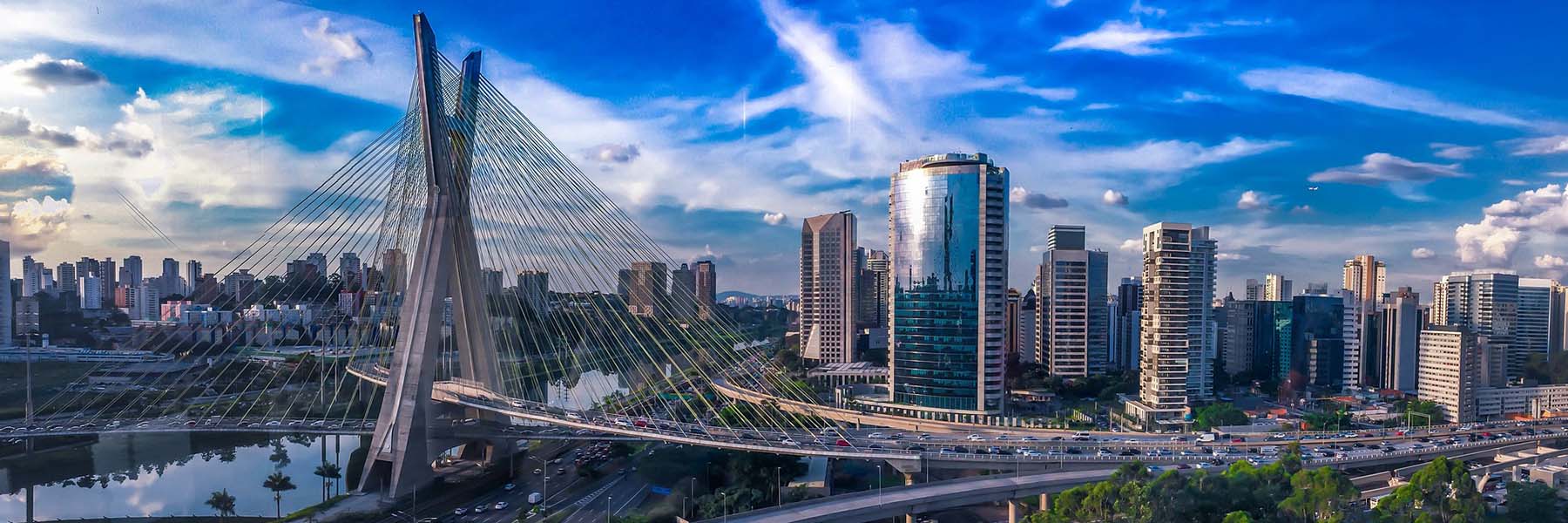
  • Rio de Janeiro - The city is world famous for its carnival, samba and beaches. Christos Redenter is the pride of Brazil and a symbol of peace. Sugarloaf Mountain offers stunning views at sunset and several beaches are home to many subcultures. At night there is a vibrant nightlife with many bars and nightclubs.
  • Manaus - This city is located in the middle of the Amazon and can only be reached by boat. From Manaus many boat trips are organized and tours are offered. These include climbing tall trees and spotting pink dolphins. There is also an Amazon theater in Manaus and you can buy many souvenirs.
  • Waterfalls of Foz de Iguaçu - On the border of Brazil, Argentina and Paraguay are the most beautiful waterfalls in the world. The Devil's Throat is the most famous part of the falls, as this is when the water falls down a 700-meter long gorge. On a trip through the nearby jungle, you will find more than a hundred different species of birds.
  • Feira Hippie in Rio de Janeiro - At this hippie market you will find handmade clothes, jewelry, food and other fun stuff. The market can be found every Sunday at Ipanema beach.
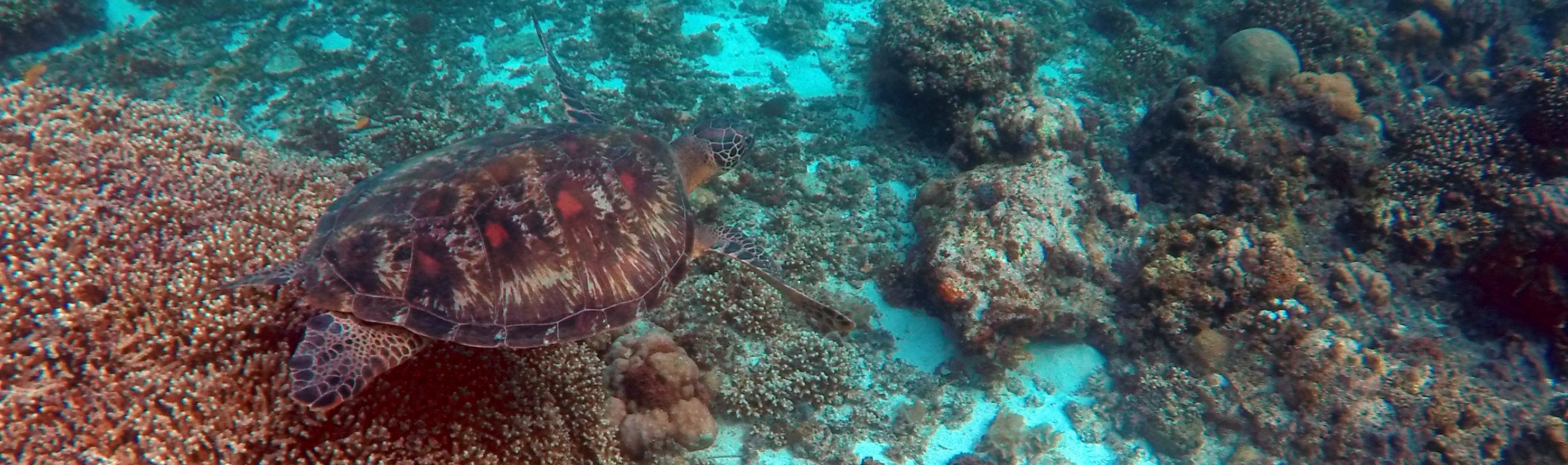
  • Diving at Fernando de Noronha - At this island group you will find a beautiful coral reef and be among dolphins, rays and turtles. There is also a war wreck on the bottom and the islands boast some of the most beautiful beaches in Brazil. 
  • Shopping in São Paulo - People from all over Brazil come here to store. There are several malls and on weekends there are also many flea markets.
  • Sunset in Jericoacoara - At this surf spot, you have a fantastic view of the sunset from the sand dunes. In June, the sunset is the most beautiful. It is possible to rent a baby carriage to go on the beach or to join the fishing boats. There are also many bars and restaurants along the dirt roads.
  • Safari in Pantan - This plain is the best place to spot wildlife. It is much easier here than in the Amazon. During the safari you will encounter jaguars, pumas and monkeys on land. Among the grass of the swamp you will find crocodiles and even anacondas. Pantanal is though an uninhabited area for humans, you are literally in the wild.
  • Be prepared for the huge visible differences between rich and poor. 
  • And the possible amount of theft, violence and crime in the big cities, especially in Rio de Janeiro.

Updates Brazil

  • More about Brazil, updates and contributions, see the link below.
How does the healthcare system work in Brazil, and which travel insurance, health insurance or expat insurance do you need?

How does the healthcare system work in Brazil, and which travel insurance, health insurance or expat insurance do you need?

How does the healthcare system work in Brazil?

How is the quality of health care in Brazil?

  • Brazil has a universal public health care system called Sistema Único de Saúde (SUS).
  • There is also very large private sector, which is widely used by residents with higher incomes or additional insurance.
  • The SUS offers free health care to all residents, including foreigners living or traveling in Brazil.
  • Virtually all major Brazilian cities have good health care facilities.
  • In remote areas, care can be more limited, sometimes poorer quality and/or unsanitary.

How is the public health system in Brazil (SUS)?

  • Anyone living in Brazil, including expatriates, emigrants and refugees, can access the public system. You do need a Brazilian ID number and migrant registration card, which you can use to buy an SUS card.
  • The quality of care is uneven in public institutions, mainly due to overcrowding, lack of resources in rural areas and long waiting times for non-emergency treatment.
  • In public institutions, it can be difficult to communicate in English. In private institutions, English is more often spoken.
  • There is a shortage of general practitioner care in public health facilities, as most general practitioners work for private clinics.
  • Many expats find that public health care does not always match their expectations or needs.
  • Pharmacies in Brazil are usually found in urban centers or they are attached to a hospital. Medications are kept as affordable as possible (often with no co-payment) so that a large portion of the population has access. Pharmacies are usually open until 10 p.m.; some have 24-hour service.
  • There are walk-in public health clinics (UBS, Basic Health Units) where you can go mainly for non-urgent care or when you do not have a family doctor. You do need an SUS card for this.

How is the private health care system in Brazil?

  • Many expats, despite the higher costs, choose private health care in Brazil. The quality is better to excellent and the facilities are more modern.
  • Partly for this reason, it is important to have a good expat/emigrant insurance policy that provides access to this better standard.
  • In addition, there are always things you will have to deal with as an expat or emigrant that are not covered “by default” (think repatriation, care by good English-speaking doctors, wider treatment choices, etc.) An (additional) private coverage can fill in the gaps and offer a wider choice of coverage.

How is the general practitioner arranged in Brazil?

  • There is a major shortage of family doctors in public healthcare because most family doctors work in private healthcare.
  • If you are affiliated with the SUS, you can search for a family doctor via the database of the Ministry of Health.
  • Most emigrants go for family doctors via private clinics. There are many of them and you can often get good recommendations from other expats!

How is the dentist arranged in Brazil?

  • Dentists are called “dentista” and you can find them in both public health facilities and private clinics.
  • SUS also offers free dental care, but wait times can be very long and the language barrier is also a thing.
  • Private dental care is very good, not too expensive and the wait times are shorter. Many people even come to Brazil just for this service.

How is the maternity care arranged in Brazil?

  • Maternity care is offered through the public healthcare system SUS or through private clinics.
  • Prenatal checkups are extensive and include multiple appointments, ultrasounds, blood tests, etc.
  • In the public sector, this is free, but waiting times are often long. In private care, you will find more flexibility.
  • Most deliveries take place in the hospital; more than 50% via cesarean section.
  • After delivery, mothers usually stay in the hospital for several days.
  • There is no structural home maternity care. So make sure you arrange for someone to do this for you in advance.

How safe and unsafe is a trip or stay in Brazil?

What should you pay attention to in terms of safely in Brazil?

  • Brazil has very high crime rates compared to many other expat destinations. There are large disparities between rich and poor, so there is a lot of petty crime. There is also a chance of more violent incidents from Brazil's many organized crime groups. 
  • Favelas, or slums, are neighborhoods in and around cities where you will find many houses close together. They are found in all major cities and are best avoided as expats because the situation there can be dangerous and unpredictable.
  • Car hijackings are also common, so make sure you always put your belongings out of sight and keep the doors locked. 
  • Among other things, travel through river areas on the border with Colombia, Peru and Venezuela is not recommended because of heavy crime and criminal groups. 
  • You can also be mugged in public transport. So better not wear obviously expensive things. 
  • There are frequent protests and demonstrations. The situation here can sometimes get out of hand. Avoid these gatherings if you can and follow the local news for updates. 
  • Always take a copy of your passport with you. 
  • Brazil has floods in the rainy seasons that can disrupt infrastructure. 
  • In the dry season there are often intense forest fires that are very dangerous and unpredictable. 

What should you look out for in terms of diseases in Brazil?

  • Several tropical diseases are present including Dengue, Malaria, Chikungunya and the Zika virus. So make sure you protect yourself well against mosquitoes! 
  • Drinking water and sanitary conditions in Brazil vary greatly depending on where you stay. In cities, access to safe water is often better regulated than in rural or remote areas.
  • In Brazil, among other things, you can get Schistosomiasis, a parasitic infection caused by contact with fresh water contaminated with parasites. It is particularly common in the northeast and in the Amazon. 

What should you pay attention to in terms of traffic in Brazil?

  • Brazil is known for its high rate of traffic accidents, mainly due to aggressive driving, poor road conditions and lack of enforcement of traffic rules. 
  • Driving after dark, especially in rural areas, can be very dangerous because of poorly lit roads or other vehicles without lights. 
  • There is strict legislation regarding drunk driving (the Lei Seca), but it still occurs. 
  • Roads in cities can be quite good, but in rural areas are often significantly less so. 

Which work and travel insurance policies are suitable for short and long stays in Brazil?

  • Is the trip to Brazil and your return sufficiently covered? Are you sufficiently covered before, during and after your activities? Which insurance best suits your trip and your activity? Read more about insurances for abroad on JoHoinsurances.org.

What emigration and expat insurance can you take out for Brazil if you are going to live there for a while?

  • It is not mandatory to have your own insurance when moving to Brazil, but it is recommended to be able to use private care. Read more about insurances for abroad on Expatinsurances.org.
Packing list for Brazil, travel insurance for Brazil, and taking your belongings

Packing list for Brazil, travel insurance for Brazil, and taking your belongings

What to take with you to Brazil: spotlighted

  • Documents: a passport with 6 months validity and copies.
  • Money: a debit card to withdraw money, but also some Brazilian real, because you certainly don't want to go to the ATMs in the evening!
  • Care: sunscreen with a high factor - the sun in Brazil is like an enthusiastic dog: always present and sometimes a bit too much. Aftersun can't hurt either.
  • Outdoor and handy items: cap or hat and sunglasses.
  • Clothing: light and breathable clothing that protects you well from the sun. A nice going-out outfit certainly can't hurt either, the locals like to dress up. Last but not least, a good swimming outfit!
  • Protection: a raincoat is essential, for the rain showers that can suddenly occur, or for the gigantic waterfalls that you are going to visit. The same goes for a rain cover for your backpack.
  • Shoes: nice sandals or slippers and hiking boots for the jungle trips. Medicines and travel kit: a small first aid kit with plasters, painkillers and ORS (dehydration is a thing). Good mosquito repellents.
  • Safety: money belt and safe bag for your stuff.
  • Technology and equipment: the power sockets vary throughout the country - usually plug type C & N. A world plug is therefore essential.

What are some other options for packing as well?

  • Reusable water bottle with filter, because tap water is technically drinkable, but often tastes strange.
  • International driving license for that cool road trip.
  • A bit of courage to haggle at the market.
  • Quick-drying towel for your beach and jungle adventures.
  • Sarong for the beach, super multifunctional.
  • White clothing in case you accidentally get invited to a Candomblé ritual or New Year's Eve on the beach in Rio (you get bonus respect for it).

What should you know when you bring your stuff with you to Brazil?

  • Safety measure for travelling around Brazil.
  • When are the festivities and what is the dress code.

Are there mosquitoes in Brazil?

  • Yes, mosquitoes are a big problem in Brazil. Everywhere in the country, but even more so in the Amazon and Pantanal.
  • Mosquitoes in Brazil spread many diseases such as dengue, malaria, zika and yellow fever.
  • It is wise to take anti-mosquito measures, and to be extra careful during the rainy season, in places with stagnant water and in poorer areas of cities.

Are there sandflies in Brazil?

  • Brazil has the highest number of sandfly species in the world and you can get very sick from them.
  • It is difficult to say where you will and will not encounter them, but in general there are fewer sand flies in higher altitudes and less humid areas.
  • So it is important to protect yourself well.

Can you buy DEET, or other mosquito repellents, in Brazil?

  • The most effective way to protect yourself in Brazil is to cover yourself.
  • You can buy all kinds of anti-mosquito products in every pharmacy and large supermarket. So it’s okay if you forget it in all your packing stress.

Can you buy a joint or weed in Brazil, or take it with you to Brazil?

  • Yes, you will see people smoking weed – on the beach, at festivals, on the streets in alternative neighborhoods, but it is illegal!
  • It’s all a gray area again, because in 2024 the court in Brazil has decriminalized marijuana use for Brazilians, but that does not mean it is legal. It is also unclear how foreigners are treated and the police can also accuse you of dealing or selling weed if you have weed on you.
  • You are not allowed to take it with you anyway, so leave that stash at home if you don’t want to go on a one-way trip.

Image

Why get specific insurance when going abroad: per activity abroad
Why should you take out specialized travel insurance for a long trip abroad?

Why should you take out specialized travel insurance for a long trip abroad?

What is round the world travel insurance or long-term travel insurance?

  • Round the world travel insurance means that you take out insurance that continues to provide coverage during all your activities abroad, and which is specifically intended for those who travel for long periods of time, such as world travelers, globetrotters, and nomads.

Why should you take out specialized travel insurance for a long trip abroad?

  • Round the world travel insurance provides coverage for a much longer trip than regular travel insurance.
  • World travel insurance is specifically intended for longer trips, whereas regular travel insurance may offer coverage on paper, but in practice handles it differently.
  • World travel insurance is suitable for many types of activities, ranging from high-altitude trekking to more risky sports.
  • World travel insurance continues to provide coverage if you start working during your trip, whether planned or unplanned. If you did not take out insurance before departure that allows you to work, there is no guarantee that you will be able to take out insurance that provides coverage while abroad.
  • Long-term travel insurance continues to provide coverage when your home country's health insurance no longer does.
  • Worldwide travel insurance also covers your medical expenses up to the actual cost, and not just for the standard costs. The costs per medical treatment vary greatly between countries.
  • Worldwide travel insurance can also continue to provide coverage if negative travel advice is issued.

What is important to insure when you are going to travel around the world?

  • That you have insurance that is valid in the countries where you are going to travel and posibly work.
  • That you are adequately insured for the sports and activities you are going to participate in during your full period abroad
  • That you are insured for emergency assistance and early return if something happens to you or your immediate family.
  • That your medical expenses are insured up to the actual cost and not just for the standard costs. The costs per medical treatment vary greatly between countries.
  • That you insure your luggage and take sufficient precautions against theft or damage.
  • That you are well insured against personal liability.
  • That you are well insured in case of accidents.
  • That you only insure yourself for legal assistance if there is an immediate reason to do so, unless coverage is already automatically included in the insurance.
  • That you pay close attention to choosing the right coverage when performing work or voluntary work during your world trip.

Check out more about

Why should you take out specific insurance when you go on a trip or vacation?

Why should you take out specific insurance when you go on a trip or vacation?

What is insurance for traveling abroad?

  • Travel insurance is insurance that provides coverage for risks during a trip or vacation abroad. This mainly concerns loss of or damage to your luggage, medical assistance, or repatriation costs if you need to be transported back home urgently. In some cases, travel insurance coverage also applies on domestic trips.
  • With annual travel insurance or multi-trip travel insurance, you are insured for all your trips throughout the year.
  • With temporary travel insurance or single-trip travel insurance, you take out insurance for each trip for the duration of the trip.
  • Cancellation insurance reimburses (all or part of) the travel sum, cancellation or accommodation costs if you have to cancel or interrupt your vacation.

Why should you take out travel insurance for a short trip, vacation, or long-distance trip?

  • Travel insurance can provide coverage in the event of an accident or emergency while you are abroad.
  • Travel insurance can provide coverage for damage and accidents during the adventurous or sporting activities you plan to do.
  • Travel insurance can continue to provide coverage if your health insurance no longer provides coverage, or if the damage is only reimbursed at cost price of your home country.
  • Travel insurance can provide coverage in the event of damage, loss, or theft of your luggage.
  • Travel insurance can provide coverage if you are held liable for damage you cause to other people or their property.
  • Travel insurance can provide coverage if you have to return home early because something has happened to you or your immediate family.

What is important to insure when you are going to travel abroad?

  • That you have insurance that is valid in the country or countries that you are going to visit.
  • That you are adequately insured for the sports and activities you are going to participate in during your period abroad.
  • That you are insured for emergency assistance and early return if something happens to you or your immediate family.
  • That your medical expenses are insured up to the actual cost and not just for the standard costs. The costs per medical treatment vary greatly between countries.
  • That you insure your luggage and take sufficient precautions against theft or damage.
  • That you are well insured against personal liability.
  • That you are well insured in case of accidents.
  • That you only insure yourself for legal assistance if there is an immediate reason to do so, unless coverage is already automatically included in the insurance.
  • That you pay close attention to choosing the right coverage when performing work alongside your travels.

Check out more about international insurances

Why should you take out specialized travel insurance for working abroad?

Why should you take out specialized travel insurance for working abroad?

Why should you take out specialized travel insurance for paid work, voluntary work or an internship abroad?

  • There may be several reasons why you need separate insurance when working abroad.
  • During work, internships, or volunteer work abroad where you receive financial compensation (or, for example, food or housing), your national health insurance coverage may expire. You will then need special insurance to remain insured for illness and accidents.
  • During specific work abroad, additional requirements may apply if your work involves additional risks. Only specific insurance policies offer coverage during this type of work.
  • During your work, the risk of accidents is sometimes greater, for example because you are doing work with which you have little experience or because of the nature of the work.
  • During your work, local employers generally offer no or limited insurance that provides insufficient coverage.

What is important to insure when you are going to work abroad?

  • That you have insurance that is valid in the country or countries where you are going to travel and work.
  • That you are adequately insured for the sports and activities you are going to participate in during your period abroad
  • That you are insured for emergency assistance and early return if something happens to you or your immediate family.
  • That your medical expenses are insured up to the actual cost and not just for the standard costs. The costs per medical treatment vary greatly between countries.
  • That you insure your luggage and take sufficient precautions against theft or damage.
  • That you are well insured against personal liability.
  • That you are well insured in case of accidents.
  • That you only insure yourself for legal assistance if there is an immediate reason to do so, unless coverage is already automatically included in the insurance.
  • That you pay close attention to choosing the right coverage when performing work.

Check out more about international insurances

Why should you take out specialized travel insurance for volunteering abroad?

Why should you take out specialized travel insurance for volunteering abroad?

What is insurance for volunteering abroad?

  • Insuring volunteer work abroad means taking out insurance that continues to provide coverage while you are working as a volunteer abroad

Why should you take out specialized travel insurance for voluntary work abroad?

  • There may be several reasons why you need separate insurance when volunteering abroad.
  • During specific activities abroad, additional requirements may apply if your work involves extra risks. Only specific insurance policies offer coverage during these activities.
  • The risk of accidents is sometimes higher during your work, for example because you are doing work you have little experience with or because of the nature of the work.
  • Local projects or employers generally offer no or limited insurance that provides insufficient coverage during your work.
  • When volunteering abroad and receiving minor financial compensation (or, for example, food or housing), your home country's health insurance coverage will potentially lapse. You will then need special insurance to remain insured for illness and accidents.
  • Regular travel insurance policies generally provide coverage for trips of a limited number of days. If your trip or stay abroad exceeds the maximum number of days, this generally means that for the entire travel period, you will not be covered.
  • Regular travel insurance policies generally only provide coverage for recreational travel without voluntary work activities. If you engage in activities other than recreational activities (such as volunteer work), this generally means that for the entire travel period, you will not be covered.

What is important to insure when you are going to work as a volunteer abroad?

  • That you have insurance that is valid in the country or countries where you are going to travel and volunteer.
  • That you are adequately insured for the sports and activities you are going to participate in during your period abroad
  • That you are insured for emergency assistance and early return if something happens to you or your immediate family.
  • That your medical expenses are insured up to the actual cost and not just for the standard costs. The costs per medical treatment vary greatly between countries.
  • That you insure your luggage and take sufficient precautions against theft or damage.
  • That you are well insured against personal liability.
  • That you are well insured in case of accidents.
  • That you only insure yourself for legal assistance if there is an immediate reason to do so, unless coverage is already automatically included in the insurance.
  • That when performing work in healthcare, with wild animals, and with dangerous (agricultural) machinery, you take care to choose the right coverage.

Check out more about international insurances

Why should you take out specialized travel insurance for an internship abroad?

Why should you take out specialized travel insurance for an internship abroad?

What is insurance for an internship abroad?

  • Insuring an internship abroad means taking out insurance that continues to provide coverage during your internship abroad
  • Insurance for internships abroad are also referred to as internship insurance. This internship insurance is specifically for when you go abroad for a long period of time to work as an intern, take courses, or conduct research abroad.

Why should you take out specialized travel insurance for an internship abroad?

  • There may be several reasons why you need separate insurance for an internship abroad.
  • During internship activities abroad, additional requirements may apply as soon as you start performing work that involves additional risks. Only specific insurance policies offer coverage during these activities.
  • During your internship, the risk of accidents is sometimes greater, for example because you are doing work with which you have little experience or because of the nature of the work.
  • During your internship, local employers generally do not offer insurance, or offer limited insurance that does not provide sufficient coverage.
  • During an internship abroad where you receive financial compensation (or, for example, food or accommodation), your home country's health insurance coverage will potentially lapse. You will then need special insurance to remain insured for illness and accidents.
  • Regular travel insurance policies generally provide coverage for trips of a limited number of days. If your trip or stay abroad exceeds the maximum number of days, this generally means that for the entire travel period, you will not be covered.
  • Regular travel insurance policies generally only provide coverage for recreational trips without work activities.

What is important to insure when you are going to be an intern abroad?

  • That you have insurance that is valid in the area where you will be traveling and doing your internship.
  • That you are adequately insured for the sports and activities you will be participating in.
  • That you are insured for emergency assistance and early return in case something happens to you or your immediate family.
  • That your medical expenses are insured up to the actual cost (what it actually costs), and not just for the standard costs. The costs per medical treatment vary greatly between countries.
  • That you insure your luggage and take sufficient precautions against theft or damage.
  • That you are well insured against personal liability and, preferably, also for liability during your internship.
  • That you are well insured in case of accidents.
  • That you insure yourself for legal assistance if there is an immediate reason to do so, unless the coverage is already automatically included in the insurance.
  • Make sure you choose the right coverage for internship work in healthcare, with wild animals, or with dangerous machinery!

Check out more about international insurances

Why should you take out specialized travel insurance for studying abroad?

Why should you take out specialized travel insurance for studying abroad?

What is insurance for studying abroad?

  • Insurance for studying abroad means that you take out insurance that continues to provide coverage during your studies, your education, and your related activities abroad.
  • Insurance for studying abroad is also referred to as study insurance. This study insurance is specifically for when you go abroad for a long period of time to take courses, study, or conduct research abroad.

Why should you take out specialized travel insurance for a study abroad?

  • Study insurance is specifically designed for studying abroad, whereas regular travel insurance policies may offer coverage on paper but handle this situation differently in practice.
  • Study insurance offers coverage for longer stays than regular (vacation) travel insurance.
  • Study insurance is also suitable for many types of activities, ranging from various sports to hiking at high altitudes.
  • Study insurance continues to provide coverage if you start working during your trip, whether planned or unplanned. If you have not taken out insurance before departure that allows you to work, there is no guarantee that you will be able to take out insurance abroad that provides coverage.
  • Study insurance continues to provide coverage if your own country's health insurance no longer provides coverage.
  • Student insurance also covers your healthcare costs above the rates in your own country; with regular insurance, you have to pay the extra costs yourself.
  • Student insurance can also continue to provide coverage if (study) visa issuers impose additional requirements on how you insure yourself, for example if you are going to the US and applying for a J-1 visa.
  • Student insurance continues to provide coverage if you are staying abroad for a longer period of time and want to visit your own country in between.

What is important to insure when you are going to study abroad?

  • That you have insurance that is valid in the country or countries where you are going to travel and work.
  • That you are adequately insured for the sports and activities you are going to participate in during your period abroad
  • That you are insured for emergency assistance and early return if something happens to you or your immediate family.
  • That your medical expenses are insured up to the actual cost and not just for the standard costs. The costs per medical treatment vary greatly between countries.
  • That you insure your luggage and take sufficient precautions against theft or damage.
  • That you are well insured against personal liability.
  • That you are well insured in case of accidents.
  • That you only insure yourself for legal assistance if there is an immediate reason to do so, unless coverage is already automatically included in the insurance.
  • That you pay close attention to choosing the right coverage when performing work alongside your studies.

Check out more about international insurances

Why should you take out specialized insurance for moving abroad as an emigrant or an expat?

Why should you take out specialized insurance for moving abroad as an emigrant or an expat?

What is an emigration insurance and what is an expat insurance?

  • Emigration insurance is an insurance that continues to provide coverage if you move abroad permanently or for an indefinite period of time.
  • Emigration insurance is not only intended for emigrants, but for anyone who leaves their home country for an extended period of time and does not intend to return in the foreseeable future.
  • Expat insurance is insurance that continues to provide coverage if you go to work abroad for a local or international employer for an extended period of time.
  • Expat insurance is not only intended for expats, but for anyone who has a more permanent job abroad.

Why should you take out specialized insurance for emigration or working as an expat abroad?

  • Emigration or expat insurance not only provides coverage for acute assistance in the event of illness or accident abroad, such as travel insurance, but can also provide coverage for existing conditions and ailments or non-urgent care.
  • Emigration or expat insurance does not require you to maintain valid health insurance in your home country.
  • Emigration or expat insurance provides coverage for preventive care or costs related to pregnancy and childbirth.
  • Emigration or expat insurance also provides coverage for long-term treatments and chronic conditions without you having to return to your home country.
  • Emigration or expat insurance often has no restrictions on the duration of the insurance, unlike travel insurance.
  • Emigration or expat insurance usually maintains coverage in cases such as negative travel advice or acts of war.
  • Emigration or expat insurance offers various solutions in the areas of disability, home and household insurance, goods transport, and liability.

What is important to insure when you are going to move abroad?

  • That you have insurance that is valid in the country or countries where you are going to live and/or work.
  • That you are adequately insured for the sports and activities you are going to participate in during your period abroad
  • That you are insured for emergency assistance and early return if something happens to you or your immediate family.
  • That your medical expenses are insured up to the actual cost and not just for the standard costs. The costs per medical treatment vary greatly between countries.
  • That you are well insured against personal liability.
  • That you are well insured in case of accidents.
  • That you pay close attention to choosing the right coverage when performing work with additional health risks

Check out more about international insurances

Why should you take out travel insurance and why through the JoHo Foundation?

Why should you take out travel insurance and why through the JoHo Foundation?

Why Insurances through JoHo

  • Specialized: in emigration, work, internships, study and travel abroad.

  • Service: JoHo offers multiple travel insurances by multiple companies. Thanks to JoHo's extensive experience, it can offer support in case of problems with insurers, as well as advice and fast and personal handling.

  • Safe: JoHo is recognized as a trustworthy intermediary for insurances.

  • Social: by purchasing an insurance through JoHo you provide a talented student in The Philippines with health insurance

Why Should You Take Out A Travel Insurance?

  • The chance of getting injured or ill is generally higher than when you would have stayed at home. The medical care you will need can be very expensive, even more so if you are treated in a private clinic.

  • If you have to fly back because of family circumstances, the flights might be more expensive than your original flight because you have to fly on short notice.

  • You might have to deal with the damage, loss or theft of your luggage.

  • In case of emergency it can be difficult to figure out what to do. A good travel insurance will have an assistance team on standby for you 24/7 and will be able to tell you what steps to take.

Why Should You Specifically Take Out A Travel Insurance For A Long Trip Abroad?

  • Often regular travel or health insurances only cover trips for a maximum number of days (for example 60, 90 or 180 days).

  • Depending on your home country, your health insurance might not offer any coverage for treatment abroad.

  • During a long trip you might consider specific activities, like paid work or volunteering. Regular travel insurances often don’t cover these kind of activities. The same goes for adventurous/ hazardous sports like skydiving, scuba-diving and bungee jumping.

More on why to use JoHo

  • JoHo is one of the few organizations where you can directly purchase a comprehensive range of foreign insurances from a variety of insurers. As with our other products and services, we believe that you should be able to choose between the best, the most cost effective and the most specialized insurance.

  • JoHo offers various possibilities from combining insurances to assisting in transferring from one insurer to another.

  • When you purchase an insurance policy through JoHo, you will not pay more than if you had purchased it directly from the insurer. Sometimes (through special collective agreements) you will even pay less.

  • JoHo offers support with problems that may arise with the insurer. Sometimes disagreement with claims, cancellation notice or insurance premiums can occur. In this situation it helps if you have the assistance of an organization who has an established relationship with the insurer.


Read more about JoHo and JoHo Insurances

Image

Safety, insurances and packing list for Brazil

How does the healthcare system work in Brazil, and which travel insurance, health insurance or expat insurance do you need?

How does the healthcare system work in Brazil, and which travel insurance, health insurance or expat insurance do you need?

How does the healthcare system work in Brazil?

How is the quality of health care in Brazil?

  • Brazil has a universal public health care system called Sistema Único de Saúde (SUS).
  • There is also very large private sector, which is widely used by residents with higher incomes or additional insurance.
  • The SUS offers free health care to all residents, including foreigners living or traveling in Brazil.
  • Virtually all major Brazilian cities have good health care facilities.
  • In remote areas, care can be more limited, sometimes poorer quality and/or unsanitary.

How is the public health system in Brazil (SUS)?

  • Anyone living in Brazil, including expatriates, emigrants and refugees, can access the public system. You do need a Brazilian ID number and migrant registration card, which you can use to buy an SUS card.
  • The quality of care is uneven in public institutions, mainly due to overcrowding, lack of resources in rural areas and long waiting times for non-emergency treatment.
  • In public institutions, it can be difficult to communicate in English. In private institutions, English is more often spoken.
  • There is a shortage of general practitioner care in public health facilities, as most general practitioners work for private clinics.
  • Many expats find that public health care does not always match their expectations or needs.
  • Pharmacies in Brazil are usually found in urban centers or they are attached to a hospital. Medications are kept as affordable as possible (often with no co-payment) so that a large portion of the population has access. Pharmacies are usually open until 10 p.m.; some have 24-hour service.
  • There are walk-in public health clinics (UBS, Basic Health Units) where you can go mainly for non-urgent care or when you do not have a family doctor. You do need an SUS card for this.

How is the private health care system in Brazil?

  • Many expats, despite the higher costs, choose private health care in Brazil. The quality is better to excellent and the facilities are more modern.
  • Partly for this reason, it is important to have a good expat/emigrant insurance policy that provides access to this better standard.
  • In addition, there are always things you will have to deal with as an expat or emigrant that are not covered “by default” (think repatriation, care by good English-speaking doctors, wider treatment choices, etc.) An (additional) private coverage can fill in the gaps and offer a wider choice of coverage.

How is the general practitioner arranged in Brazil?

  • There is a major shortage of family doctors in public healthcare because most family doctors work in private healthcare.
  • If you are affiliated with the SUS, you can search for a family doctor via the database of the Ministry of Health.
  • Most emigrants go for family doctors via private clinics. There are many of them and you can often get good recommendations from other expats!

How is the dentist arranged in Brazil?

  • Dentists are called “dentista” and you can find them in both public health facilities and private clinics.
  • SUS also offers free dental care, but wait times can be very long and the language barrier is also a thing.
  • Private dental care is very good, not too expensive and the wait times are shorter. Many people even come to Brazil just for this service.

How is the maternity care arranged in Brazil?

  • Maternity care is offered through the public healthcare system SUS or through private clinics.
  • Prenatal checkups are extensive and include multiple appointments, ultrasounds, blood tests, etc.
  • In the public sector, this is free, but waiting times are often long. In private care, you will find more flexibility.
  • Most deliveries take place in the hospital; more than 50% via cesarean section.
  • After delivery, mothers usually stay in the hospital for several days.
  • There is no structural home maternity care. So make sure you arrange for someone to do this for you in advance.

How safe and unsafe is a trip or stay in Brazil?

What should you pay attention to in terms of safely in Brazil?

  • Brazil has very high crime rates compared to many other expat destinations. There are large disparities between rich and poor, so there is a lot of petty crime. There is also a chance of more violent incidents from Brazil's many organized crime groups. 
  • Favelas, or slums, are neighborhoods in and around cities where you will find many houses close together. They are found in all major cities and are best avoided as expats because the situation there can be dangerous and unpredictable.
  • Car hijackings are also common, so make sure you always put your belongings out of sight and keep the doors locked. 
  • Among other things, travel through river areas on the border with Colombia, Peru and Venezuela is not recommended because of heavy crime and criminal groups. 
  • You can also be mugged in public transport. So better not wear obviously expensive things. 
  • There are frequent protests and demonstrations. The situation here can sometimes get out of hand. Avoid these gatherings if you can and follow the local news for updates. 
  • Always take a copy of your passport with you. 
  • Brazil has floods in the rainy seasons that can disrupt infrastructure. 
  • In the dry season there are often intense forest fires that are very dangerous and unpredictable. 

What should you look out for in terms of diseases in Brazil?

  • Several tropical diseases are present including Dengue, Malaria, Chikungunya and the Zika virus. So make sure you protect yourself well against mosquitoes! 
  • Drinking water and sanitary conditions in Brazil vary greatly depending on where you stay. In cities, access to safe water is often better regulated than in rural or remote areas.
  • In Brazil, among other things, you can get Schistosomiasis, a parasitic infection caused by contact with fresh water contaminated with parasites. It is particularly common in the northeast and in the Amazon. 

What should you pay attention to in terms of traffic in Brazil?

  • Brazil is known for its high rate of traffic accidents, mainly due to aggressive driving, poor road conditions and lack of enforcement of traffic rules. 
  • Driving after dark, especially in rural areas, can be very dangerous because of poorly lit roads or other vehicles without lights. 
  • There is strict legislation regarding drunk driving (the Lei Seca), but it still occurs. 
  • Roads in cities can be quite good, but in rural areas are often significantly less so. 

Which work and travel insurance policies are suitable for short and long stays in Brazil?

  • Is the trip to Brazil and your return sufficiently covered? Are you sufficiently covered before, during and after your activities? Which insurance best suits your trip and your activity? Read more about insurances for abroad on JoHoinsurances.org.

What emigration and expat insurance can you take out for Brazil if you are going to live there for a while?

  • It is not mandatory to have your own insurance when moving to Brazil, but it is recommended to be able to use private care. Read more about insurances for abroad on Expatinsurances.org.
Packing list for Brazil, travel insurance for Brazil, and taking your belongings

Packing list for Brazil, travel insurance for Brazil, and taking your belongings

What to take with you to Brazil: spotlighted

  • Documents: a passport with 6 months validity and copies.
  • Money: a debit card to withdraw money, but also some Brazilian real, because you certainly don't want to go to the ATMs in the evening!
  • Care: sunscreen with a high factor - the sun in Brazil is like an enthusiastic dog: always present and sometimes a bit too much. Aftersun can't hurt either.
  • Outdoor and handy items: cap or hat and sunglasses.
  • Clothing: light and breathable clothing that protects you well from the sun. A nice going-out outfit certainly can't hurt either, the locals like to dress up. Last but not least, a good swimming outfit!
  • Protection: a raincoat is essential, for the rain showers that can suddenly occur, or for the gigantic waterfalls that you are going to visit. The same goes for a rain cover for your backpack.
  • Shoes: nice sandals or slippers and hiking boots for the jungle trips. Medicines and travel kit: a small first aid kit with plasters, painkillers and ORS (dehydration is a thing). Good mosquito repellents.
  • Safety: money belt and safe bag for your stuff.
  • Technology and equipment: the power sockets vary throughout the country - usually plug type C & N. A world plug is therefore essential.

What are some other options for packing as well?

  • Reusable water bottle with filter, because tap water is technically drinkable, but often tastes strange.
  • International driving license for that cool road trip.
  • A bit of courage to haggle at the market.
  • Quick-drying towel for your beach and jungle adventures.
  • Sarong for the beach, super multifunctional.
  • White clothing in case you accidentally get invited to a Candomblé ritual or New Year's Eve on the beach in Rio (you get bonus respect for it).

What should you know when you bring your stuff with you to Brazil?

  • Safety measure for travelling around Brazil.
  • When are the festivities and what is the dress code.

Are there mosquitoes in Brazil?

  • Yes, mosquitoes are a big problem in Brazil. Everywhere in the country, but even more so in the Amazon and Pantanal.
  • Mosquitoes in Brazil spread many diseases such as dengue, malaria, zika and yellow fever.
  • It is wise to take anti-mosquito measures, and to be extra careful during the rainy season, in places with stagnant water and in poorer areas of cities.

Are there sandflies in Brazil?

  • Brazil has the highest number of sandfly species in the world and you can get very sick from them.
  • It is difficult to say where you will and will not encounter them, but in general there are fewer sand flies in higher altitudes and less humid areas.
  • So it is important to protect yourself well.

Can you buy DEET, or other mosquito repellents, in Brazil?

  • The most effective way to protect yourself in Brazil is to cover yourself.
  • You can buy all kinds of anti-mosquito products in every pharmacy and large supermarket. So it’s okay if you forget it in all your packing stress.

Can you buy a joint or weed in Brazil, or take it with you to Brazil?

  • Yes, you will see people smoking weed – on the beach, at festivals, on the streets in alternative neighborhoods, but it is illegal!
  • It’s all a gray area again, because in 2024 the court in Brazil has decriminalized marijuana use for Brazilians, but that does not mean it is legal. It is also unclear how foreigners are treated and the police can also accuse you of dealing or selling weed if you have weed on you.
  • You are not allowed to take it with you anyway, so leave that stash at home if you don’t want to go on a one-way trip.

Image ACTIVITIES

Check courses, jobs, projects, recipes, suggestions and tips related to: 'Brazil'

CHECK MORE ACTIVITIES

Make a selection, to find more tips than you see below

Image Work at a summer camp in Brazil where children from the favelas receive extra education
Work at a summer camp in Brazil where children from the favelas of Rio de Janeiro receive extra education. During the summer camps, English lessons are given, computer...
Image Teach English in Brazil at a ngo for children and teenagers from the favelas of Rio de Janeiro
Teach English in Brazil at an organization for underprivileged children and teenagers from the slums of Rio de Janeiro. Minimum commitment of 3 months. With a minimum of...
Image Work on a farm in South America and advocate for sustainable, organic farming practices
Work on a farm or finca in South America and advocate for sustainable, organic farming practices. Live, experience and work temporarily on an organic farm, self-...
Image Teaching Spanish abroad: what is it, why should you do it and where should you go?
What is teaching Spanish abroad? What are the requirements to become a Spanish teacher abroad? On which schools can you teach Spanish abroad as a foreigner or as a (non...
Image Teaching English abroad: what is it, why should you do it and where should you go?
What is teaching English abroad? On which schools can you teach English abroad as a foreigner or as a (non) native speaker? What do you get out of teaching or helping at...
Image Recept: Arroz com feijao - typisch iets wat ik supervaak heb gegeten in Brazilië!
Mijn wereldrecept: Arroz com feijao - typisch iets wat ik supervaak heb gegeten in Brazilië!
Image Pé de moleque: Brazilian sweet and its history
My world recipe: Pé de moleque
Image Klinische meeloopstage van vier weken voor geneeskundestudenten
Je loopt vier weken mee met een arts op een afdeling in een buitenlands ziekenhuis. Je kan zelf kiezen in welk land je stage wilt lopen en op welke afdeling. Je volgt...

Image Werk als barman of barvrouw bij een resorts en bezorg de gasten een onvergetelijke tijd
Werk als barman of barvrouw bij een resorts en bezorg de gasten een onvergetelijke tijd
Image Ben jij schilder, elektricien, loodgieter of technicus? Ga dan aan de slag op een resort in de sneeuw of juist in de zon
Ben jij schilder, elektricien, loodgieter of technicus? Ga dan aan de slag op een resort in de sneeuw of juist in de zon
Activities abroad: home bundle

Main content and contributions for activities abroad

,,,accommodations, adventure activities, courses, internships, jobs and volunteer projects

...to help another, travel with care, work together , learn to share and inspire with your experience


Activities abroad: home page

Activities abroad: home page

From language courses to gap year abroad, from work experience to volunteering abroad, from paid work to internship abroad, from mountaineering to diving and from backpacking to travel around the world

    What social activities can you do abroad?

    • Opportunities are found in the areas of helping, learning or studying. You can get involved to volunteer in a social project at a school in Africa, Asia or Latin America. You can get involved in nature, in a project with animals or cleaning the sea or beaches. Those who want to learn more can choose for example a language course in Latin America, Spain or South Africa.

    What work related activities can you do abroad?

    • If you want to gain work experience, and/or also earn money, go and work abroad. You can combine backpacking in Australia with temporary work. You can work on campsites in Europe or bush camps in Africa. You can pretty much go all over the world to work in the hospitality industry, hotels and hostels, in the healthcare sector or for example at a diving school.

    What sports activities to do abroad?

    • Have you ever thought of mountain biking, rafting (going down a wild river on a raft or rubber dinghy, climbing or canoeing), survival (which involves building rafts, climbing or canoeing), abseiling (descending a rock face while secured to ropes), zip-lining (whizzing down a cable), canyoning (starting at the top of a river and then climbing, swimming, diving down the bed) or caving (scrambling, wriggling and crawling through caves and crevices)?
    • Maybe you feel more comfortable on a bodyboard (on a half-wave surfboard, you surf the high waves lying down-with flippers), on a hang glider or while paragliding (with a parachute you float down a mountain or dune), hydrospeeding (on a bodyboard with flippers and a wetsuit on you go down a wild river via rapids) or Tiefschneeskiing (racing down through powder snow)?

    Check the pages below for more activities and inspiration and where to go and how to arrange it

      Activities abroad: for gap year, sports, travel and outdoor abroad

      Activities abroad: for gap year, sports, travel and outdoor abroad

      Bundled content for gap year, sports, travel and outdoor abroad

      Access: 
      Public

      Image STORIES

      Check blogs, experiences and information related to: 'Brazil'

      CHECK MORE STORIES

      Make a selection, to find more blogs and contributions than you see below

      Image Packing list for Brazil, travel insurance for Brazil, and taking your belongings
      To pack and bring to Brazil What to take with you to Brazil: spotlighted What should you know when you bring your stuff with you to Brazil? Are there mosquitoes in...
      Image Marsupials abroad and while traveling: are they dangerous, where do you encounter them, where can you see them?
      Marsupials What are marsupials? Are marsupials dangerous? Where to see marsupials in the wild abroad? What to do if you encounter a marsupial in the wild? What to do if...
      Image Working with monkeys and primates abroad: what is it, why would you do it, and where is the best place to go?
      Working with primates, monkeys and great apes What is working with primates and monkeys abroad like? Can you volunteer or intern with wild primates? What should you do...
      Image Primates abroad and while traveling: are they dangerous, where do you encounter them, where can you see them?
      Primates, monkeys and great apes What are primates? Are primates dangerous? Where to see primates in the wild abroad? What to do if you encounter primates in the wild?...
      Image Before and Afther Brazilië
      BEFORE: Wat heb ik allemaal gedaan ter voorbereiding op Brazilië?Wat een werk heeft er in de voorbereidingen op mijn reis naar Brazilië gezeten. Werk dat uiteindelijk...
      Countries & Destinations: home bundle

      Bundled content, suggestions, stories and tips about the countries and destinations in the world

      ...to help another, travel with care, work together , learn to share and inspire with your experience

      Africa: country bundles

      Africa: country bundles

      Access: 
      Public
      Asia: country bundles

      Asia: country bundles

      Country bundles of Asian countries

      Access: 
      Public
      Europe: country bundles

      Europe: country bundles

      Country bundles of European countries

      Access: 
      Public
      The Caribbean: country bundles

      Image ORGANIZATIONS

      Check sectors and organizations related to: 'Brazil'

      CHECK MORE ORGANIZATIONS

      Make a selection, to find more or other organizations than you see below

      Image The School of Life Amsterdam
      The School of Life werd in 2008 opgericht door de filosoof Alain de Botton en heeft tegenwoordig vestigingen in allerlei landen over de hele wereld. De vestiging in...
      Image StudyTravel
      StudyTravel consists of a permanent team of enthusiastic employees, all with experience abroad. You can go there to learn various languages such as Italian, German,...
      Image Beyond South America: internships, volunteering and language courses
      Beyond South America is a small agency, founded by Marye from the Netherlands, that arranges internships, volunteer work, Spanish language courses, and activities in...
      Image EduMais
      EduMais is a non-governmental organization that provides after-school care and supplementary education to vulnerable children and teenagers in the favelas of Rio de...
      Image Casa Convivio *
      Deze organisatie biedt accommodatie aan en helpt je verder op weg met taalcursussen en vrijwilligerswerk. Casa Convivio heeft 3 ruime gemeubileerde kamers ter...
      Image Lustrumfiesta
      Lustrumfiesta is een reisbureau opgericht door vier Nederlanders die reizen in Latijns-Amerika organiseren. De reizen zijn voornamelijk gericht op studentenverenigingen.
      Image Eco Caminhos - Permaculture Farm Brazil
      At Eco Caminhos, volunteers and visitors are welcome to learn about permaculture, agroforestry and bioconstruction. Eco Caminhos has been implementing permaculture...
      Image Iracambi
      This local organization offers volunteer work and internships in the field of nature conservation and scientific research in Brazil. For example, you can work on the...
      Image IPBio
      IPBio is a Biodiversity Research institute in Brazil. Studying the Atlantic Forest IPBio focusses on studying and monitoring biodiversity. The organization has its head-...
      Image Ecosystem Restoration Communities
      Ecosystem Restoration Communities envisions a fully-functional, peaceful, abundant, biologically diverse Earth brought about through cooperative efforts for the...
      Organizations & Services: home bundle

      Bundled content, suggestions, stories and tips about organizations and their products and services

      ...to help another, travel with care, work together, learn to share and inspire with your experience

      Organizations: home page
      Organizations: for administrative, tax and legal work and consulting
      Organizations: for agriculture, grape picking, farming and vineyards
      Organizations: for animal protection, animal care and working with wildlife abroad
      Organizations: for au pairs, youth work and child care abroad
      Organizations: for bush camping and working at a campsite abroad
      Organizations: for catering, hospitality and entertainment abroad
      Organizations: for civil society and social work abroad
      Organizations: for corporate business services
      Organizations: for customer services abroad and help desks
      Organizations: for diving, snorkeling and water sports abroad
      Organizations: for education and schools abroad
      Organizations: for expatriate insurances, travel insurances, and emergency call centers
      Organizations: for gap year activities abroad and sabbaticals
      Organizations: for internship placement abroad
      Organizations: for insurances and finance abroad
      Organizations: for IT, engineering and construction
      Organizations: for language travel and language teaching abroad
      Organizations: for marketing, communication and PR
      Organizations: for mediation in au pairs, childcare and elderly care in the Netherlands
      Organizations: for moving, international relocation and transport abroad
      Organizations: for nature conservation, environmental protection and working in nature abroad
      Organizations: for nonprofit projects, development work and international cooperation
      Organizations: for online work as digital nomad, freelancer, or independent entrepreneur from abroad
      Organizations: for outdoor activities and sports
      Organizations: for providing accommodation and hospitality work in hotels, guesthouses, ecolodges and hostels abroad
      Organizations: for providing healthcare and working in medical care abroad
      Organizations: for psychological assistance and mental health care abroad
      Organizations: for real estate, brokerage abroad and property rental abroad
      Organizations: for research and scientific work abroad
      Organizations: for student support and student associations
      Organizations: for tour guidance and adventure tours abroad
      Organizations: for tourism and organized travel and leisure work abroad
      Organizations: for voluntary work mediation and project placement abroad
      Organizations: for yacht and shipping crew and working on a cruise ship abroad

      Image SUMMARIES

      Check summaries and study assistance related to: 'Brazil'

      CHECK MORE SUMMARIES

      No results found.

      Image

      SPOTLIGHT & FAVORITES

      SPOTLIGHT
      Image
      • Habits and customs in Brazil
      • What are the best recipes in Brazil?
      • What are the best drinks in Brazil?
      • What are the notable holidays and festivities in Brazil?
      • Habits and customs in Brazil

        • Brazilians are famous for their festive Spirit, especi...
      FAVORITES
      Image
      • Habits and customs in Brazil
      • What are the best recipes in Brazil?
      • What are the best drinks in Brazil?
      • What are the notable holidays and festivities in Brazil?
      • Habits and customs in Brazil

        • Brazilians are famous for their festive Spirit, especi...
      Image

      Ik lees een interessant artikel over het initiatief van David Katz, een ontwikkelingsondernemer uit Canada die de Plastic Bank heeft opgezet. Plastic wordt tegen een eerlijke prijs ingekocht bij verzamelers in ontwikkelingslanden, vervolgens verscheept naar westerse landen, die het recyclen voor ind...

      Image ALL CONTENT

      Search all related content within the topic: 'Brazil'

      ALL CONTENT WITHIN TOPIC

      Select any filter and click on Apply to see results

      Image

      TOPICS : check associated topics and more activities

      Check more: activities in WorldSupporter
      Go abroad!
      Page topic

      Stories, tips and experiences from Brazil

      Submenu & Search

      Search only via club, country, goal, study, topic or sector