Travel to France to backpack, study, intern, volunteer, work, or live as a digital nomad, expat or emigrant?

Image

Image

Image  France

Intro

Backpacking in France?

  • Backpacking in Europe (from the point of view from the Netherlands it is closeby) is far from boring! France is one of the world's most popular tourist destinations for a reason. Experience ancient castles, beautiful cities and eat your fill. 
  • Characteristics: lots to do, great food, easy to travel, expensive (especially in summer), cozy with other backpackers.  

Traveling in France?

  • When traveling in France, think haute cuisine, intense nature from coast to Alps, traditions, medieval splendor and, of course, baguette, baguette, croissant, camembert every day.
  • City spotting: Paris, Lyon, Marseille, Carcassonne, Nice, Bordeaux, Toulouse, Strasbourg, Lille, Dijon, Colmar. 
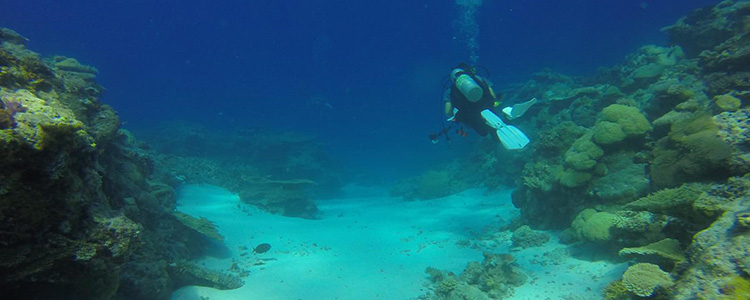
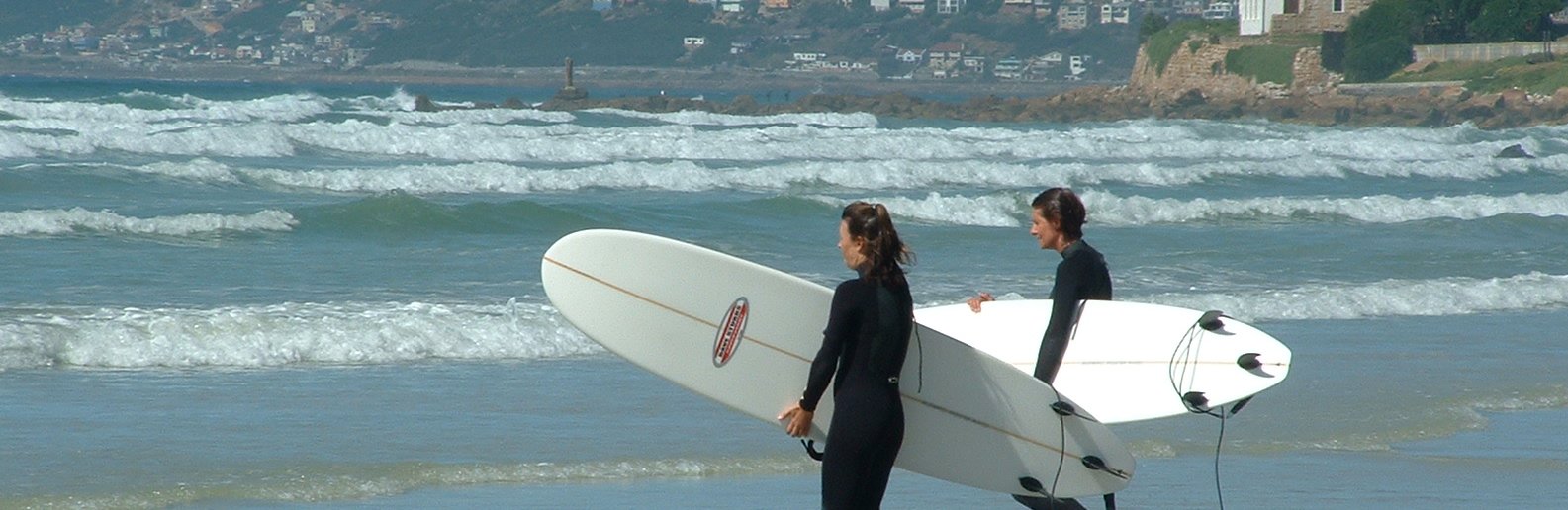
  • Activities spotting: mountain climbing, multi-day trekking, visiting cities, viewing castles and playing knight, snorkeling, surfing, winter sports, water sports (canyoning, canoeing, rafting etc) and of course eating, eating, eating. 
  • Nature spotting: the deepest gorge in Europe - Gorge du Verdon, the highest mountain in Western Europe - Mont Blanc, Calanques national Park for bizarrely beautiful cliffs and clear blue water, the wetlands of Camargue with flamingos (!), Île de Ré, the Vosges, Pyrenees, Corsica and much, much more. 
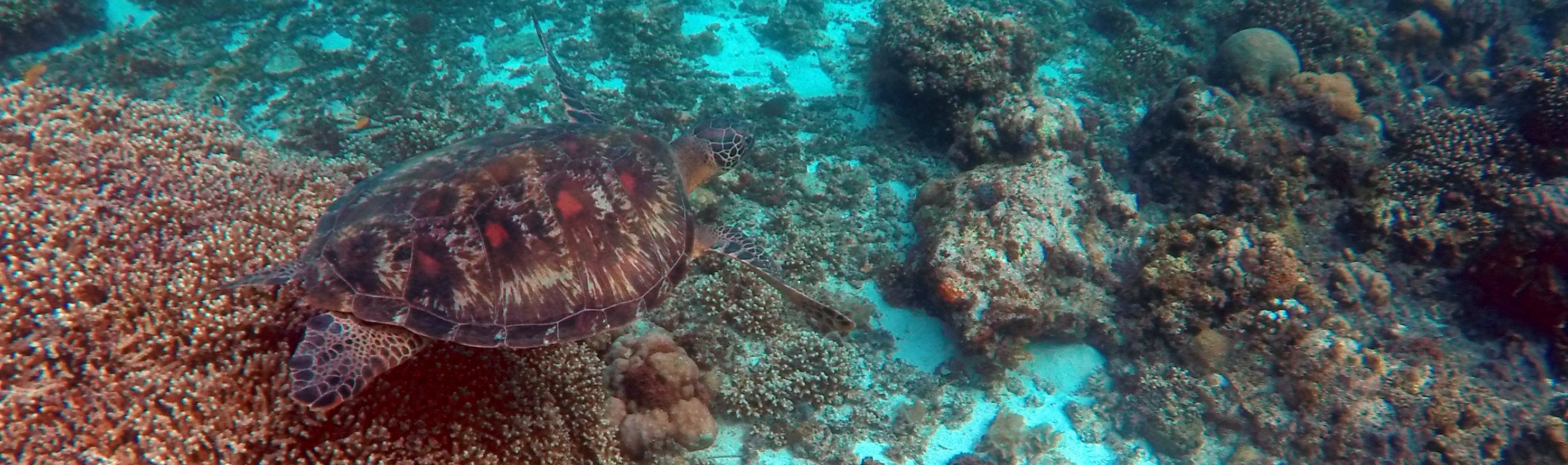
  • Animal spotting: Iberian wolf, brown bear, red deer, lammergeier, lynx, Alpine ibex, Corsican muflon, fire salamander, beaver, dolphins and whales and, of course, the flamingo. 

Study in France?

  • Education in France: higher education in France is internationally well regarded, it is also relatively inexpensive for EU students. 
  • Language: teaching is mainly in French. However, nowadays there are also many programs in English, especially at Master level. 
  • Studies: there is a wide range of educational opportunities. 
  • Study cities: Paris, Lyon, Toulouse, Montpellier, Grenoble, etc. 
  • Study culture: there is a lot of focus on theoretical knowledge, independence and (critical) student participation, but of course there are also the lively discussions accompanied by a delicious glass of wine. Furthermore, the culture is more formal than you are used to, with a hierarchical relationship between teachers and students. 
  • Language learning: depending on your field of study, you don't need to learn French, but it will help tremendously in your social life! 

Internship in France?

  • Internships: there are an awful lot of internship opportunities, from research internships at universities to professional and international internships at all kinds of companies and organizations. France is also known for art and culture, so there are many internships in this sector as well. 
  • Internship cities: Paris, Lyon, Toulouse, Marseille, Bordeaux, Lille.
  • Characteristics: many options, opportunities for paid internships, competitive and good for your resume. 
  • Competencies: English language skills, critical thinking, experience with hierarchical and business manners, learning to appreciate a long lunch break (with a glass of wine).  

Volunteering in France?

  • Volunteer work can be found in social organizations, conservation projects, cultural events, humanitarian aid, agriculture, tourism, education and health care, among others.
  • Animals/nature projects: especially focusing on stray animals. 
  • Characteristics: full-time volunteering can be found mainly through individuals and volunteering websites that individuals can sign up for. 

Work in France?

  • Jobs: you can find all kinds of jobs in France. From temporary jobs (for which you often need to know some French) to long-term work for companies, NGOs etc. And the great thing is, you don't need a special visa! 
  • Work culture: on the work floor you will find clear hierarchical structures and formal communication. Quite different from the Netherlands. On the other hand, the work-life balance is very important with a shorter working week (35 hours) and relatively many vacations! Social networks and personal relationships are important, and you get good long lunch breaks to work on these!
  • Characteristics: many opportunities, formal, social and personal, good private-work balance. 

Working as a digital nomad in France?

  • A great country for digital nomads, with everything you could wish for, can be a bit pricey though, depending on where you stay.
  • Favorite locations: Paris, Bordeaux, Montpellier, Dijon, Lyon.
  • Features: it's not cheap, but it's cozy and nice. The facilities are good and you can alternate your digital nomad life with long lunches and lots of adventures. 

Living in France?

  • France is a beautiful country to live in with a region of interest for everyone. It is not for nothing that many Dutch people move to France! It does help to speak the language, because the French are known for their stubbornness and pride regarding their culture and language.
  • Language: if you want to get by in the countryside and smaller towns, really make sure you speak a word of French. In the cities, you can usually get by with English as well. 
  • Quality of life: the quality of life is high. There is a good work-life balance, excellent public facilities and a relaxed lifestyle. There is also an awful lot to do wherever you are. The cost of living varies greatly depending on the region. 
  • Culture: a mixture of cordiality to friends and family and formal etiquette and politeness in professional contexts. 
  • Characteristics: lots to do, easy to travel and good connections with other countries, delicious food, French is important and warm connections. 
  • Health care: the quality of health care is excellent, with both public and private institutions. Do arrange your own (international) health insurance well.


France Country Bundle: suggestions, stories and tips

France Country Bundle: suggestions, stories and tips

Image

Content about France on WorldSupporter

France: Updates & Travel

France: Updates & Travel

Travel in France?

  • France is and always has been a wonderful vacation country for everyone. Enjoy the good French food and wine. Relax in the French countryside with all its castles or on the Côte d'Azur. Make a Tour de France along Lille, Strassbourg, Dijon, Epernay, Paris (the Eifel Tower), Versailles, Normandy, the Loire castles, Vichy, the Dordogne, Biarritz, Toulouse, Montpellier, Avignon, Corsica, Saint Tropez, Embrun and Chamonix.

Updates 

  • More about France, updates and contributions, see the link below.
How does healthcare work in France, and what travel insurance, health insurance or expat insurance do you need?

How does healthcare work in France, and what travel insurance, health insurance or expat insurance do you need?

How does the healthcare system work in France?

What is the quality of healthcare in France?

  • Healthcare in France is among the best in the world. The country also has one of the most accessible healthcare systems in the world, including for expats.
  • The language barrier can be a problem. In Paris, you will certainly find hospitals where doctors speak English, but outside the big city this can be different.
  • The country has a two-tier healthcare system with both public and private providers. All healthcare, both public and private, is accessible to everyone.
  • Most general practitioners are available during the day and on weekdays. If you have problems outside office hours, there are other doctors who can help you via the Maisons médicales de garde (MMG). To do this, call the nearest police station (gerdarmerie), who will refer you to a doctor. This often costs extra, but it can be reimbursed by your insurance.
  • There are many pharmacies in France, the buildings with a large red or green cross. In the big cities you can even find 24-hour pharmacies. You can also get simple medication such as paracetamol from supermarkets.
  • The emergency medical services are fast and reliable and are run by the Service d'Aide Médicale d'Urgence (SAMU). Call 112 in case of general emergency, or 15 for the SAMU.

How does the public healthcare system work in France?

  • Public health care in France is of very good quality. The system works, there are usually no long waiting times, making appointments is easy and care is affordable.
  • In France, the majority of hospitals are public and non-profit.
  • The public health care system, Protection Maladie Universelle (PUMA), offers universal health care to more than 95% of the inhabitants, including foreigners. Hospital care, rehabilitation and physiotherapy, specialist care, maternity care, preventive care for children, diagnostic services and medicines are all covered under this system. It even provides coverage for alternative therapies such as acupuncture, homeopathy and chiropractic.
  • There is a public health insurance scheme available in France, the Caisse Primaire Assurance Maladie (CPAM). Expats in France, people who are retired in their home country and self-employed people who contribute can all use the scheme if they are staying in France for more than three months. The first three months must be covered by private health insurance. To register, you must go to your local social security office. Sometimes your employer will do this.
  • In general, the health system covers 70, 80 or even 100% of the costs.
  • Once you are registered with the public health system, you can apply for a health insurance card (carte vitale). This contains all the administrative information that healthcare institutions need. This card needs to be updated once a year, or when your details change (such as a new job, different doctor, new address, etc.).

  • EU citizens can use their European Health Insurance Card (EHIC) for short visits to access the public healthcare system, UK residents can use their Global Health Insurance Card (GHIC).
  • The majority of the costs are covered by the public health insurance. In some cases, an additional contribution is requested when visiting a GP or when staying in hospital.

How does the private healthcare system work in France?

  • Although public insurance covers a lot, there are also things that are not covered, such as extensive dental care. For this reason, the majority of the population also has voluntary, private health insurance, often offered by the employer. This insurance can be taken out with a non-profit company, which is then called l’assurance complémentaire santé or mutuelle.
  • Emigrants must have private health insurance for the first three months in France before they can register with the public system. People who are not entitled to public health insurance at all must take out private health insurance for the time they are in France.

How is the general practitioner arranged in France?

  • When you register for public health insurance, you also immediately choose your family doctor, or médecin traitant. If you do not do this, you will pay higher costs later. Children usually have the same family doctor as their parents.
  • In France, you choose your own family doctor and hospital. It is also easy to change doctors and hospitals. General practices, called cabinets in French, are often run by multiple doctors.
  • It can be difficult to find an English-speaking doctor. Check if your embassy has a list of English-speaking doctors, or look at the Australian or American embassies, for example.
  • You can also go to a specialist in France without a referral from your GP, but then the full costs will not be reimbursed.

How is the dentist arranged in France?

  • Dental care, like the rest of the healthcare, is of very good quality. In recent years, the number of dentists has increased. You are free to choose your own dentist.
  • The healthcare system divides dentists into contracted or non-contracted (conventionnes or non-conventionne). The first group is also divided into sector 1 and 2. Sector 1 dentists adhere to the rates set by the government, sector 2 choose their own rates, but adhere to government regulations. Sector 3 dentists are completely free and the most expensive. They are also hardly reimbursed by social insurance.
  • Most dentists work in the public sector. Children in the public sector receive mandatory and free dental care at the ages of 6, 9, 12, 15 and 18.
  • Basic dental care is mostly covered by public insurance, but more complex care is not. Many dentists also charge more than what the government recommends, which makes the costs high. For this reason, many French and foreigners take out private insurance.

How is pregnancy care arranged in France?

  • Once you are pregnant and have had your first examination by the gynaecologist, you will receive a document called declaration de grossesse (proof of pregnancy). You need this document to declare the healthcare costs during and after your pregnancy. You must send the document to the Caisse d’Assurance Maladie and the Caisse d’allocations familiales before your 14th week of pregnancy.
  • After the first check-up, you are entitled to 8 further check-ups during the pregnancy. For this, you will receive a pregnancy booklet in which all the details will be entered.
  • Most women give birth in the hospital, the public health insurance covers all costs for the first 12 days in hospital. Deliveries in a private hospital cost up to 5000 euros without insurance.
  • For home births, it is difficult to obtain full insurance coverage because of the risks. However, the social insurance covers part of the costs.
  • Abortion is legal up to and including 12 weeks of pregnancy, or later if the birth poses a risk to the mother or the child. The emergency contraceptive pill, contraception d’urgence, can be purchased at the pharmacy.

How safe or unsafe is a trip or stay in France?

What should you pay attention to in terms of safety in France?

  • France is generally safe, but in major cities such as Paris, Marseille and Lyon, opportunistic crime such as pickpocketing and petty theft is more common. Tourist areas such as the Eiffel Tower, Montmartre and train stations can be hotspots, including for scams.
  • In urban areas and suburbs, there is a slight risk of burglary. Good locks and security systems are recommended.
  • France is known for its frequent strikes and protests, which sometimes involve disruptions to public transport.
  • Do not leave valuables visible in your car or bag.
  • Keep copies of important documents such as passports and IDs.
  • Download apps such as "SAIP" or other local alert tools to stay informed of emergencies.

What should you look out for in terms of diseases in France?

  • Tap water is of good quality and food hygiene is generally excellent.
  • Heat waves can occur during the summer months, especially in the South of France. Stay hydrated and avoid the sun during the hottest hours.
  • Tick bites are particularly common in wooded areas in the Alps, Pyrenees and other rural areas. Check your skin after walks.
  • In larger cities such as Paris, air pollution can be a problem, especially for people with respiratory conditions.

What should you pay attention to when it comes to traffic in France?

  • France has an excellent road network, including motorways (autoroutes). Many motorways are toll roads, which incur additional costs.
  • France also has relatively good road safety records, but be extra careful in mountainous areas or on narrow, rural roads.
  • The rules are strictly enforced. Speed ​​cameras are everywhere, and fines for speeding can be high.
  • The blood alcohol limit is 0.5 per mille. For novice drivers, the limit is 0.2 per mille. Alcohol checks are frequent.
  • Parking in cities is difficult and often expensive. If possible, park in underground garages to avoid fines or damage.
  • Always carry a warning triangle and reflective vest (and breathalyser kit) in your car. This is a legal requirement.
  • Drive carefully in mountainous areas during the winter months, where snow chains may be necessary.
  • Cities such as Strasbourg and Bordeaux are bike-friendly. Make sure you have lights and be aware of cars in busy cities. The French TGV network is fast and reliable for long distances. However, local trains can be delayed, especially during strikes.
  • In large cities such as Paris, public transport is efficient, but in rural areas it is less frequent and a car is better.
  • In cities, taxis and Uber are available, but taxis can be more expensive than expected.

What work and travel insurance policies are suitable for short and long stays in France?

  • Is the trip to France and your return sufficiently covered? Are you sufficiently covered before, during and after your activities? Which insurance best suits your trip and your activity? Read more about insurances for abroad on JoHoinsurances.org.


What emigration and expat insurance can you take out for France if you are going to live there for a while?

  • Health insurance is mandatory in France. If you stay longer than three months, you must register with the national health system. If you stay for a shorter period, you must arrange your own health insurance if you need a visa (for example, if you come from outside the EU). Nevertheless, many locals and foreigners purchase private health insurance anyway in order to benefit from 100% coverage of healthcare costs and to be covered in other countries and for medical repatriation.
  • Read more about insurances for abroad on Expatinsurances.org.


Packing list for France, travel insurance for France, and taking your belongings

Packing list for France, travel insurance for France, and taking your belongings

What to take with you to France: spotlighted

Featured items:
  • Documents: passport or ID card, copy. Driving license, when you are going to drive around and your European health insurance card.
  • Money: euros, but you can certainly withdraw cash everywhere in the cities.
  • Care: sunscreen with a high factor for the summer and skiing. It can't hurt on sunny days in the other seasons either. Lip balm.
  • Outdoor and practical items: cap or hat and sunglasses in the summer. Raincoat and warm winter accessories for the winter. Backpack rain cover.
  • Clothing: varied clothing for all weather conditions. Layers are handy, because you can take all conditions with you. Summer usually requires airy clothing, winter very warm clothing. Swimwear for your beach holiday.
  • Shoes: nice walking shoes/sneakers for in the city and sandals for the summer. Are you going into the mountains or to Corsica? Then take sturdy walking shoes with you.
  • Medicines and travel kit: a small first aid kit with plasters.
  • Technology and equipment: world plug with type E.
What are some other options for packing as well?
  • Reusable water bottle with filter, because tap water is technically drinkable, but often tastes strange.
  • Nice umbrella and a picnic basket to blend in with the locals.
  • Quick-drying travel towel.
  • A personal fan for summers in the south.

Are there mosquitoes in France?

  • Yes, there are mosquitoes (even the tiger mosquitoes), but the French moustiques are generally not dangerous!
  • The mosquitoes are at most annoying in the summer, diseases sometimes occur in the south of France these days.

Are there sandflies in France?

  • Sand flies (phlébotomes) are found in France and they can transmit diseases.
  • Diseases are mainly found in the Mediterranean region. Sand flies are also mainly found in rural and wooded areas.
  • Due to climate change, sand flies are advancing north.

Can you buy DEET, or other mosquito repellents, in France?

  • You can easily buy mosquito repellents in France, also with DEET.
  • Find a pharmacy, outdoor store or large supermarket.
  • Several brands are available like Puressentiel, Cinq sur cinq, Insect Ecran, Autan, and Moustifluid (sprays, creams, and wipes, often formulated with DEET or IR3535, or using natural active ingredients).

Can you buy a joint or weed in France, or take it with you to France?

  • No. Cannabis is illegal in France. Even for tourists. Even when you act cool, even when you are in Paris.
  • Possession of cannabis can lead to a fine, police interrogation or worse. Probably not the French experience you are looking for.
  • CBD products are available, but with low THC levels. Taking it with you is not a good idea.

Image

Why get specific insurance when going abroad: per activity abroad
Why should you take out specialized travel insurance for a long trip abroad?

Why should you take out specialized travel insurance for a long trip abroad?

What is round the world travel insurance or long-term travel insurance?

  • Round the world travel insurance means that you take out insurance that continues to provide coverage during all your activities abroad, and which is specifically intended for those who travel for long periods of time, such as world travelers, globetrotters, and nomads.

Why should you take out specialized travel insurance for a long trip abroad?

  • Round the world travel insurance provides coverage for a much longer trip than regular travel insurance.
  • World travel insurance is specifically intended for longer trips, whereas regular travel insurance may offer coverage on paper, but in practice handles it differently.
  • World travel insurance is suitable for many types of activities, ranging from high-altitude trekking to more risky sports.
  • World travel insurance continues to provide coverage if you start working during your trip, whether planned or unplanned. If you did not take out insurance before departure that allows you to work, there is no guarantee that you will be able to take out insurance that provides coverage while abroad.
  • Long-term travel insurance continues to provide coverage when your home country's health insurance no longer does.
  • Worldwide travel insurance also covers your medical expenses up to the actual cost, and not just for the standard costs. The costs per medical treatment vary greatly between countries.
  • Worldwide travel insurance can also continue to provide coverage if negative travel advice is issued.

What is important to insure when you are going to travel around the world?

  • That you have insurance that is valid in the countries where you are going to travel and posibly work.
  • That you are adequately insured for the sports and activities you are going to participate in during your full period abroad
  • That you are insured for emergency assistance and early return if something happens to you or your immediate family.
  • That your medical expenses are insured up to the actual cost and not just for the standard costs. The costs per medical treatment vary greatly between countries.
  • That you insure your luggage and take sufficient precautions against theft or damage.
  • That you are well insured against personal liability.
  • That you are well insured in case of accidents.
  • That you only insure yourself for legal assistance if there is an immediate reason to do so, unless coverage is already automatically included in the insurance.
  • That you pay close attention to choosing the right coverage when performing work or voluntary work during your world trip.

Check out more about

Why should you take out specific insurance when you go on a trip or vacation?

Why should you take out specific insurance when you go on a trip or vacation?

What is insurance for traveling abroad?

  • Travel insurance is insurance that provides coverage for risks during a trip or vacation abroad. This mainly concerns loss of or damage to your luggage, medical assistance, or repatriation costs if you need to be transported back home urgently. In some cases, travel insurance coverage also applies on domestic trips.
  • With annual travel insurance or multi-trip travel insurance, you are insured for all your trips throughout the year.
  • With temporary travel insurance or single-trip travel insurance, you take out insurance for each trip for the duration of the trip.
  • Cancellation insurance reimburses (all or part of) the travel sum, cancellation or accommodation costs if you have to cancel or interrupt your vacation.

Why should you take out travel insurance for a short trip, vacation, or long-distance trip?

  • Travel insurance can provide coverage in the event of an accident or emergency while you are abroad.
  • Travel insurance can provide coverage for damage and accidents during the adventurous or sporting activities you plan to do.
  • Travel insurance can continue to provide coverage if your health insurance no longer provides coverage, or if the damage is only reimbursed at cost price of your home country.
  • Travel insurance can provide coverage in the event of damage, loss, or theft of your luggage.
  • Travel insurance can provide coverage if you are held liable for damage you cause to other people or their property.
  • Travel insurance can provide coverage if you have to return home early because something has happened to you or your immediate family.

What is important to insure when you are going to travel abroad?

  • That you have insurance that is valid in the country or countries that you are going to visit.
  • That you are adequately insured for the sports and activities you are going to participate in during your period abroad.
  • That you are insured for emergency assistance and early return if something happens to you or your immediate family.
  • That your medical expenses are insured up to the actual cost and not just for the standard costs. The costs per medical treatment vary greatly between countries.
  • That you insure your luggage and take sufficient precautions against theft or damage.
  • That you are well insured against personal liability.
  • That you are well insured in case of accidents.
  • That you only insure yourself for legal assistance if there is an immediate reason to do so, unless coverage is already automatically included in the insurance.
  • That you pay close attention to choosing the right coverage when performing work alongside your travels.

Check out more about international insurances

Why should you take out specialized travel insurance for working abroad?

Why should you take out specialized travel insurance for working abroad?

Why should you take out specialized travel insurance for paid work, voluntary work or an internship abroad?

  • There may be several reasons why you need separate insurance when working abroad.
  • During work, internships, or volunteer work abroad where you receive financial compensation (or, for example, food or housing), your national health insurance coverage may expire. You will then need special insurance to remain insured for illness and accidents.
  • During specific work abroad, additional requirements may apply if your work involves additional risks. Only specific insurance policies offer coverage during this type of work.
  • During your work, the risk of accidents is sometimes greater, for example because you are doing work with which you have little experience or because of the nature of the work.
  • During your work, local employers generally offer no or limited insurance that provides insufficient coverage.

What is important to insure when you are going to work abroad?

  • That you have insurance that is valid in the country or countries where you are going to travel and work.
  • That you are adequately insured for the sports and activities you are going to participate in during your period abroad
  • That you are insured for emergency assistance and early return if something happens to you or your immediate family.
  • That your medical expenses are insured up to the actual cost and not just for the standard costs. The costs per medical treatment vary greatly between countries.
  • That you insure your luggage and take sufficient precautions against theft or damage.
  • That you are well insured against personal liability.
  • That you are well insured in case of accidents.
  • That you only insure yourself for legal assistance if there is an immediate reason to do so, unless coverage is already automatically included in the insurance.
  • That you pay close attention to choosing the right coverage when performing work.

Check out more about international insurances

Why should you take out specialized travel insurance for volunteering abroad?

Why should you take out specialized travel insurance for volunteering abroad?

What is insurance for volunteering abroad?

  • Insuring volunteer work abroad means taking out insurance that continues to provide coverage while you are working as a volunteer abroad

Why should you take out specialized travel insurance for voluntary work abroad?

  • There may be several reasons why you need separate insurance when volunteering abroad.
  • During specific activities abroad, additional requirements may apply if your work involves extra risks. Only specific insurance policies offer coverage during these activities.
  • The risk of accidents is sometimes higher during your work, for example because you are doing work you have little experience with or because of the nature of the work.
  • Local projects or employers generally offer no or limited insurance that provides insufficient coverage during your work.
  • When volunteering abroad and receiving minor financial compensation (or, for example, food or housing), your home country's health insurance coverage will potentially lapse. You will then need special insurance to remain insured for illness and accidents.
  • Regular travel insurance policies generally provide coverage for trips of a limited number of days. If your trip or stay abroad exceeds the maximum number of days, this generally means that for the entire travel period, you will not be covered.
  • Regular travel insurance policies generally only provide coverage for recreational travel without voluntary work activities. If you engage in activities other than recreational activities (such as volunteer work), this generally means that for the entire travel period, you will not be covered.

What is important to insure when you are going to work as a volunteer abroad?

  • That you have insurance that is valid in the country or countries where you are going to travel and volunteer.
  • That you are adequately insured for the sports and activities you are going to participate in during your period abroad
  • That you are insured for emergency assistance and early return if something happens to you or your immediate family.
  • That your medical expenses are insured up to the actual cost and not just for the standard costs. The costs per medical treatment vary greatly between countries.
  • That you insure your luggage and take sufficient precautions against theft or damage.
  • That you are well insured against personal liability.
  • That you are well insured in case of accidents.
  • That you only insure yourself for legal assistance if there is an immediate reason to do so, unless coverage is already automatically included in the insurance.
  • That when performing work in healthcare, with wild animals, and with dangerous (agricultural) machinery, you take care to choose the right coverage.

Check out more about international insurances

Why should you take out specialized travel insurance for an internship abroad?

Why should you take out specialized travel insurance for an internship abroad?

What is insurance for an internship abroad?

  • Insuring an internship abroad means taking out insurance that continues to provide coverage during your internship abroad
  • Insurance for internships abroad are also referred to as internship insurance. This internship insurance is specifically for when you go abroad for a long period of time to work as an intern, take courses, or conduct research abroad.

Why should you take out specialized travel insurance for an internship abroad?

  • There may be several reasons why you need separate insurance for an internship abroad.
  • During internship activities abroad, additional requirements may apply as soon as you start performing work that involves additional risks. Only specific insurance policies offer coverage during these activities.
  • During your internship, the risk of accidents is sometimes greater, for example because you are doing work with which you have little experience or because of the nature of the work.
  • During your internship, local employers generally do not offer insurance, or offer limited insurance that does not provide sufficient coverage.
  • During an internship abroad where you receive financial compensation (or, for example, food or accommodation), your home country's health insurance coverage will potentially lapse. You will then need special insurance to remain insured for illness and accidents.
  • Regular travel insurance policies generally provide coverage for trips of a limited number of days. If your trip or stay abroad exceeds the maximum number of days, this generally means that for the entire travel period, you will not be covered.
  • Regular travel insurance policies generally only provide coverage for recreational trips without work activities.

What is important to insure when you are going to be an intern abroad?

  • That you have insurance that is valid in the area where you will be traveling and doing your internship.
  • That you are adequately insured for the sports and activities you will be participating in.
  • That you are insured for emergency assistance and early return in case something happens to you or your immediate family.
  • That your medical expenses are insured up to the actual cost (what it actually costs), and not just for the standard costs. The costs per medical treatment vary greatly between countries.
  • That you insure your luggage and take sufficient precautions against theft or damage.
  • That you are well insured against personal liability and, preferably, also for liability during your internship.
  • That you are well insured in case of accidents.
  • That you insure yourself for legal assistance if there is an immediate reason to do so, unless the coverage is already automatically included in the insurance.
  • Make sure you choose the right coverage for internship work in healthcare, with wild animals, or with dangerous machinery!

Check out more about international insurances

Why should you take out specialized travel insurance for studying abroad?

Why should you take out specialized travel insurance for studying abroad?

What is insurance for studying abroad?

  • Insurance for studying abroad means that you take out insurance that continues to provide coverage during your studies, your education, and your related activities abroad.
  • Insurance for studying abroad is also referred to as study insurance. This study insurance is specifically for when you go abroad for a long period of time to take courses, study, or conduct research abroad.

Why should you take out specialized travel insurance for a study abroad?

  • Study insurance is specifically designed for studying abroad, whereas regular travel insurance policies may offer coverage on paper but handle this situation differently in practice.
  • Study insurance offers coverage for longer stays than regular (vacation) travel insurance.
  • Study insurance is also suitable for many types of activities, ranging from various sports to hiking at high altitudes.
  • Study insurance continues to provide coverage if you start working during your trip, whether planned or unplanned. If you have not taken out insurance before departure that allows you to work, there is no guarantee that you will be able to take out insurance abroad that provides coverage.
  • Study insurance continues to provide coverage if your own country's health insurance no longer provides coverage.
  • Student insurance also covers your healthcare costs above the rates in your own country; with regular insurance, you have to pay the extra costs yourself.
  • Student insurance can also continue to provide coverage if (study) visa issuers impose additional requirements on how you insure yourself, for example if you are going to the US and applying for a J-1 visa.
  • Student insurance continues to provide coverage if you are staying abroad for a longer period of time and want to visit your own country in between.

What is important to insure when you are going to study abroad?

  • That you have insurance that is valid in the country or countries where you are going to travel and work.
  • That you are adequately insured for the sports and activities you are going to participate in during your period abroad
  • That you are insured for emergency assistance and early return if something happens to you or your immediate family.
  • That your medical expenses are insured up to the actual cost and not just for the standard costs. The costs per medical treatment vary greatly between countries.
  • That you insure your luggage and take sufficient precautions against theft or damage.
  • That you are well insured against personal liability.
  • That you are well insured in case of accidents.
  • That you only insure yourself for legal assistance if there is an immediate reason to do so, unless coverage is already automatically included in the insurance.
  • That you pay close attention to choosing the right coverage when performing work alongside your studies.

Check out more about international insurances

Why should you take out specialized insurance for moving abroad as an emigrant or an expat?

Why should you take out specialized insurance for moving abroad as an emigrant or an expat?

What is an emigration insurance and what is an expat insurance?

  • Emigration insurance is an insurance that continues to provide coverage if you move abroad permanently or for an indefinite period of time.
  • Emigration insurance is not only intended for emigrants, but for anyone who leaves their home country for an extended period of time and does not intend to return in the foreseeable future.
  • Expat insurance is insurance that continues to provide coverage if you go to work abroad for a local or international employer for an extended period of time.
  • Expat insurance is not only intended for expats, but for anyone who has a more permanent job abroad.

Why should you take out specialized insurance for emigration or working as an expat abroad?

  • Emigration or expat insurance not only provides coverage for acute assistance in the event of illness or accident abroad, such as travel insurance, but can also provide coverage for existing conditions and ailments or non-urgent care.
  • Emigration or expat insurance does not require you to maintain valid health insurance in your home country.
  • Emigration or expat insurance provides coverage for preventive care or costs related to pregnancy and childbirth.
  • Emigration or expat insurance also provides coverage for long-term treatments and chronic conditions without you having to return to your home country.
  • Emigration or expat insurance often has no restrictions on the duration of the insurance, unlike travel insurance.
  • Emigration or expat insurance usually maintains coverage in cases such as negative travel advice or acts of war.
  • Emigration or expat insurance offers various solutions in the areas of disability, home and household insurance, goods transport, and liability.

What is important to insure when you are going to move abroad?

  • That you have insurance that is valid in the country or countries where you are going to live and/or work.
  • That you are adequately insured for the sports and activities you are going to participate in during your period abroad
  • That you are insured for emergency assistance and early return if something happens to you or your immediate family.
  • That your medical expenses are insured up to the actual cost and not just for the standard costs. The costs per medical treatment vary greatly between countries.
  • That you are well insured against personal liability.
  • That you are well insured in case of accidents.
  • That you pay close attention to choosing the right coverage when performing work with additional health risks

Check out more about international insurances

Why should you take out travel insurance and why through the JoHo Foundation?

Why should you take out travel insurance and why through the JoHo Foundation?

Why Insurances through JoHo

  • Specialized: in emigration, work, internships, study and travel abroad.

  • Service: JoHo offers multiple travel insurances by multiple companies. Thanks to JoHo's extensive experience, it can offer support in case of problems with insurers, as well as advice and fast and personal handling.

  • Safe: JoHo is recognized as a trustworthy intermediary for insurances.

  • Social: by purchasing an insurance through JoHo you provide a talented student in The Philippines with health insurance

Why Should You Take Out A Travel Insurance?

  • The chance of getting injured or ill is generally higher than when you would have stayed at home. The medical care you will need can be very expensive, even more so if you are treated in a private clinic.

  • If you have to fly back because of family circumstances, the flights might be more expensive than your original flight because you have to fly on short notice.

  • You might have to deal with the damage, loss or theft of your luggage.

  • In case of emergency it can be difficult to figure out what to do. A good travel insurance will have an assistance team on standby for you 24/7 and will be able to tell you what steps to take.

Why Should You Specifically Take Out A Travel Insurance For A Long Trip Abroad?

  • Often regular travel or health insurances only cover trips for a maximum number of days (for example 60, 90 or 180 days).

  • Depending on your home country, your health insurance might not offer any coverage for treatment abroad.

  • During a long trip you might consider specific activities, like paid work or volunteering. Regular travel insurances often don’t cover these kind of activities. The same goes for adventurous/ hazardous sports like skydiving, scuba-diving and bungee jumping.

More on why to use JoHo

  • JoHo is one of the few organizations where you can directly purchase a comprehensive range of foreign insurances from a variety of insurers. As with our other products and services, we believe that you should be able to choose between the best, the most cost effective and the most specialized insurance.

  • JoHo offers various possibilities from combining insurances to assisting in transferring from one insurer to another.

  • When you purchase an insurance policy through JoHo, you will not pay more than if you had purchased it directly from the insurer. Sometimes (through special collective agreements) you will even pay less.

  • JoHo offers support with problems that may arise with the insurer. Sometimes disagreement with claims, cancellation notice or insurance premiums can occur. In this situation it helps if you have the assistance of an organization who has an established relationship with the insurer.


Read more about JoHo and JoHo Insurances

Image

Safety, insurances and packing list for France

How does healthcare work in France, and what travel insurance, health insurance or expat insurance do you need?

How does healthcare work in France, and what travel insurance, health insurance or expat insurance do you need?

How does the healthcare system work in France?

What is the quality of healthcare in France?

  • Healthcare in France is among the best in the world. The country also has one of the most accessible healthcare systems in the world, including for expats.
  • The language barrier can be a problem. In Paris, you will certainly find hospitals where doctors speak English, but outside the big city this can be different.
  • The country has a two-tier healthcare system with both public and private providers. All healthcare, both public and private, is accessible to everyone.
  • Most general practitioners are available during the day and on weekdays. If you have problems outside office hours, there are other doctors who can help you via the Maisons médicales de garde (MMG). To do this, call the nearest police station (gerdarmerie), who will refer you to a doctor. This often costs extra, but it can be reimbursed by your insurance.
  • There are many pharmacies in France, the buildings with a large red or green cross. In the big cities you can even find 24-hour pharmacies. You can also get simple medication such as paracetamol from supermarkets.
  • The emergency medical services are fast and reliable and are run by the Service d'Aide Médicale d'Urgence (SAMU). Call 112 in case of general emergency, or 15 for the SAMU.

How does the public healthcare system work in France?

  • Public health care in France is of very good quality. The system works, there are usually no long waiting times, making appointments is easy and care is affordable.
  • In France, the majority of hospitals are public and non-profit.
  • The public health care system, Protection Maladie Universelle (PUMA), offers universal health care to more than 95% of the inhabitants, including foreigners. Hospital care, rehabilitation and physiotherapy, specialist care, maternity care, preventive care for children, diagnostic services and medicines are all covered under this system. It even provides coverage for alternative therapies such as acupuncture, homeopathy and chiropractic.
  • There is a public health insurance scheme available in France, the Caisse Primaire Assurance Maladie (CPAM). Expats in France, people who are retired in their home country and self-employed people who contribute can all use the scheme if they are staying in France for more than three months. The first three months must be covered by private health insurance. To register, you must go to your local social security office. Sometimes your employer will do this.
  • In general, the health system covers 70, 80 or even 100% of the costs.
  • Once you are registered with the public health system, you can apply for a health insurance card (carte vitale). This contains all the administrative information that healthcare institutions need. This card needs to be updated once a year, or when your details change (such as a new job, different doctor, new address, etc.).
  • EU citizens can use their European Health Insurance Card (EHIC) for short visits to access the public healthcare system, UK residents can use their Global Health Insurance Card (GHIC).
  • The majority of the costs are covered by the public health insurance. In some cases, an additional contribution is requested when visiting a GP or when staying in hospital.

How does the private healthcare system work in France?

  • Although public insurance covers a lot, there are also things that are not covered, such as extensive dental care. For this reason, the majority of the population also has voluntary, private health insurance, often offered by the employer. This insurance can be taken out with a non-profit company, which is then called l’assurance complémentaire santé or mutuelle.
  • Emigrants must have private health insurance for the first three months in France before they can register with the public system. People who are not entitled to public health insurance at all must take out private health insurance for the time they are in France.

How is the general practitioner arranged in France?

  • When you register for public health insurance, you also immediately choose your family doctor, or médecin traitant. If you do not do this, you will pay higher costs later. Children usually have the same family doctor as their parents.
  • In France, you choose your own family doctor and hospital. It is also easy to change doctors and hospitals. General practices, called cabinets in French, are often run by multiple doctors.
  • It can be difficult to find an English-speaking doctor. Check if your embassy has a list of English-speaking doctors, or look at the Australian or American embassies, for example.
  • You can also go to a specialist in France without a referral from your GP, but then the full costs will not be reimbursed.

How is the dentist arranged in France?

  • Dental care, like the rest of the healthcare, is of very good quality. In recent years, the number of dentists has increased. You are free to choose your own dentist.
  • The healthcare system divides dentists into contracted or non-contracted (conventionnes or non-conventionne). The first group is also divided into sector 1 and 2. Sector 1 dentists adhere to the rates set by the government, sector 2 choose their own rates, but adhere to government regulations. Sector 3 dentists are completely free and the most expensive. They are also hardly reimbursed by social insurance.
  • Most dentists work in the public sector. Children in the public sector receive mandatory and free dental care at the ages of 6, 9, 12, 15 and 18.
  • Basic dental care is mostly covered by public insurance, but more complex care is not. Many dentists also charge more than what the government recommends, which makes the costs high. For this reason, many French and foreigners take out private insurance.

How is pregnancy care arranged in France?

  • Once you are pregnant and have had your first examination by the gynaecologist, you will receive a document called declaration de grossesse (proof of pregnancy). You need this document to declare the healthcare costs during and after your pregnancy. You must send the document to the Caisse d’Assurance Maladie and the Caisse d’allocations familiales before your 14th week of pregnancy.
  • After the first check-up, you are entitled to 8 further check-ups during the pregnancy. For this, you will receive a pregnancy booklet in which all the details will be entered.
  • Most women give birth in the hospital, the public health insurance covers all costs for the first 12 days in hospital. Deliveries in a private hospital cost up to 5000 euros without insurance.
  • For home births, it is difficult to obtain full insurance coverage because of the risks. However, the social insurance covers part of the costs.
  • Abortion is legal up to and including 12 weeks of pregnancy, or later if the birth poses a risk to the mother or the child. The emergency contraceptive pill, contraception d’urgence, can be purchased at the pharmacy.

How safe or unsafe is a trip or stay in France?

What should you pay attention to in terms of safety in France?

  • France is generally safe, but in major cities such as Paris, Marseille and Lyon, opportunistic crime such as pickpocketing and petty theft is more common. Tourist areas such as the Eiffel Tower, Montmartre and train stations can be hotspots, including for scams.
  • In urban areas and suburbs, there is a slight risk of burglary. Good locks and security systems are recommended.
  • France is known for its frequent strikes and protests, which sometimes involve disruptions to public transport.
  • Do not leave valuables visible in your car or bag.
  • Keep copies of important documents such as passports and IDs.
  • Download apps such as "SAIP" or other local alert tools to stay informed of emergencies.

What should you look out for in terms of diseases in France?

  • Tap water is of good quality and food hygiene is generally excellent.
  • Heat waves can occur during the summer months, especially in the South of France. Stay hydrated and avoid the sun during the hottest hours.
  • Tick bites are particularly common in wooded areas in the Alps, Pyrenees and other rural areas. Check your skin after walks.
  • In larger cities such as Paris, air pollution can be a problem, especially for people with respiratory conditions.

What should you pay attention to when it comes to traffic in France?

  • France has an excellent road network, including motorways (autoroutes). Many motorways are toll roads, which incur additional costs.
  • France also has relatively good road safety records, but be extra careful in mountainous areas or on narrow, rural roads.
  • The rules are strictly enforced. Speed ​​cameras are everywhere, and fines for speeding can be high.
  • The blood alcohol limit is 0.5 per mille. For novice drivers, the limit is 0.2 per mille. Alcohol checks are frequent.
  • Parking in cities is difficult and often expensive. If possible, park in underground garages to avoid fines or damage.
  • Always carry a warning triangle and reflective vest (and breathalyser kit) in your car. This is a legal requirement.
  • Drive carefully in mountainous areas during the winter months, where snow chains may be necessary.
  • Cities such as Strasbourg and Bordeaux are bike-friendly. Make sure you have lights and be aware of cars in busy cities. The French TGV network is fast and reliable for long distances. However, local trains can be delayed, especially during strikes.
  • In large cities such as Paris, public transport is efficient, but in rural areas it is less frequent and a car is better.
  • In cities, taxis and Uber are available, but taxis can be more expensive than expected.

What work and travel insurance policies are suitable for short and long stays in France?

  • Is the trip to France and your return sufficiently covered? Are you sufficiently covered before, during and after your activities? Which insurance best suits your trip and your activity? Read more about insurances for abroad on JoHoinsurances.org.


What emigration and expat insurance can you take out for France if you are going to live there for a while?

  • Health insurance is mandatory in France. If you stay longer than three months, you must register with the national health system. If you stay for a shorter period, you must arrange your own health insurance if you need a visa (for example, if you come from outside the EU). Nevertheless, many locals and foreigners purchase private health insurance anyway in order to benefit from 100% coverage of healthcare costs and to be covered in other countries and for medical repatriation.
  • Read more about insurances for abroad on Expatinsurances.org.


Packing list for France, travel insurance for France, and taking your belongings

Packing list for France, travel insurance for France, and taking your belongings

What to take with you to France: spotlighted

Featured items:
  • Documents: passport or ID card, copy. Driving license, when you are going to drive around and your European health insurance card.
  • Money: euros, but you can certainly withdraw cash everywhere in the cities.
  • Care: sunscreen with a high factor for the summer and skiing. It can't hurt on sunny days in the other seasons either. Lip balm.
  • Outdoor and practical items: cap or hat and sunglasses in the summer. Raincoat and warm winter accessories for the winter. Backpack rain cover.
  • Clothing: varied clothing for all weather conditions. Layers are handy, because you can take all conditions with you. Summer usually requires airy clothing, winter very warm clothing. Swimwear for your beach holiday.
  • Shoes: nice walking shoes/sneakers for in the city and sandals for the summer. Are you going into the mountains or to Corsica? Then take sturdy walking shoes with you.
  • Medicines and travel kit: a small first aid kit with plasters.
  • Technology and equipment: world plug with type E.
What are some other options for packing as well?
  • Reusable water bottle with filter, because tap water is technically drinkable, but often tastes strange.
  • Nice umbrella and a picnic basket to blend in with the locals.
  • Quick-drying travel towel.
  • A personal fan for summers in the south.

Are there mosquitoes in France?

  • Yes, there are mosquitoes (even the tiger mosquitoes), but the French moustiques are generally not dangerous!
  • The mosquitoes are at most annoying in the summer, diseases sometimes occur in the south of France these days.

Are there sandflies in France?

  • Sand flies (phlébotomes) are found in France and they can transmit diseases.
  • Diseases are mainly found in the Mediterranean region. Sand flies are also mainly found in rural and wooded areas.
  • Due to climate change, sand flies are advancing north.

Can you buy DEET, or other mosquito repellents, in France?

  • You can easily buy mosquito repellents in France, also with DEET.
  • Find a pharmacy, outdoor store or large supermarket.
  • Several brands are available like Puressentiel, Cinq sur cinq, Insect Ecran, Autan, and Moustifluid (sprays, creams, and wipes, often formulated with DEET or IR3535, or using natural active ingredients).

Can you buy a joint or weed in France, or take it with you to France?

  • No. Cannabis is illegal in France. Even for tourists. Even when you act cool, even when you are in Paris.
  • Possession of cannabis can lead to a fine, police interrogation or worse. Probably not the French experience you are looking for.
  • CBD products are available, but with low THC levels. Taking it with you is not a good idea.

Image ACTIVITIES

Check courses, jobs, projects, recipes, suggestions and tips related to: 'France'

CHECK MORE ACTIVITIES

Make a selection, to find more tips than you see below

Image Going for winter sports: what is it, why do it, and where is the best place to go?
Going for winter sports abroad What are winter sports? Why should you go on winter sports abroad? What are the risks when going for winter sports abroad? Where is the...
Image Volunteer with an organization that helps people with intellectual disabilities
Get involved with an organization that helps people with intellectual disabilities! You will live and work together in one of the communities and help with daily...
Image Work as an au pair in France and support a family in raising their children
Work as an au pair in France and support a family in raising their children. This agency can help you find a host family in cities like Paris, Lyon and Nice but also in...
Image Learning French abroad: what is it, why should you do it and what is the best place to go?
Learning french abroad: what is it, why should you do it and what is the best place to go? What is a french language course? Why should you learn French and take a...
Image Natural Capital Week 2019
Natural Capital Week 2019 Leading organizations in the natural capital space will convene in Paris, France, for a week of events, discussions and networking on natural...
Image European Summer Schools 2026: an overview
Taking an accredited summer school course abroad is a convenient and interesting way to explore your new study subjects in an international context. Summer Schools in...
Image Geef Nederlandse taal- en cultuurlessen in Parijs
Wat: Leerkracht primair onderwijs Waar : Het Nederlands en Vlaams Taalcentrum (NVTC), Parijs Werkzaamheden : Voorbereiden en verzorgen van de Nederlandse taal- en...
Image Gastheer of -vrouw van chalet in winters vakantieoord in de Alpen of de Pyreneeën
Ontvang de gasten gastvrij in het hotel en draag bij aan een fijn verblijf van de gasten. Verzorg het ontbijt en andere catering samen met andere hosts, en draag bij aan...
Image Ervaar het Franse landleven en help mee in het onderhoud van een mystiek landgoed in de Dordogne
Dit landhuis zoekt regelmatig vrijwilligers die kunnen helpen met het behoud van het landgoed en restauratiewerk. Zo kun je bijvoorbeeld meewerken aan timmer- en...
Image Wil jij een zomerbaan in het buitenland? Werk dan op één van de campings in Frankrijk, Duitsland, Spanje, Oostenrijk en Kroatië
Wil jij graag in de zomer in het buitenland werken? Werk dan op één van de campings in Frankrijk, Duitsland, Spanje, Oostenrijk en Kroatië. Verschillende functies...
Activities abroad: home bundle

Main content and contributions for activities abroad

,,,accommodations, adventure activities, courses, internships, jobs and volunteer projects

...to help another, travel with care, work together , learn to share and inspire with your experience


Activities abroad: home page

Activities abroad: home page

From language courses to gap year abroad, from work experience to volunteering abroad, from paid work to internship abroad, from mountaineering to diving and from backpacking to travel around the world

    What social activities can you do abroad?

    • Opportunities are found in the areas of helping, learning or studying. You can get involved to volunteer in a social project at a school in Africa, Asia or Latin America. You can get involved in nature, in a project with animals or cleaning the sea or beaches. Those who want to learn more can choose for example a language course in Latin America, Spain or South Africa.

    What work related activities can you do abroad?

    • If you want to gain work experience, and/or also earn money, go and work abroad. You can combine backpacking in Australia with temporary work. You can work on campsites in Europe or bush camps in Africa. You can pretty much go all over the world to work in the hospitality industry, hotels and hostels, in the healthcare sector or for example at a diving school.

    What sports activities to do abroad?

    • Have you ever thought of mountain biking, rafting (going down a wild river on a raft or rubber dinghy, climbing or canoeing), survival (which involves building rafts, climbing or canoeing), abseiling (descending a rock face while secured to ropes), zip-lining (whizzing down a cable), canyoning (starting at the top of a river and then climbing, swimming, diving down the bed) or caving (scrambling, wriggling and crawling through caves and crevices)?
    • Maybe you feel more comfortable on a bodyboard (on a half-wave surfboard, you surf the high waves lying down-with flippers), on a hang glider or while paragliding (with a parachute you float down a mountain or dune), hydrospeeding (on a bodyboard with flippers and a wetsuit on you go down a wild river via rapids) or Tiefschneeskiing (racing down through powder snow)?

    Check the pages below for more activities and inspiration and where to go and how to arrange it

      Activities abroad: for gap year, sports, travel and outdoor abroad

      Activities abroad: for gap year, sports, travel and outdoor abroad

      Bundled content for gap year, sports, travel and outdoor abroad

      Access: 
      Public

      Image STORIES

      Check blogs, experiences and information related to: 'France'

      CHECK MORE STORIES

      Make a selection, to find more blogs and contributions than you see below

      Image Packing list for France, travel insurance for France, and taking your belongings
      To pack and bring to France What to take with you to France: spotlighted Are there mosquitoes in France? Are there sandflies in France? Can you buy DEET, or other...
      Image Top-10 populairste landen om te wonen en werken: waarheen vertrekken de meeste Nederlanders?
      JoHo maakte een inventarisatie op basis van informatie- en adviesaanvragen van expats, emigranten, gepensioneerden, digital nomads, volunteers en ieder ander die...
      Image France: Updates & Travel
      Travel in France? France is and always has been a wonderful vacation country for everyone.
      Image Expat and emigration interviews: Jaap's emigration to France/Basel: Nature, Butter and Cultural Differences
      Meet Jaap. Jaap decided to join his partner and look for a job in Basel. He succeeded and soon left. Since 2022, he has been enjoying the relaxed life in the countryside...
      Image How does healthcare work in France, and what travel insurance, health insurance or expat insurance do you need?
      How does the healthcare system work in France? What is the quality of healthcare in France? How does the public healthcare system work in France? How does the private...
      Countries & Destinations: home bundle

      Bundled content, suggestions, stories and tips about the countries and destinations in the world

      ...to help another, travel with care, work together , learn to share and inspire with your experience

      Africa: country bundles

      Africa: country bundles

      Access: 
      Public
      Asia: country bundles

      Asia: country bundles

      Country bundles of Asian countries

      Access: 
      Public
      Europe: country bundles

      Europe: country bundles

      Country bundles of European countries

      Access: 
      Public
      The Caribbean: country bundles

      Image ORGANIZATIONS

      Check sectors and organizations related to: 'France'

      CHECK MORE ORGANIZATIONS

      Make a selection, to find more or other organizations than you see below

      Image The School of Life Amsterdam
      The School of Life werd in 2008 opgericht door de filosoof Alain de Botton en heeft tegenwoordig vestigingen in allerlei landen over de hele wereld. De vestiging in...
      Image Pyrénées Emotions in France
      Pyrénées Emotions is a site located in the heart of the Pyrenees. The site has a campsite, a number of surprising rooms, an apartment and a restaurant. Various outdoor...
      Image StudyTravel
      StudyTravel consists of a permanent team of enthusiastic employees, all with experience abroad. You can go there to learn various languages such as Italian, German,...
      Image Alpadia language schools
      Alpadia has language schools in Germany, Switzerland, and France that offer language classes for adults. In addition to regular language classes, they also offer...
      Image YPI Crew
      YPI Crew is a yacht crew recruitment agency. From their office in France, they recruit people from all over the world to work on yachts as captains, chefs, interior crew...
      Image Anjou Fruits Rouges
      Anjou Myrtilles is a French company that seeks young Europeans and students to pick fruit during the summer months. Depending on the season, these are blueberries,...
      Image L’Arche International
      L'Arche International offers people worldwide the opportunity to work with people with intellectual disabilities, with the aim of enabling them to participate as fully...
      Image Disneyland Parijs
      This theme park near Paris is entirely dedicated to Disney films. The organization regularly offers paid work opportunities at the park.
      Image France Personnel
      France Personnel helpt Nederlandse bedrijven op zoek naar geschikte kandidaten die Frans spreken, of Franse bedrijven die juist iemand zoeken die Nederlands spreekt. Via...
      Image Butrfly au pair
      The au pair stay offers young people of all nationalities the opportunity to live abroad for a time. The aim of the au pair stay is a two-way cultural exchange: the...
      Organizations & Services: home bundle

      Bundled content, suggestions, stories and tips about organizations and their products and services

      ...to help another, travel with care, work together, learn to share and inspire with your experience

      Organizations: home page
      Organizations: for administrative, tax and legal work and consulting
      Organizations: for agriculture, grape picking, farming and vineyards
      Organizations: for animal protection, animal care and working with wildlife abroad
      Organizations: for au pairs, youth work and child care abroad
      Organizations: for bush camping and working at a campsite abroad
      Organizations: for catering, hospitality and entertainment abroad
      Organizations: for civil society and social work abroad
      Organizations: for corporate business services
      Organizations: for customer services abroad and help desks
      Organizations: for diving, snorkeling and water sports abroad
      Organizations: for education and schools abroad
      Organizations: for expatriate insurances, travel insurances, and emergency call centers
      Organizations: for gap year activities abroad and sabbaticals
      Organizations: for internship placement abroad
      Organizations: for insurances and finance abroad
      Organizations: for IT, engineering and construction
      Organizations: for language travel and language teaching abroad
      Organizations: for marketing, communication and PR
      Organizations: for mediation in au pairs, childcare and elderly care in the Netherlands
      Organizations: for moving, international relocation and transport abroad
      Organizations: for nature conservation, environmental protection and working in nature abroad
      Organizations: for nonprofit projects, development work and international cooperation
      Organizations: for online work as digital nomad, freelancer, or independent entrepreneur from abroad
      Organizations: for outdoor activities and sports
      Organizations: for providing accommodation and hospitality work in hotels, guesthouses, ecolodges and hostels abroad
      Organizations: for providing healthcare and working in medical care abroad
      Organizations: for psychological assistance and mental health care abroad
      Organizations: for real estate, brokerage abroad and property rental abroad
      Organizations: for research and scientific work abroad
      Organizations: for student support and student associations
      Organizations: for tour guidance and adventure tours abroad
      Organizations: for tourism and organized travel and leisure work abroad
      Organizations: for voluntary work mediation and project placement abroad
      Organizations: for yacht and shipping crew and working on a cruise ship abroad

      Image SUMMARIES

      Check summaries and study assistance related to: 'France'

      CHECK MORE SUMMARIES

      Make a selection, to find more, or other, summaries and study assistance than you see below

      Image Boeksamenvatting bij de 1e druk van Politiek in een veranderende wereld van Erk
      Boeksamenvatting bij de 1e druk van Politiek in een veranderende wereld van Erk

      Image

      SPOTLIGHT & FAVORITES

      SPOTLIGHT
      Image

      Per jaar vertrekken duizenden mensen naar het buitenland. Op wereldreis, voor werk of voor de liefde. Soms tijdelijk en soms 'voor altijd'. Via de huidige media krijgen we vaak een inkijkje in iemands avontuur. Series als Bed & Breakfast (B&B) vol liefde zijn niet voor niets zo populair! Wij...

      Image

      Toeristenvisum Er is geen toeristenvisum nodig voor Frankrijk. Je kunt er onbeperkt verblijven als je een geldige ziektekostenverzekering hebt en genoeg financiële middelen hebt om jezelf te onderhouden. Actuele informatie Lees meer over vrijheid van verkeer en verblijf in de EU, zie link.

      FAVORITES
      Image

      Houd je van koken en zoek je een zomerbaan in een prachtige Franse omgeving? Dan is dit wat je zoekt! De keuken is 5 dagen in de week in de avond open, dus je hebt ook volop tijd om de omgeving te verkennen. Er wordt gezocht naar iemand die:

      • Ervaring met Mice en place, cuissons en dresseren...

      Het Netwerk Frans-Nederlands Hoger Onderwijs

      Deze organisatie biedt stageplaatsen aan binnen diverse werkvelden voor een periode van 3 tot 5 maanden. Het vloeiend spreken van Nederlands en Frans is een vereiste en een goede kennis van de Engelse taal is een pre. Het RFN is sinds mei 2009 verbonden aan het International Office van de Universite...

      Alpadia language schools

      Alpadia has language schools in Germany, Switzerland, and France that offer language classes for adults. In addition to regular language classes, they also offer opportunities to develop your new German/French skills through local volunteer work.

      Image ALL CONTENT

      Search all related content within the topic: 'France'

      ALL CONTENT WITHIN TOPIC

      Select any filter and click on Apply to see results

      Image

      TOPICS : check associated topics and more activities

      Check more: activities in WorldSupporter
      Go abroad!
      Page topic

      Stories, tips and experiences from France

      Submenu & Search

      Search only via club, country, goal, study, topic or sector