Travel to Eritrea to backpack, study, intern, volunteer, work, or live as a digital nomad, expat or emigrant?

Image

Image

Image 

 Eritrea

Intro

Backpacking or Traveling in Eritrea?

  • Eritrea, located on the Red Sea, is a relatively undiscovered gem in the Horn of Africa. It is also called the North Korea of ​​Africa because little is released from the country and not many people are allowed in. However, the country offers a rich history, impressive architecture and breathtaking scenery, from high mountain ranges to serene coastlines. Travelers looking for an authentic experience, without the hustle and bustle of mass tourism, will enjoy the silence and beauty of this country.
  • Activities to spot: explore the Italian colonial architecture in Asmara; take a trip to the Danakil Depression, one of the hottest places on earth; visit the old port city of Massawa and enjoy the Arab and Ottoman influences in the city; go diving or snorkeling in the Red Sea at the Dahlak Archipelago; trek through the Gash-Barka area; visit the ruins of Qohaito; travel to the Semenawi Bahri National Park; Enjoy a ride on the nostalgic Eritrean steam train; explore the salt lakes of Asale; discover Eritrean villages, lifestyle and cuisine.
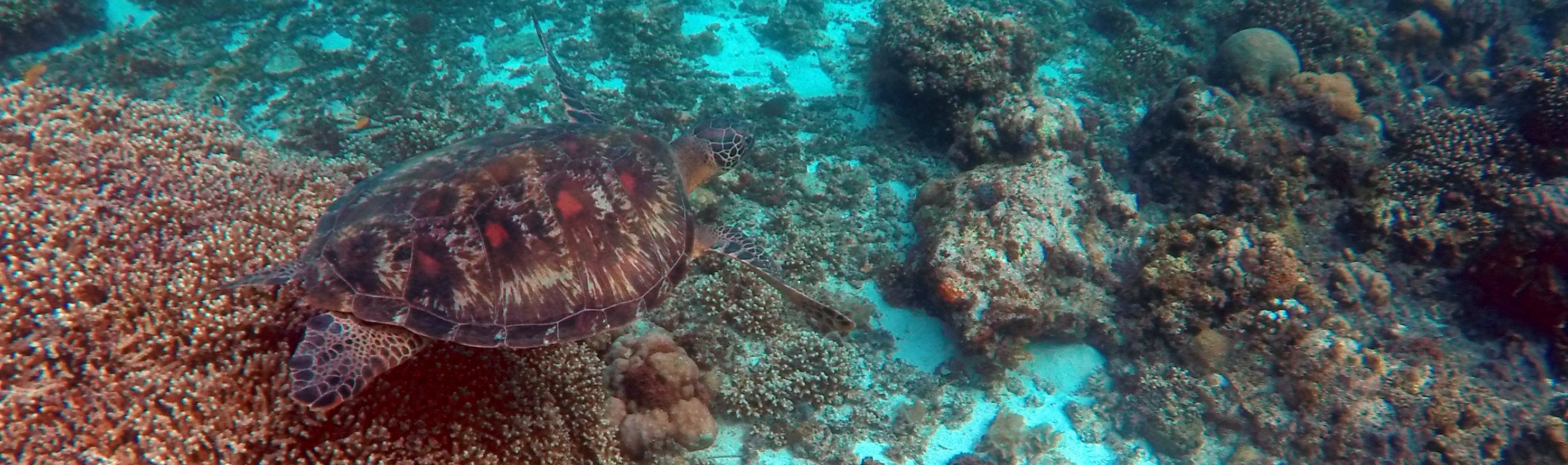
  • Wildlife spotting: oryx, Cape mountain zebra, desert fox, various bird species, large groups of dolphins, turtles, hornbills, gazelles, hyenas, many fish species.
  • Food spotting: injera (the most delicious classic sour bread pancake), zigni (spicy beef stew), kitcha fit-fit (shredded bread with herbs), alicha (vegetarian stew), ful medames (stewed beans served with olive oil, onion and tomato), shiro (chickpea curry), berbere (spicy herb mix), grilled fish, Eritrean coffee ceremony, honey wine.

Study in Eritrea?

  • Education in Eritrea is still developing, but there are several universities and technical schools where students from home and abroad can study. Popular areas of study include agriculture, medicine, engineering and social sciences. The level of higher education varies, but due to the importance of education in the development of the country, much is invested in improvement.
  • Study cities: Asmara.
  • Language: Tigrinya and Arabic, but also a lot of education in English.

Internships in Eritrea?

  • Internships in Eritrea can offer a unique opportunity to contribute to the development of the country. Many internships take place within NGOs, educational institutions or health organisations. The agricultural and maritime sectors also offer interesting opportunities. You can gain hands-on experience in an environment that challenges you to be creative and flexible.
  • Competencies: creativity, flexibility, intercultural communication, Arabic and French language skills, networking and building relationships, knowledge of local development issues.

Volunteering in Eritrea?

  • Eritrea is not an easy country to enter, especially as a volunteer. But there is a lot of work to be done. For example, there are a lot of orphans who need help, you can work in education or health care. Finding a place and dealing with the paperwork and rejections is a challenge.

Working in Eritrea?

  • Eritrea is a poor country and many people have left the country for various reasons. So there are few opportunities for foreigners to find work. In recent years, the economy has been working on (which mainly revolves around agriculture, fishing and natural resources), so there may be more opportunities. You may also be able to work through an international (aid) organization or in English education.

Working as a digital nomad in Eritrea?

  • Working as a digital nomad in Eritrea is challenging due to limited internet infrastructure. The internet is often slow and not reliable everywhere, which can make it difficult to work completely remotely. There are hardly any coworking spaces, so most digital nomads opt for cafes or hotels with wifi, although this is limited to larger cities such as Asmara and Massawa.
  • It can be quite a culture shock to start working in Eritrea. There is a lot of poverty. So be prepared for this.
  • Favorite locations: Asmara and Massawa.

Living in Eritrea?

  • Living in Eritrea is not always easy. It is a country that is still very much in motion, after its fairly recent independence in 1993. In addition to incredibly friendly and hospitable people, delicious food and a pleasant temperature, you will also find a lot of tension and poverty.
  • Education: for people with children, there is one international school in Asmara as far as we know.
  • Climate: from moderate temperatures to high temperatures and even real winter months.
  • Culture & religion: there are many colorful festivals and there is a lot of dancing and music. This comes mainly from ancient traditions. Religion plays a major role and determines many of the holidays and events. The largest religions are Christianity and Islam.
  • Safety: The country is unstable and conflicts are still taking place. So make sure you are aware of the current safety situation.
  • Health insurance: Health care is very limited and often rudimentary. So make sure you have your own health insurance with good coverage.
Eritrea Country Bundle: suggestions, stories and tips

Eritrea Country Bundle: suggestions, stories and tips

Image

Content about Eritrea on WorldSupporter

Eritrea: Updates & Travel

Eritrea: Updates & Travel

Travel in Eritrea

  • Eritrea is certainly not a standard travel destination and the country is home to an intriguing combination of culture, history and natural beauty. Asmara is an art deco city with much colonial architecture and there are many archaeological sites in the rest of the country. The nature ranges from high mountain peaks to deserted beaches.

Updates Eritrea

  • More about Eritrea, updates and contributions, see the link below.
How does healthcare work in Eritrea, and what travel insurance, health insurance or expat insurance do you need?

How does healthcare work in Eritrea, and what travel insurance, health insurance or expat insurance do you need?

How does the healthcare system work in Eritrea?

What is the quality of healthcare in Eritrea?

  • Despite the great poverty in the country, Eritrea has made great strides in the field of health care in recent years and is now one of the few countries in Africa that is actually on track to achieve the Millennium Development Goals.
  • Good health care can be found in all major cities, but challenges remain in remote areas. If you are going to a remote area, it is therefore useful to bring your own medicines and first aid kit.
  • Health care consists of both public and private providers and there is a lot of cooperation between the two.

How does the public healthcare system work in Eritrea?

  • Public health care consists of hospitals and health centers spread across the country. Basic care and also some specialist care is provided here, but this is limited!
  • The health centers or health stations are often staffed by nurses and focus on preventive care, maternity care and basic care.
  • Regional hospitals offer general and obstetric care, laboratory tests and minor surgical procedures.
  • Rural referral hospitals, located in Asmara, offer specialized medical services of reasonable quality. Healthcare is often free or cheap for residents. Expats usually have to pay.
  • The quality of healthcare is reasonable and the government continues to invest in a better healthcare system, but do not expect care of international standards.

How does the private healthcare system work in Eritrea?

  • Private healthcare may sound more chic than it is. In reality, it usually involves small clinics in Asmara where you will be helped faster than in the public sector.
  • The quality is slightly better, but do not expect fancy equipment, wellness music or a cappuccino afterwards. The doctors are often the same as in public healthcare, only with a slightly fresher perspective and this work as a side job.
  • The standard of care is low compared to Western standards. There are also few medical specialists available, and advanced treatments or equipment are rare.
  • Cash payment is the norm - so bring some nakfa, and sometimes you have to bring your own materials - from bandages to injection needles.

How is the general practitioner arranged in Eritrea?

  • Everybody can go to health centres or private clinics for general complaints, but do not expect extensive consultations or follow-up.
  • For many public hospitals, you also need a referral from a general practitioner. Check this before you go to the hospital!
  • Keep your own medical records. No GP also means no reminders of your vaccinations or that one allergy that gave you a rash in 2008.

How is the dentist arranged in Eritrea?

  • Dental care is available in the cities, but here too the supply is limited and the standards are basic.
  • You will mainly find dentists in Asmara.
  • Some offer simple treatments such as extractions or fillings, but extensive dental procedures or aesthetic treatments are rare or of low quality.

How is pregnancy care arranged in Eritrea?

  • Maternity care is largely accessible through public clinics, especially in urban areas. The government has tried to expand and improve this care, and more and more women are now giving birth under medical supervision. However, there are many challenges: lack of resources, poor hygiene, understaffing and a shortage of trained midwives are still commonplace — especially outside the cities.
  • Private clinics sometimes offer slightly better care, but they too are limited in facilities.
  • In rural areas, women often still give birth at home, with or without the help of a traditional midwife.
  • If you are pregnant and staying in Eritrea, consider temporarily going to a neighboring country or back home for the birth — or at least to a better equipped clinic in Asmara.

How safe or unsafe is a trip or stay in Eritrea?

What should you pay attention to in terms of safety in Eritrea?

  • Eritrea is a strictly regulated country with little press freedom and a strong authoritarian regime.
  • It is relatively safe in terms of crime. Robberies are rare, even in cities, but caution is always wise. Do not carry valuables conspicuously and beware of pickpockets in busy markets.
  • Political discussions, especially about human rights or the government, are better held at a coffee table in Europe than on a terrace in Asmara.
  • Taking photos of government buildings, airports or military personnel is also a big no-go.
  • To travel outside Asmara, you often need a special travel permit, even as a tourist. You can arrange this application at the Ministry of Tourism. Some areas are (temporarily) off-limits due to tensions with neighbouring countries or military zones — such as border areas with Ethiopia or Djibouti.
  • The Red Sea is beautiful, but treacherous. There are hardly any lifeguards or warning systems, so only swim where it is safe, and ask local advice.
  • Earthquakes are rare, but can occur in the eastern part of the country due to geological activity.

What should you look out for in terms of diseases in Eritrea?

  • Malaria occurs in low-lying areas, especially around the coast. In Asmara (at altitude) the risk is small, but mosquitoes are like unwanted text messages: they will come anyway.
  • Dengue and chikungunya can also occur, especially in the rainy season. There is no vaccination against it, so mosquito spray is your best friend.
  • Diarrhoea, stomach flu and parasites are common.
  • The risk of tuberculosis is still relatively widespread. The risk is especially higher if you are in contact with the local population for a long time in closed spaces (think: volunteer work, healthcare institutions, etc.).
  • HIV/AIDS occurs.
  • Stray dogs, cats or other rodents can transmit rabies.

What should you pay attention to when it comes to traffic in Eritrea?

  • There are formal traffic rules, but on the streets, the law of the largest often prevails. Drivers do not always pay attention to pedestrians or cyclists, and traffic signs are sometimes more suggestive than obligatory.
  • The main roads between Asmara, Massawa and Keren are reasonable (certainly for the region), but elsewhere roads are often unpaved, bumpy and unpredictable. 
  • Driving at night is not recommended: potholes in the road + no street lighting = adventure with a capital A.
  • There are minibuses (for those who like close-knit social contacts), and taxis are affordable, but do not have meters. Always agree on a price in advance.
  • Rent a car? You can, but often only with a driver.

What work and travel insurance policies are suitable for short and long stays in Eritrea?

  • Is the trip to Eritrea and your return sufficiently covered? Are you sufficiently covered before, during and after your activities? Which insurance best suits your trip and your activity? Read more about insurances for abroad on JoHoinsurances.org.

What emigration and expat insurance can you take out for Eritrea if you are going to live there for a while?

  • Although basic care is reasonable in Eritrea, the costs can be high. There is also a reasonable chance that you will need medical evacuation or repatriation. A good, international health insurance therefore offers reassurance so that you do not have to fear an empty savings account.
  • Make sure your insurance covers medical evacuation as well as coverage in neighboring countries. Read more about insurances for abroad on Expatinsurances.org.

Image

Why get specific insurance when going abroad: per activity abroad
Why should you take out specialized travel insurance for a long trip abroad?

Why should you take out specialized travel insurance for a long trip abroad?

What is round the world travel insurance or long-term travel insurance?

  • Round the world travel insurance means that you take out insurance that continues to provide coverage during all your activities abroad, and which is specifically intended for those who travel for long periods of time, such as world travelers, globetrotters, and nomads.

Why should you take out specialized travel insurance for a long trip abroad?

  • Round the world travel insurance provides coverage for a much longer trip than regular travel insurance.
  • World travel insurance is specifically intended for longer trips, whereas regular travel insurance may offer coverage on paper, but in practice handles it differently.
  • World travel insurance is suitable for many types of activities, ranging from high-altitude trekking to more risky sports.
  • World travel insurance continues to provide coverage if you start working during your trip, whether planned or unplanned. If you did not take out insurance before departure that allows you to work, there is no guarantee that you will be able to take out insurance that provides coverage while abroad.
  • Long-term travel insurance continues to provide coverage when your home country's health insurance no longer does.
  • Worldwide travel insurance also covers your medical expenses up to the actual cost, and not just for the standard costs. The costs per medical treatment vary greatly between countries.
  • Worldwide travel insurance can also continue to provide coverage if negative travel advice is issued.

What is important to insure when you are going to travel around the world?

  • That you have insurance that is valid in the countries where you are going to travel and posibly work.
  • That you are adequately insured for the sports and activities you are going to participate in during your full period abroad
  • That you are insured for emergency assistance and early return if something happens to you or your immediate family.
  • That your medical expenses are insured up to the actual cost and not just for the standard costs. The costs per medical treatment vary greatly between countries.
  • That you insure your luggage and take sufficient precautions against theft or damage.
  • That you are well insured against personal liability.
  • That you are well insured in case of accidents.
  • That you only insure yourself for legal assistance if there is an immediate reason to do so, unless coverage is already automatically included in the insurance.
  • That you pay close attention to choosing the right coverage when performing work or voluntary work during your world trip.

Check out more about

Why should you take out specific insurance when you go on a trip or vacation?

Why should you take out specific insurance when you go on a trip or vacation?

What is insurance for traveling abroad?

  • Travel insurance is insurance that provides coverage for risks during a trip or vacation abroad. This mainly concerns loss of or damage to your luggage, medical assistance, or repatriation costs if you need to be transported back home urgently. In some cases, travel insurance coverage also applies on domestic trips.
  • With annual travel insurance or multi-trip travel insurance, you are insured for all your trips throughout the year.
  • With temporary travel insurance or single-trip travel insurance, you take out insurance for each trip for the duration of the trip.
  • Cancellation insurance reimburses (all or part of) the travel sum, cancellation or accommodation costs if you have to cancel or interrupt your vacation.

Why should you take out travel insurance for a short trip, vacation, or long-distance trip?

  • Travel insurance can provide coverage in the event of an accident or emergency while you are abroad.
  • Travel insurance can provide coverage for damage and accidents during the adventurous or sporting activities you plan to do.
  • Travel insurance can continue to provide coverage if your health insurance no longer provides coverage, or if the damage is only reimbursed at cost price of your home country.
  • Travel insurance can provide coverage in the event of damage, loss, or theft of your luggage.
  • Travel insurance can provide coverage if you are held liable for damage you cause to other people or their property.
  • Travel insurance can provide coverage if you have to return home early because something has happened to you or your immediate family.

What is important to insure when you are going to travel abroad?

  • That you have insurance that is valid in the country or countries that you are going to visit.
  • That you are adequately insured for the sports and activities you are going to participate in during your period abroad.
  • That you are insured for emergency assistance and early return if something happens to you or your immediate family.
  • That your medical expenses are insured up to the actual cost and not just for the standard costs. The costs per medical treatment vary greatly between countries.
  • That you insure your luggage and take sufficient precautions against theft or damage.
  • That you are well insured against personal liability.
  • That you are well insured in case of accidents.
  • That you only insure yourself for legal assistance if there is an immediate reason to do so, unless coverage is already automatically included in the insurance.
  • That you pay close attention to choosing the right coverage when performing work alongside your travels.

Check out more about international insurances

Why should you take out specialized travel insurance for working abroad?

Why should you take out specialized travel insurance for working abroad?

Why should you take out specialized travel insurance for paid work, voluntary work or an internship abroad?

  • There may be several reasons why you need separate insurance when working abroad.
  • During work, internships, or volunteer work abroad where you receive financial compensation (or, for example, food or housing), your national health insurance coverage may expire. You will then need special insurance to remain insured for illness and accidents.
  • During specific work abroad, additional requirements may apply if your work involves additional risks. Only specific insurance policies offer coverage during this type of work.
  • During your work, the risk of accidents is sometimes greater, for example because you are doing work with which you have little experience or because of the nature of the work.
  • During your work, local employers generally offer no or limited insurance that provides insufficient coverage.

What is important to insure when you are going to work abroad?

  • That you have insurance that is valid in the country or countries where you are going to travel and work.
  • That you are adequately insured for the sports and activities you are going to participate in during your period abroad
  • That you are insured for emergency assistance and early return if something happens to you or your immediate family.
  • That your medical expenses are insured up to the actual cost and not just for the standard costs. The costs per medical treatment vary greatly between countries.
  • That you insure your luggage and take sufficient precautions against theft or damage.
  • That you are well insured against personal liability.
  • That you are well insured in case of accidents.
  • That you only insure yourself for legal assistance if there is an immediate reason to do so, unless coverage is already automatically included in the insurance.
  • That you pay close attention to choosing the right coverage when performing work.

Check out more about international insurances

Why should you take out specialized travel insurance for volunteering abroad?

Why should you take out specialized travel insurance for volunteering abroad?

What is insurance for volunteering abroad?

  • Insuring volunteer work abroad means taking out insurance that continues to provide coverage while you are working as a volunteer abroad

Why should you take out specialized travel insurance for voluntary work abroad?

  • There may be several reasons why you need separate insurance when volunteering abroad.
  • During specific activities abroad, additional requirements may apply if your work involves extra risks. Only specific insurance policies offer coverage during these activities.
  • The risk of accidents is sometimes higher during your work, for example because you are doing work you have little experience with or because of the nature of the work.
  • Local projects or employers generally offer no or limited insurance that provides insufficient coverage during your work.
  • When volunteering abroad and receiving minor financial compensation (or, for example, food or housing), your home country's health insurance coverage will potentially lapse. You will then need special insurance to remain insured for illness and accidents.
  • Regular travel insurance policies generally provide coverage for trips of a limited number of days. If your trip or stay abroad exceeds the maximum number of days, this generally means that for the entire travel period, you will not be covered.
  • Regular travel insurance policies generally only provide coverage for recreational travel without voluntary work activities. If you engage in activities other than recreational activities (such as volunteer work), this generally means that for the entire travel period, you will not be covered.

What is important to insure when you are going to work as a volunteer abroad?

  • That you have insurance that is valid in the country or countries where you are going to travel and volunteer.
  • That you are adequately insured for the sports and activities you are going to participate in during your period abroad
  • That you are insured for emergency assistance and early return if something happens to you or your immediate family.
  • That your medical expenses are insured up to the actual cost and not just for the standard costs. The costs per medical treatment vary greatly between countries.
  • That you insure your luggage and take sufficient precautions against theft or damage.
  • That you are well insured against personal liability.
  • That you are well insured in case of accidents.
  • That you only insure yourself for legal assistance if there is an immediate reason to do so, unless coverage is already automatically included in the insurance.
  • That when performing work in healthcare, with wild animals, and with dangerous (agricultural) machinery, you take care to choose the right coverage.

Check out more about international insurances

Why should you take out specialized travel insurance for an internship abroad?

Why should you take out specialized travel insurance for an internship abroad?

What is insurance for an internship abroad?

  • Insuring an internship abroad means taking out insurance that continues to provide coverage during your internship abroad
  • Insurance for internships abroad are also referred to as internship insurance. This internship insurance is specifically for when you go abroad for a long period of time to work as an intern, take courses, or conduct research abroad.

Why should you take out specialized travel insurance for an internship abroad?

  • There may be several reasons why you need separate insurance for an internship abroad.
  • During internship activities abroad, additional requirements may apply as soon as you start performing work that involves additional risks. Only specific insurance policies offer coverage during these activities.
  • During your internship, the risk of accidents is sometimes greater, for example because you are doing work with which you have little experience or because of the nature of the work.
  • During your internship, local employers generally do not offer insurance, or offer limited insurance that does not provide sufficient coverage.
  • During an internship abroad where you receive financial compensation (or, for example, food or accommodation), your home country's health insurance coverage will potentially lapse. You will then need special insurance to remain insured for illness and accidents.
  • Regular travel insurance policies generally provide coverage for trips of a limited number of days. If your trip or stay abroad exceeds the maximum number of days, this generally means that for the entire travel period, you will not be covered.
  • Regular travel insurance policies generally only provide coverage for recreational trips without work activities.

What is important to insure when you are going to be an intern abroad?

  • That you have insurance that is valid in the area where you will be traveling and doing your internship.
  • That you are adequately insured for the sports and activities you will be participating in.
  • That you are insured for emergency assistance and early return in case something happens to you or your immediate family.
  • That your medical expenses are insured up to the actual cost (what it actually costs), and not just for the standard costs. The costs per medical treatment vary greatly between countries.
  • That you insure your luggage and take sufficient precautions against theft or damage.
  • That you are well insured against personal liability and, preferably, also for liability during your internship.
  • That you are well insured in case of accidents.
  • That you insure yourself for legal assistance if there is an immediate reason to do so, unless the coverage is already automatically included in the insurance.
  • Make sure you choose the right coverage for internship work in healthcare, with wild animals, or with dangerous machinery!

Check out more about international insurances

Why should you take out specialized travel insurance for studying abroad?

Why should you take out specialized travel insurance for studying abroad?

What is insurance for studying abroad?

  • Insurance for studying abroad means that you take out insurance that continues to provide coverage during your studies, your education, and your related activities abroad.
  • Insurance for studying abroad is also referred to as study insurance. This study insurance is specifically for when you go abroad for a long period of time to take courses, study, or conduct research abroad.

Why should you take out specialized travel insurance for a study abroad?

  • Study insurance is specifically designed for studying abroad, whereas regular travel insurance policies may offer coverage on paper but handle this situation differently in practice.
  • Study insurance offers coverage for longer stays than regular (vacation) travel insurance.
  • Study insurance is also suitable for many types of activities, ranging from various sports to hiking at high altitudes.
  • Study insurance continues to provide coverage if you start working during your trip, whether planned or unplanned. If you have not taken out insurance before departure that allows you to work, there is no guarantee that you will be able to take out insurance abroad that provides coverage.
  • Study insurance continues to provide coverage if your own country's health insurance no longer provides coverage.
  • Student insurance also covers your healthcare costs above the rates in your own country; with regular insurance, you have to pay the extra costs yourself.
  • Student insurance can also continue to provide coverage if (study) visa issuers impose additional requirements on how you insure yourself, for example if you are going to the US and applying for a J-1 visa.
  • Student insurance continues to provide coverage if you are staying abroad for a longer period of time and want to visit your own country in between.

What is important to insure when you are going to study abroad?

  • That you have insurance that is valid in the country or countries where you are going to travel and work.
  • That you are adequately insured for the sports and activities you are going to participate in during your period abroad
  • That you are insured for emergency assistance and early return if something happens to you or your immediate family.
  • That your medical expenses are insured up to the actual cost and not just for the standard costs. The costs per medical treatment vary greatly between countries.
  • That you insure your luggage and take sufficient precautions against theft or damage.
  • That you are well insured against personal liability.
  • That you are well insured in case of accidents.
  • That you only insure yourself for legal assistance if there is an immediate reason to do so, unless coverage is already automatically included in the insurance.
  • That you pay close attention to choosing the right coverage when performing work alongside your studies.

Check out more about international insurances

Why should you take out specialized insurance for moving abroad as an emigrant or an expat?

Why should you take out specialized insurance for moving abroad as an emigrant or an expat?

What is an emigration insurance and what is an expat insurance?

  • Emigration insurance is an insurance that continues to provide coverage if you move abroad permanently or for an indefinite period of time.
  • Emigration insurance is not only intended for emigrants, but for anyone who leaves their home country for an extended period of time and does not intend to return in the foreseeable future.
  • Expat insurance is insurance that continues to provide coverage if you go to work abroad for a local or international employer for an extended period of time.
  • Expat insurance is not only intended for expats, but for anyone who has a more permanent job abroad.

Why should you take out specialized insurance for emigration or working as an expat abroad?

  • Emigration or expat insurance not only provides coverage for acute assistance in the event of illness or accident abroad, such as travel insurance, but can also provide coverage for existing conditions and ailments or non-urgent care.
  • Emigration or expat insurance does not require you to maintain valid health insurance in your home country.
  • Emigration or expat insurance provides coverage for preventive care or costs related to pregnancy and childbirth.
  • Emigration or expat insurance also provides coverage for long-term treatments and chronic conditions without you having to return to your home country.
  • Emigration or expat insurance often has no restrictions on the duration of the insurance, unlike travel insurance.
  • Emigration or expat insurance usually maintains coverage in cases such as negative travel advice or acts of war.
  • Emigration or expat insurance offers various solutions in the areas of disability, home and household insurance, goods transport, and liability.

What is important to insure when you are going to move abroad?

  • That you have insurance that is valid in the country or countries where you are going to live and/or work.
  • That you are adequately insured for the sports and activities you are going to participate in during your period abroad
  • That you are insured for emergency assistance and early return if something happens to you or your immediate family.
  • That your medical expenses are insured up to the actual cost and not just for the standard costs. The costs per medical treatment vary greatly between countries.
  • That you are well insured against personal liability.
  • That you are well insured in case of accidents.
  • That you pay close attention to choosing the right coverage when performing work with additional health risks

Check out more about international insurances

Why should you take out travel insurance and why through the JoHo Foundation?

Why should you take out travel insurance and why through the JoHo Foundation?

Why Insurances through JoHo

  • Specialized: in emigration, work, internships, study and travel abroad.

  • Service: JoHo offers multiple travel insurances by multiple companies. Thanks to JoHo's extensive experience, it can offer support in case of problems with insurers, as well as advice and fast and personal handling.

  • Safe: JoHo is recognized as a trustworthy intermediary for insurances.

  • Social: by purchasing an insurance through JoHo you provide a talented student in The Philippines with health insurance

Why Should You Take Out A Travel Insurance?

  • The chance of getting injured or ill is generally higher than when you would have stayed at home. The medical care you will need can be very expensive, even more so if you are treated in a private clinic.

  • If you have to fly back because of family circumstances, the flights might be more expensive than your original flight because you have to fly on short notice.

  • You might have to deal with the damage, loss or theft of your luggage.

  • In case of emergency it can be difficult to figure out what to do. A good travel insurance will have an assistance team on standby for you 24/7 and will be able to tell you what steps to take.

Why Should You Specifically Take Out A Travel Insurance For A Long Trip Abroad?

  • Often regular travel or health insurances only cover trips for a maximum number of days (for example 60, 90 or 180 days).

  • Depending on your home country, your health insurance might not offer any coverage for treatment abroad.

  • During a long trip you might consider specific activities, like paid work or volunteering. Regular travel insurances often don’t cover these kind of activities. The same goes for adventurous/ hazardous sports like skydiving, scuba-diving and bungee jumping.

More on why to use JoHo

  • JoHo is one of the few organizations where you can directly purchase a comprehensive range of foreign insurances from a variety of insurers. As with our other products and services, we believe that you should be able to choose between the best, the most cost effective and the most specialized insurance.

  • JoHo offers various possibilities from combining insurances to assisting in transferring from one insurer to another.

  • When you purchase an insurance policy through JoHo, you will not pay more than if you had purchased it directly from the insurer. Sometimes (through special collective agreements) you will even pay less.

  • JoHo offers support with problems that may arise with the insurer. Sometimes disagreement with claims, cancellation notice or insurance premiums can occur. In this situation it helps if you have the assistance of an organization who has an established relationship with the insurer.


Read more about JoHo and JoHo Insurances

Image

Safety and insurances in Eritrea

How does healthcare work in Eritrea, and what travel insurance, health insurance or expat insurance do you need?

How does healthcare work in Eritrea, and what travel insurance, health insurance or expat insurance do you need?

How does the healthcare system work in Eritrea?

What is the quality of healthcare in Eritrea?

  • Despite the great poverty in the country, Eritrea has made great strides in the field of health care in recent years and is now one of the few countries in Africa that is actually on track to achieve the Millennium Development Goals.
  • Good health care can be found in all major cities, but challenges remain in remote areas. If you are going to a remote area, it is therefore useful to bring your own medicines and first aid kit.
  • Health care consists of both public and private providers and there is a lot of cooperation between the two.

How does the public healthcare system work in Eritrea?

  • Public health care consists of hospitals and health centers spread across the country. Basic care and also some specialist care is provided here, but this is limited!
  • The health centers or health stations are often staffed by nurses and focus on preventive care, maternity care and basic care.
  • Regional hospitals offer general and obstetric care, laboratory tests and minor surgical procedures.
  • Rural referral hospitals, located in Asmara, offer specialized medical services of reasonable quality. Healthcare is often free or cheap for residents. Expats usually have to pay.
  • The quality of healthcare is reasonable and the government continues to invest in a better healthcare system, but do not expect care of international standards.

How does the private healthcare system work in Eritrea?

  • Private healthcare may sound more chic than it is. In reality, it usually involves small clinics in Asmara where you will be helped faster than in the public sector.
  • The quality is slightly better, but do not expect fancy equipment, wellness music or a cappuccino afterwards. The doctors are often the same as in public healthcare, only with a slightly fresher perspective and this work as a side job.
  • The standard of care is low compared to Western standards. There are also few medical specialists available, and advanced treatments or equipment are rare.
  • Cash payment is the norm - so bring some nakfa, and sometimes you have to bring your own materials - from bandages to injection needles.

How is the general practitioner arranged in Eritrea?

  • Everybody can go to health centres or private clinics for general complaints, but do not expect extensive consultations or follow-up.
  • For many public hospitals, you also need a referral from a general practitioner. Check this before you go to the hospital!
  • Keep your own medical records. No GP also means no reminders of your vaccinations or that one allergy that gave you a rash in 2008.

How is the dentist arranged in Eritrea?

  • Dental care is available in the cities, but here too the supply is limited and the standards are basic.
  • You will mainly find dentists in Asmara.
  • Some offer simple treatments such as extractions or fillings, but extensive dental procedures or aesthetic treatments are rare or of low quality.

How is pregnancy care arranged in Eritrea?

  • Maternity care is largely accessible through public clinics, especially in urban areas. The government has tried to expand and improve this care, and more and more women are now giving birth under medical supervision. However, there are many challenges: lack of resources, poor hygiene, understaffing and a shortage of trained midwives are still commonplace — especially outside the cities.
  • Private clinics sometimes offer slightly better care, but they too are limited in facilities.
  • In rural areas, women often still give birth at home, with or without the help of a traditional midwife.
  • If you are pregnant and staying in Eritrea, consider temporarily going to a neighboring country or back home for the birth — or at least to a better equipped clinic in Asmara.

How safe or unsafe is a trip or stay in Eritrea?

What should you pay attention to in terms of safety in Eritrea?

  • Eritrea is a strictly regulated country with little press freedom and a strong authoritarian regime.
  • It is relatively safe in terms of crime. Robberies are rare, even in cities, but caution is always wise. Do not carry valuables conspicuously and beware of pickpockets in busy markets.
  • Political discussions, especially about human rights or the government, are better held at a coffee table in Europe than on a terrace in Asmara.
  • Taking photos of government buildings, airports or military personnel is also a big no-go.
  • To travel outside Asmara, you often need a special travel permit, even as a tourist. You can arrange this application at the Ministry of Tourism. Some areas are (temporarily) off-limits due to tensions with neighbouring countries or military zones — such as border areas with Ethiopia or Djibouti.
  • The Red Sea is beautiful, but treacherous. There are hardly any lifeguards or warning systems, so only swim where it is safe, and ask local advice.
  • Earthquakes are rare, but can occur in the eastern part of the country due to geological activity.

What should you look out for in terms of diseases in Eritrea?

  • Malaria occurs in low-lying areas, especially around the coast. In Asmara (at altitude) the risk is small, but mosquitoes are like unwanted text messages: they will come anyway.
  • Dengue and chikungunya can also occur, especially in the rainy season. There is no vaccination against it, so mosquito spray is your best friend.
  • Diarrhoea, stomach flu and parasites are common.
  • The risk of tuberculosis is still relatively widespread. The risk is especially higher if you are in contact with the local population for a long time in closed spaces (think: volunteer work, healthcare institutions, etc.).
  • HIV/AIDS occurs.
  • Stray dogs, cats or other rodents can transmit rabies.

What should you pay attention to when it comes to traffic in Eritrea?

  • There are formal traffic rules, but on the streets, the law of the largest often prevails. Drivers do not always pay attention to pedestrians or cyclists, and traffic signs are sometimes more suggestive than obligatory.
  • The main roads between Asmara, Massawa and Keren are reasonable (certainly for the region), but elsewhere roads are often unpaved, bumpy and unpredictable. 
  • Driving at night is not recommended: potholes in the road + no street lighting = adventure with a capital A.
  • There are minibuses (for those who like close-knit social contacts), and taxis are affordable, but do not have meters. Always agree on a price in advance.
  • Rent a car? You can, but often only with a driver.

What work and travel insurance policies are suitable for short and long stays in Eritrea?

  • Is the trip to Eritrea and your return sufficiently covered? Are you sufficiently covered before, during and after your activities? Which insurance best suits your trip and your activity? Read more about insurances for abroad on JoHoinsurances.org.

What emigration and expat insurance can you take out for Eritrea if you are going to live there for a while?

  • Although basic care is reasonable in Eritrea, the costs can be high. There is also a reasonable chance that you will need medical evacuation or repatriation. A good, international health insurance therefore offers reassurance so that you do not have to fear an empty savings account.
  • Make sure your insurance covers medical evacuation as well as coverage in neighboring countries. Read more about insurances for abroad on Expatinsurances.org.

Image ACTIVITIES

Check courses, jobs, projects, recipes, suggestions and tips related to: 'Eritrea'

CHECK MORE ACTIVITIES

No results found.

Activities abroad: home bundle

Main content and contributions for activities abroad

,,,accommodations, adventure activities, courses, internships, jobs and volunteer projects

...to help another, travel with care, work together , learn to share and inspire with your experience


Activities abroad: home page

Activities abroad: home page

From language courses to gap year abroad, from work experience to volunteering abroad, from paid work to internship abroad, from mountaineering to diving and from backpacking to travel around the world

    What social activities can you do abroad?

    • Opportunities are found in the areas of helping, learning or studying. You can get involved to volunteer in a social project at a school in Africa, Asia or Latin America. You can get involved in nature, in a project with animals or cleaning the sea or beaches. Those who want to learn more can choose for example a language course in Latin America, Spain or South Africa.

    What work related activities can you do abroad?

    • If you want to gain work experience, and/or also earn money, go and work abroad. You can combine backpacking in Australia with temporary work. You can work on campsites in Europe or bush camps in Africa. You can pretty much go all over the world to work in the hospitality industry, hotels and hostels, in the healthcare sector or for example at a diving school.

    What sports activities to do abroad?

    • Have you ever thought of mountain biking, rafting (going down a wild river on a raft or rubber dinghy, climbing or canoeing), survival (which involves building rafts, climbing or canoeing), abseiling (descending a rock face while secured to ropes), zip-lining (whizzing down a cable), canyoning (starting at the top of a river and then climbing, swimming, diving down the bed) or caving (scrambling, wriggling and crawling through caves and crevices)?
    • Maybe you feel more comfortable on a bodyboard (on a half-wave surfboard, you surf the high waves lying down-with flippers), on a hang glider or while paragliding (with a parachute you float down a mountain or dune), hydrospeeding (on a bodyboard with flippers and a wetsuit on you go down a wild river via rapids) or Tiefschneeskiing (racing down through powder snow)?

    Check the pages below for more activities and inspiration and where to go and how to arrange it

      Activities abroad: for gap year, sports, travel and outdoor abroad

      Activities abroad: for gap year, sports, travel and outdoor abroad

      Bundled content for gap year, sports, travel and outdoor abroad

      Access: 
      Public

      Image STORIES

      Check blogs, experiences and information related to: 'Eritrea'

      CHECK MORE STORIES

      Make a selection, to find more blogs and contributions than you see below

      Image How does healthcare work in Eritrea, and what travel insurance, health insurance or expat insurance do you need?
      How does the healthcare system work in Eritrea? What is the quality of healthcare in Eritrea? How does the public healthcare system work in Eritrea? How does the private...
      Image Eritrea: Updates & Travel
      Travel in Eritrea Updates Eritrea Back to top Travel in Eritrea Eritrea is certainly not a standard travel destination and the country is home to an intriguing...
      Image Have you lost something? Spit in your hand and watch where the drops go. That is where you will find it - Eritrea
      Have you lost something? Spit in your hand and watch where the drops go. That is where you will find it. Eritrea
      Image Sing a lot, and it will be beautiful weather - Eritrea
      Sing a lot, and it will be beautiful weather. Eritrea
      Countries & Destinations: home bundle

      Bundled content, suggestions, stories and tips about the countries and destinations in the world

      ...to help another, travel with care, work together , learn to share and inspire with your experience

      Africa: country bundles

      Africa: country bundles

      Access: 
      Public

      Asia: country bundles

      Asia: country bundles

      Country bundles of Asian countries

      Access: 
      Public
      Europe: country bundles

      Europe: country bundles

      Country bundles of European countries

      Access: 
      Public

      The Caribbean: country bundles

      Image ORGANIZATIONS

      Check sectors and organizations related to: 'Eritrea'

      CHECK MORE ORGANIZATIONS

      Make a selection, to find more or other organizations than you see below

      Image CultureRoad
      Bij CultureRoad staat reizen, erfgoed en toerisme centraal. CultureRoad organiseert groepsreizen en individuele tours naar bijzondere bestemmingen binnen o.a. Azië,...
      Organizations & Services: home bundle

      Bundled content, suggestions, stories and tips about organizations and their products and services

      ...to help another, travel with care, work together, learn to share and inspire with your experience

      Organizations: home page
      Organizations: for administrative, tax and legal work and consulting
      Organizations: for agriculture, grape picking, farming and vineyards
      Organizations: for animal protection, animal care and working with wildlife abroad
      Organizations: for au pairs, youth work and child care abroad
      Organizations: for bush camping and working at a campsite abroad
      Organizations: for catering, hospitality and entertainment abroad
      Organizations: for civil society and social work abroad
      Organizations: for corporate business services
      Organizations: for customer services abroad and help desks
      Organizations: for diving, snorkeling and water sports abroad
      Organizations: for education and schools abroad
      Organizations: for expatriate insurances, travel insurances, and emergency call centers
      Organizations: for gap year activities abroad and sabbaticals
      Organizations: for internship placement abroad
      Organizations: for insurances and finance abroad
      Organizations: for IT, engineering and construction
      Organizations: for language travel and language teaching abroad
      Organizations: for marketing, communication and PR
      Organizations: for mediation in au pairs, childcare and elderly care in the Netherlands
      Organizations: for moving, international relocation and transport abroad
      Organizations: for nature conservation, environmental protection and working in nature abroad
      Organizations: for nonprofit projects, development work and international cooperation
      Organizations: for online work as digital nomad, freelancer, or independent entrepreneur from abroad
      Organizations: for outdoor activities and sports
      Organizations: for providing accommodation and hospitality work in hotels, guesthouses, ecolodges and hostels abroad
      Organizations: for providing healthcare and working in medical care abroad
      Organizations: for psychological assistance and mental health care abroad
      Organizations: for real estate, brokerage abroad and property rental abroad
      Organizations: for research and scientific work abroad
      Organizations: for student support and student associations
      Organizations: for tour guidance and adventure tours abroad
      Organizations: for tourism and organized travel and leisure work abroad
      Organizations: for voluntary work mediation and project placement abroad
      Organizations: for yacht and shipping crew and working on a cruise ship abroad

      Image SUMMARIES

      Check summaries and study assistance related to: 'Eritrea'

      CHECK MORE SUMMARIES

      No results found.

      Image

      SPOTLIGHT & FAVORITES

      FAVORITES

      Image ALL CONTENT

      Search all related content within the topic: 'Eritrea'

      ALL CONTENT WITHIN TOPIC

      Select any filter and click on Apply to see results

      Image

      TOPICS : check associated topics and more activities

      Check more: activities in WorldSupporter
      Go abroad!
      Page topic

      Stories, tips and experiences from Eritrea

      Submenu & Search

      Search only via club, country, goal, study, topic or sector