Travel to Malaysia to backpack, study, intern, volunteer, work, or live as a digital nomad, expat or emigrant?

Image

Image

Image  Malaysia

Intro

Backpacking in Malaysia?

  • Backpacking in Malaysia offers a combination of modern development, affordable prices, beautiful nature and a multicultural society. There is a great diversity of destination, from popular dive sites and vast rainforests, to modern cities and fresh highlands.
  • Features: diverse cultures and languages, English is spoken by many people, beautiful nature, affordable yet modern.

Traveling in Malaysia?

  • When traveling in Malaysia, think jungle rainforest to tropical (diving) paradise. Eat your fill of street food from all cultures, seek out the mighty orangutans and visit temples and mosques.
  • City spotting: Kuala Lumpur, George Town, Melaka, Kota Kinabalu, Kuching, Langkawi.
  • Activity spotting: visit historical sites, climb the highest mountain in Southeast Asia, jungle walks, dive in one of the most beautiful places in the world, shop in Kuala Lumpur.
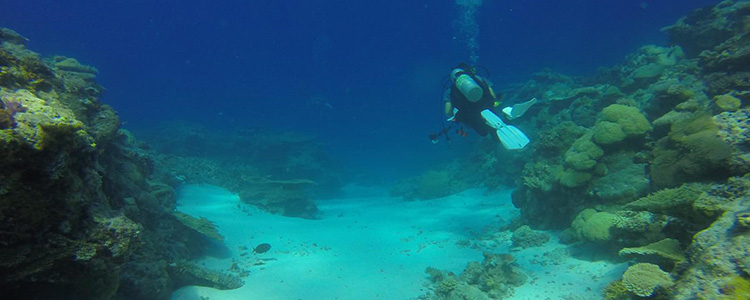
  • Nature spotting: chill on the tropical beaches of the Perhentian Islands, spot biodiversity in the rainforests of Borneo, dive by the corals of Sipadan, and hike in the cool highlands of Cameron.
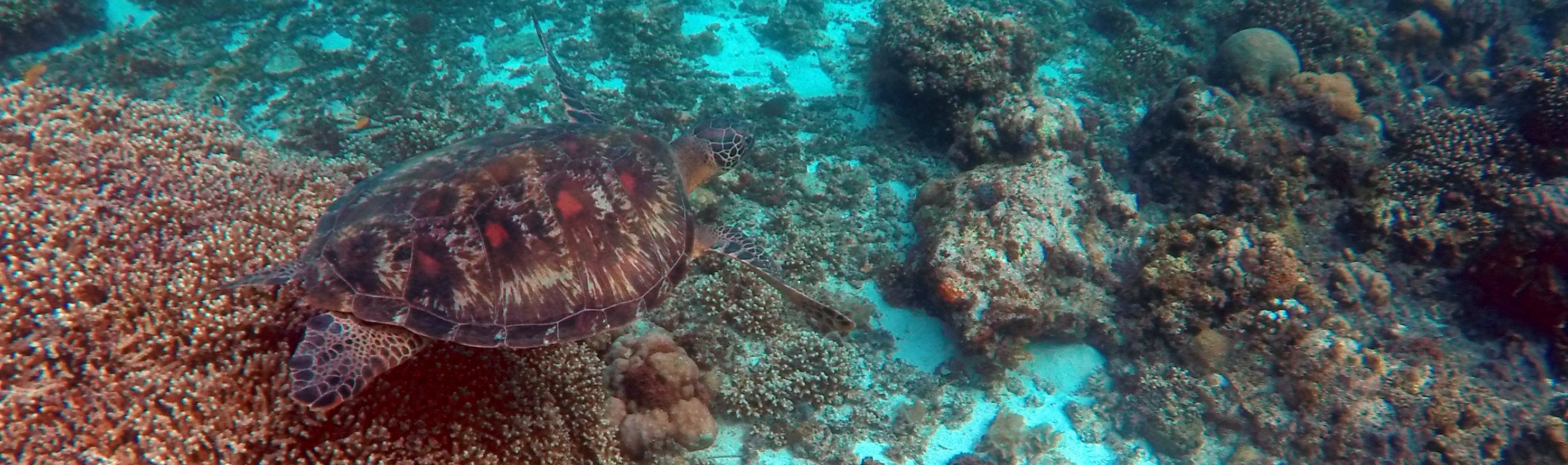
  • Animal spotting: as one of the most biodiverse countries in the world, you will find the Malay tiger, Borneo elephant, Sumatran rhino, orangutan, hornbills, king cobras, various sharks and sea turtles.

Studying in Malaysia?

  • Education in Malaysia: Malaysian universities are rising in world rankings and the quality of education is increasing with some universities now among the world's top.
  • Language: the language of instruction is Malay (Bahasa Malaysia). Nowadays, many programs are also offered in English at the larger universities.
  • Studies: a wide variety of studies can be found in Malaysia with popular directions being engineering, business and management, computer science, medicine, tourism.
  • Study cities: Kuala Lumpur, Petaling Jaya, Penang, Johor Bahru.
  • Language learning: you can learn the language in many places, including through language centers linked to universities and in these cities themselves.

Internship in Malaysia?

  • Internships: internships can be found in all sectors. There are many multinational companies based in Malaysia, which offer good internships in technology, financial services and electronics. There are also many opportunities in the fields of health, biodiversity and research
  • Internship cities: Kuala Lumpur, Petaling Jaya, Klang Valley, Borneo.
  • Characteristics: English will get you far in Malaysia although knowledge of Bahasa Malaysia opens just a little more doors. The work structure is hierarchical, courtesies (sir, ma'am) are important and communication is mostly indirect. Punctuality is valued and dress is relatively conservative.

Volunteer in Malaysia?

  • Volunteering can be found in many sectors in Malaysia, but particularly in nature and environmental conservation, teaching English and contributing to youth care is also popular.
  • Animal/nature projects: think rainforest protection projects, coral reefs and organizations protecting endangered species.
  • Characteristics: volunteering from a few weeks to a few months is easy to find.

Working in Malaysia?

  • Jobs: Malaysia has a strong economy and is open to foreign workers. You can find many jobs in financial services, palm oil, energy and the automotive industry in addition to (temporary) jobs in the tourism sector. 
  • Work culture: work can be 5 or 6 days a week and sometimes working outside working hours is expected. Try to avoid confrontations and form good personal ties.
  • Characteristics: take into account long working hours, indirect communication and a diversity of cultures in the workplace.

Working as a digital nomad in Malaysia?

  • Favorite locations: Kuala Lumpur, Penang, Kuching, Melaka, Langkawi.
  • Characteristics: Malaysia encourages the arrival of digital nomads especially for certain sectors, internet connectivity is generally good and there are plenty of co-working spots to be found.

Living in Malaysia?

  • Language: the main language is Bahasa Malaysia, but many other languages are also spoken such as Tamil and Chinese dialects. English is widespread and is often taught and spoken as a second language.
  • Quality of life: modern facilities, good health care, a rich culture and a high standard of living provide a good quality of life.
  • Characteristics: the diversity of cultures, good work options, easy to make connections and lots to do.
  • Healthcare: the quality of healthcare in Malaysia is very good. Especially in the big cities, you will find many (specialized) clinics with high standards of care.
Malaysia Country Bundle: suggestions, stories and tips

Malaysia Country Bundle: suggestions, stories and tips

Image

Content about Malaysia on WorldSupporter

Why live in Malaysia, why emigrate to Malaysia or stay for a long time?

Why live in Malaysia, why emigrate to Malaysia or stay for a long time?

Why should you live in Malaysia as an expat, emigrant or working nomad?

  • because English is the second language of communication, and that everyone in business speaks English.
  • because the cost of living is relatively low.
  • because he Malaysian economy is growing with good job opportunities.
  • because the food is affordable and diverse. Besides Malay, Chinese and Indian, you can also find Western dishes.

What should you pay attention to?

  • that alcohol and non-halal food is not easily available everywhere.
  • that visa application procedures are complicated.s
  • that speaking a word of Malay makes your life a lot easier.
Why study in Malaysia, do an internship, do volunteer work or look for a job in Malaysia?

Why study in Malaysia, do an internship, do volunteer work or look for a job in Malaysia?

Why study, do an internship, volunteer or work temporarily in Malaysia?

  • because there are a number of reputable universities in Malaysia, offering a wide range of courses.
  • because the quality of education is comparable to that in Europe and the United States.
  • because the cost of education is often a lot lower than in the Netherlands.

What should you pay attention to?

  • that the price of living is considerably higher than in neighboring countries.
  • that the sometimes poor infrastructure makes it more difficult to get to certain parts of the country.
  • that the climate is hot and humid.


How does healthcare work in Malaysia, and what travel insurance, health insurance or expat insurance do you need?

How does healthcare work in Malaysia, and what travel insurance, health insurance or expat insurance do you need?

How does the healthcare system work in Malaysia?

What is the quality of healthcare in Malaysia?

  • Malaysia is a popular country for medical care for people from neighboring countries such as Indonesia, Thailand and Hong Kong because of its affordability and high quality healthcare. The doctors also speak English and have usually been trained abroad.
  • You can choose between public and private healthcare. As an expat you pay out of your pocket, but it does not cost you much.
  • The hospitals and clinics are equipped with modern equipment and technology. The best hospitals can be found in the capital and Penang, these are often even JCI accredited, which means that they meet the “gold standard” of healthcare.
  • Malaysia is also known for its personal, friendly and good care. You will quickly feel at ease in the hospital.
  • In the more remote areas, including Borneo, it is possible that clinics and hospitals are of less good quality.
  • Pharmacists are well trained and can give good advice in case of complaints.
  • The ambulance service is good, especially in urban areas. Call 999 for the medical emergency services.
  • Health insurance is not legally required, but it is strongly recommended. As an expat, you will not have access to subsidized healthcare through the public system, so good international or local insurance is essential to cover unexpected costs.

How does the public healthcare system work in Malaysia?

  • Public healthcare is intended for Malaysian citizens and is subsidized by the government. There is no national health insurance.
  • Expats can also use public healthcare, but will have to pay out of pocket or through private health insurance.
  • Good hospitals can be found in Malaysia; especially in the capital Kuala Lumpur and on the island of Penang.
  • Treatment in public hospitals is affordable, but less suitable for emergency care due to longer waiting times.
  • In Malaysia, doctors are required to work in the public sector for a longer period (a number of years) before they are allowed to work in the private healthcare system.
  • Public healthcare is a reasonable option for routine treatments, but many expats prefer private healthcare because of the higher standard and faster service.

How does the private healthcare system work in Malaysia?

  • The private healthcare system offers Western-level care. It employs more experienced doctors than the public healthcare system.
  • Private hospitals are, as elsewhere in the world, more expensive than public health care, but the cost of private care is still considerably lower than in Western countries.
  • Malaysian health care institutions that are recommended by MHTC have all been tested and provide high-quality care.

How is the general practitioner arranged in Malaysia?

  • General practitioners are easily accessible in Malaysia, both in private clinics and in public institutions.
  • The clinics, which are often located in shopping malls, are comparable to a GP post. Consultations are affordable; a visit to a GP in a private clinic usually costs between €10 and €30.
  • You can usually just walk in without an appointment.
  • Many GPs speak English, which makes it easy for expats to discuss their health problems.

How is the dentist arranged in Malaysia?

  • There are many dental clinics in Malaysia that provide good care. Most dentists are trained in the West and they generally all speak English.
  • The clinics can be found in shopping malls, among other places. Some clinics are open 24 hours a day. Check the dentist's license. Dentists are required to take regular exams to maintain their license.
  • The cost of dental care is also much lower than in other Western countries.
  • Cosmetic dentistry such as teeth whitening and orthodontics are popular and relatively cheap.

How is prenatal care and pregnancy care arranged in Malaysia?

  • Prenatal care in private hospitals is excellent and reasonably priced. Consultations usually cost between €20 and €60, depending on the doctor and the hospital.
  • Private hospitals are the most popular among expats. Public hospitals are actually only for Malaysians and cost extra for foreigners.
  • Malaysian health insurance does not cover pregnancy costs. Despite the fact that the costs are relatively low (around 2.500 euros for a normal birth and around 4.000  euro for a caesarean section), most expats have international health insurance.
  • As in many other countries, caesarean sections are becoming increasingly popular. Make sure you make good agreements with your doctor about what you want. Breastfeeding is encouraged, and there are many lactation consultants available. Breastfeeding in public is culturally acceptable, but it is recommended to use a cloth.

How safe or unsafe is a trip or stay in Malaysia?

What should you pay attention to in terms of safety in Malaysia?

  • Pickpockets and bag snatchers are a problem in busy cities like Kuala Lumpur and tourist hotspots like Penang. Keep your belongings close to you and avoid showing valuables.
  • In rural areas, you may encounter wildlife such as monkeys, snakes, and even tigers. Be careful when hiking in the jungle and follow the directions of guides.
  • Sea urchins, jellyfish, and other poisonous marine organisms are a risk when swimming or diving.
  • Malaysia is less prone to natural disasters than many other Southeast Asian countries, but flooding is common during the rainy season (November to February).
  • Malaysia has a multi-ethnic society, and it is important to respect cultural differences and follow local rules and guidelines.

What should you look out for in terms of diseases in Malaysia?

  • There are far fewer health risks in the big cities. There is also a significant difference with Borneo.
  • Dengue fever is common in Malaysia, and malaria is also a risk in some areas. Protecting yourself against mosquitoes can save you a lot of hassle!
  • Check with your vaccination doctor which vaccinations you need!

What should you pay attention to when it comes to traffic in Malaysia?

  • Traffic in Malaysia can be chaotic, especially in urban areas. People drive on the left side of the road and wearing a seat belt is mandatory.
  • Wearing a helmet is mandatory for motorcyclists.
  • Malaysia has a high number of traffic accidents. Drive defensively and be alert, especially on motorcycles that often perform unexpected maneuvers.
  • Expatriates are allowed to drive around with a foreign driver's license for three months, after which they must apply for a new, international driver's license. This can be done at a Jabatan Pengangkutan Jalan Malaysia (JPJ), or the Road Transport Department of Malaysia.
  • Public transportation is well developed in major cities. MRT and LRT trains are modern and efficient.
  • Outside urban areas, public transportation is limited, and renting a car can be useful.

What work and travel insurance policies are suitable for short and long stays in Malaysia?

  • Is the trip to Malaysia and your return sufficiently covered? Are you sufficiently covered before, during and after your activities? Which insurance best suits your trip and your activity? Read more about insurances for abroad on JoHoinsurances.org.

What emigration and expat insurance can you take out for Malaysia if you are going to live there for a while?

  • Health insurance usually isn't mandatory, but most expats chose to take out private insurance to cover (unexpected) medical costs. Read more about insurances for abroad on Expatinsurances.org.
Packing list for Malaysia, travel insurance for Malaysia, and taking your belongings

Packing list for Malaysia, travel insurance for Malaysia, and taking your belongings

Packing list for Malaysia, travel insurance for Malaysia, and taking your belongings

What to bring to Malaysia: highlighted

Highlighted items:
  • Documents: passport that is valid for at least 6 months. An online and/or offline copy of your passport, just to be sure.
  • Money: cash ringgit (MYR) for your first plate of nasi or your taxi. Debit card for the cities.
  • Care: good sunscreen. The sun can burn quite a bit and good sunscreen is not available everywhere.
  • Outdoor and handy items: hat or cap and sunglasses. A good raincoat/poncho for the downpours in the rainy season.
  • Clothing: tropical clothing and clothing for warm weather are useful, especially if you want to go into the tropical forests. Covering clothes are useful if you go outside the city or want to visit mosques.
  • Shoes: sandals/slippers for the beach and good walking shoes for the jungle.
  • Medicines and travel pharmacy: a small first aid kit with plasters, painkillers and ORS. Mosquito repellent. Safety: Money belt or fanny pack for your valuables. An impregnated mosquito net if you don't have one.
  • Technique and equipment: world plug with type G, otherwise you'll quickly run out of things to talk about with your family.
  • Woman: scarf or light shawl. This is often mandatory at religious places.
What else can you take with you:
  • Reusable water bottle with filter.
  • Leech socks - handy if you don't want your nice socks to turn red.
  • Dry bags and a backpack liner for wet days.

What knowledge is useful when you go to Malaysia?

  • Knowledge of local norms, values ​​and customs. Don't just walk into a mosque in your summer outfit, for example.
  • Knowledge of rules - no public affection!
  • The best haggling techniques.

Are there mosquitoes in Malaysia?

  • In Malaysia, mosquitoes are eagerly waiting for you, certainly in the jungle, but also in the city.
  • Mosquitoes can carry diseases such as dengue and malaria. So it is important to protect yourself well. Wear protective clothing and use DEET or picaridin.

Are there sand flies in Malaysia?

  • Sand flies are present in Malaysia, especially on some islands and Borneo. Tioman is one such island that is known for sand flies, although it depends on which beach you are on.
  • Visit clean beaches and/or avoid sunrise and sunset.

Can you buy DEET, or other mosquito repellents, in Malaysia?

  • DEET is available at some pharmacies, drugstores and online throughout the country, but it can be difficult to find. Picaridin is even harder to find. Local, natural remedies are popular.
  • Often the products have a lower DEET content (10-20%), such as the popular “OFF” spray. If you want a stronger spray, it is better to bring your own.

Where can you get your food and drinks in Malaysia?

  • Street food is divine. Think: satay, laksa, roti canai, nasi lemak. Hawker stalls and food courts are cheap, tasty and fun.
  • Supermarkets: Tesco, Giant, 99 Speedmart – you can find everything from durian to deodorant.
  • Everyday restaurants.

Can you buy a beer or wine in Malaysia, or take it to Malaysia?

  • Non-Muslims are allowed to buy and drink alcohol in Malaysia, but it is often expensive with one of the highest alcohol taxes in the world, and not available everywhere - especially in strict Islamic areas such as Terengganu and Selangor.
  • Drinking in public is illegal and frowned upon.
  • If you are Muslim, drinking alcohol, regardless of where you come from, is a risk.
  • You are allowed to import 1 litre of alcohol.

Can you buy a joint or weed in Malaysia, or take it to Malaysia?

  • Cannabis is completely illegal in Malaysia, so leave that stash at home!
Malaysia: Updates & Travel

Malaysia: Updates & Travel

Travel in Malaysia

  • Malaysia is several countries in one, due to its mixed population of Malays, Indians and Chinese. The many islands on both the east and west coasts are real attractions. Kuala Lumpur is not only booming as a business centre, but is also a fun and especially pleasant city. In short, Malaysia guarantees culture, sun, delicious food and drinks and friendly people.
  • Visit the green and vast tea plantations in Cameron Highlands and take beautiful walks through the cooler plateaus.
  • Discover the jungle of Taman Negara, in one of the most beautiful national parks in Malaysia.
  • Get your diving certificate in Malaysia and go diving the Perhantians or on Sabah.
  • Visit a shadow puppet show, not very exciting but a traditional Malaysian entertainment.
  • Visit the enormous China Town in Kuala Lumpur, one of the largest China towns outside of China. Go to Sabah and enjoy the world's most beautiful underwater wonders (Sipadan) to unique jungles full of life on the river. Sabah is originally a part of the Philippines and you can also taste a little of the atmosphere of the Philippines.
  • Kuala Lumpur is a great and lively city with a compact center. The city is reasonably prosperous and clean, although the traffic occasionally flies around your ears. There are many sights and there is a relaxed atmosphere.
  • Imagine yourself back in (18th century) Netherlands in Melaka. In this town south of Kuala Lumpur there are all kinds of remains from the time when the Dutch ruled Melaka.
  • Georgetown is a town on the island of Pulau Penang that dates back to the colonial period and is therefore a mix of Eastern and Western influences. It is on the World Heritage List and has a very atmospheric atmosphere.
  • Cherating on the east coast is a typical beach town, but 'really Malaysian'. The waves are great for surfing and the surfers bring a lot of liveliness and create a relaxed atmosphere.
  • Visit Kinabalu National Park in Malaysian Borneo and climb Mount Kinabalu when you are in top shape.
  • Be aware that any possession of drugs (including cannabis) is prohibited and carries severe penalties.
  • Be prepared that tropical storms can occur from November to April. Pay close attention to the news and keep an eye on the current situation.

Updates Malaysia

  • More about Malaysia, updates and contributions, see the link below.
Malaysia: Updates & Travel

Malaysia: Updates & Travel

Travel in Malaysia

  • Malaysia is several countries in one, due to its mixed population of Malays, Indians and Chinese. The many islands on both the east and west coasts are real attractions. Kuala Lumpur is not only booming as a business centre, but is also a fun and especially pleasant city. In short, Malaysia guarantees culture, sun, delicious food and drinks and friendly people.
  • Visit the green and vast tea plantations in Cameron Highlands and take beautiful walks through the cooler plateaus.
  • Discover the jungle of Taman Negara, in one of the most beautiful national parks in Malaysia.
  • Get your diving certificate in Malaysia and go diving the Perhantians or on Sabah.
  • Visit a shadow puppet show, not very exciting but a traditional Malaysian entertainment.
  • Visit the enormous China Town in Kuala Lumpur, one of the largest China towns outside of China. Go to Sabah and enjoy the world's most beautiful underwater wonders (Sipadan) to unique jungles full of life on the river. Sabah is originally a part of the Philippines and you can also taste a little of the atmosphere of the Philippines.
  • Kuala Lumpur is a great and lively city with a compact center. The city is reasonably prosperous and clean, although the traffic occasionally flies around your ears. There are many sights and there is a relaxed atmosphere.
  • Imagine yourself back in (18th century) Netherlands in Melaka. In this town south of Kuala Lumpur there are all kinds of remains from the time when the Dutch ruled Melaka.
  • Georgetown is a town on the island of Pulau Penang that dates back to the colonial period and is therefore a mix of Eastern and Western influences. It is on the World Heritage List and has a very atmospheric atmosphere.
  • Cherating on the east coast is a typical beach town, but 'really Malaysian'. The waves are great for surfing and the surfers bring a lot of liveliness and create a relaxed atmosphere.
  • Visit Kinabalu National Park in Malaysian Borneo and climb Mount Kinabalu when you are in top shape.
  • Be aware that any possession of drugs (including cannabis) is prohibited and carries severe penalties.
  • Be prepared that tropical storms can occur from November to April. Pay close attention to the news and keep an eye on the current situation.

Updates Malaysia

  • More about Malaysia, updates and contributions, see the link below.

Image

Why get specific insurance when going abroad: per activity abroad
What is travel insurance, and why take out specific insurance when you go on a trip or vacation?

What is travel insurance, and why take out specific insurance when you go on a trip or vacation?

What is travel insurance to insure your trip or vacation?

  • Travel insurance is insurance that provides coverage for risks during a trip or vacation abroad. This mainly concerns loss of or damage to your luggage, medical assistance in the event of accidents, for example, or repatriation costs if you need to be transported back to your home country urgently. In some cases, travel insurance coverage also applies in your home country.
  • With continuous travel insurance, you are insured for all your trips throughout the year.
  • With temporary travel insurance, you take out insurance for each trip for the duration of the trip.
  • Cancellation insurance reimburses (all or part of) the travel sum, cancellation or accommodation costs if you have to cancel or interrupt your vacation.

Why should you take out travel insurance for a short trip, vacation, or long-distance trip?

  • Travel insurance can provide coverage in the event of an accident or emergency while you are away.
  • Travel insurance can provide coverage for damage and accidents during the adventurous or sporting activities you are going to do.
  • Travel insurance can continue to provide coverage if your Dutch basic health insurance no longer provides coverage, or if the damage is only reimbursed at Dutch cost price.
  • Travel insurance can provide coverage in the event of damage, loss, or theft of your luggage.
  • Travel insurance can provide coverage if you are held liable for damage you cause to other people or their property.
  • Travel insurance can provide coverage if you have to return home early because something has happened to you or your immediate family.

What is important to insure when you are going to travel?

  • That you have insurance that is valid in the countries where you are going to travel and possible work.
  • That you are adequately insured for the sports and activities you are going to participate in during your full period abroad
  • That you are insured for emergency assistance and early return if something happens to you or your immediate family.
  • That your medical expenses are insured up to the actual cost and not just for the standard costs. The costs per medical treatment vary greatly between countries.
  • That you insure your luggage and take sufficient precautions against theft or damage.
  • That you are well insured against personal liability.
  • That you are well insured in case of accidents.
  • That you only insure yourself for legal assistance if there is an immediate reason to do so, unless coverage is already automatically included in the insurance.
  • That you pay close attention to choosing the right coverage when performing work or voluntary work during your world trip.

What insurance do you need for a trip or vacation?


What is round the world travel insurance or long-term travel insurance, and why take out specific insurance when you go abroad?

What is round the world travel insurance or long-term travel insurance, and why take out specific insurance when you go abroad?

What is round the world travel insurance or long-term travel insurance?

  • Round the world travel insurance means that you take out insurance that continues to provide coverage during all your activities abroad, and which is specifically intended for those who travel for long periods of time, such as world travelers, globetrotters, and nomads.

Why should you take out specialized travel insurance for a long trip abroad?

  • Round the world travel insurance provides coverage for a much longer trip than regular travel insurance.
  • World travel insurance is specifically intended for longer trips, whereas regular travel insurance may offer coverage on paper, but in practice handles it differently.
  • World travel insurance is suitable for many types of activities, ranging from high-altitude trekking to more risky sports.
  • World travel insurance continues to provide coverage if you start working during your trip, whether planned or unplanned. If you did not take out insurance before departure that allows you to work, there is no guarantee that you will be able to take out insurance that provides coverage while abroad.
  • Long-term travel insurance continues to provide coverage when your home country's health insurance no longer does.
  • Worldwide travel insurance also covers your medical expenses up to the actual cost, and not just for the standard costs. The costs per medical treatment vary greatly between countries.
  • Worldwide travel insurance can also continue to provide coverage if negative travel advice is issued.

What is important to insure when you are going to travel around the world?

  • That you have insurance that is valid in the countries where you are going to travel and possibly work.
  • That you are adequately insured for the sports and activities you are going to participate in during your full period abroad
  • That you are insured for emergency assistance and early return if something happens to you or your immediate family.
  • That your medical expenses are insured up to the actual cost and not just for the standard costs. The costs per medical treatment vary greatly between countries.
  • That you insure your luggage and take sufficient precautions against theft or damage.
  • That you are well insured against personal liability.
  • That you are well insured in case of accidents.
  • That you only insure yourself for legal assistance if there is an immediate reason to do so, unless coverage is already automatically included in the insurance.
  • That you pay close attention to choosing the right coverage when performing work or voluntary work during your world trip.

What insurance do you need when backpacking abroad?

What is backpack insurance, and why take out specific insurance when you go backpacking abroad?

What is backpack insurance, and why take out specific insurance when you go backpacking abroad?

What is backpacking insurance and travel insurance for backpackers?

  • Backpacking insurance for backpackers means that you take out insurance that continues to provide coverage during all your activities abroad and is specifically intended for those who are traveling for a long time, traveling independently, or making frequent use of local transportation.

Why should you take out travel insurance specifically for backpacking?

  • Travel insurance for backpacking can provide coverage in the event of an accident or emergency while backpacking.
  • Travel insurance for backpacking can provide coverage for damage and accidents during your adventurous or sporting activities.
  • Travel insurance for backpacking can continue to provide coverage if your Dutch basic health insurance no longer provides coverage, or if the damage is only reimbursed at Dutch cost price.
  • Travel insurance for backpacking can provide coverage in the event of damage, loss, or theft of your luggage while backpacking.
  • Travel insurance for backpacking can provide coverage if you are held liable for damage you cause to other people or their property.
  • Travel insurance for backpacking can provide coverage if you have to return home early because something has happened to you or your immediate family while backpacking.

What aspects are important to insure when backpacking abroad?

  • The duration of your trip: so that you are also covered during a very long backpacking trip, or can extend your coverage if you want to stay longer
  • The activities during your trip: so that you can also participate in all kinds of sports and adventure activities that are excluded from travel insurance
  • Coverage of your medical expenses during your trip: so that you are always covered, even if you go to work or if the costs in the event of an accident are higher than the Dutch rate
  • Coverage for natural disasters and war during your trip: so that you don't have to return home immediately with your tail between your legs every time the Dutch government issues negative travel advice
  • Your insurer's specialization: so that your insurer specializes in backpacking trips or long stays abroad, and doesn't treat you like an “all-inclusive sunglasses claimant.”

What insurance do you need when backpacking abroad?

What is insurance for working abroad, and why do you need specific insurance if you are going to do paid work?

What is insurance for working abroad, and why do you need specific insurance if you are going to do paid work?

What is insurance for working abroad?

  • Insuring yourself for working abroad means taking out insurance that continues to provide coverage during your paid work abroad.

Why take out insurance, and when is normal travel insurance no longer sufficient?

  • There may be several reasons why you need separate insurance for paid work abroad.
  • During your work, local employers generally offer no or limited insurance that does not provide sufficient coverage.
  • The risk of accidents is sometimes greater during your work, for example because you are doing work with which you have little experience or because of the nature of the work.
  • During specific work abroad, additional requirements may apply as soon as you start performing work that involves additional risks. Only special insurance policies offer coverage during this type of work.
  • During work, internships, or volunteer work abroad where you receive a salary or compensation (for example, food or housing), your local health insurance coverage will normally lapse. You will then need special insurance to remain insured for illness and accidents.
  • Standard travel insurance policies generally do not provide sufficient coverage to apply for a work visa or working holiday visa.
  • Standard travel insurance policies generally only cover stays abroad for a limited number of days. If your trip or stay abroad exceeds the maximum number of days, this generally means that there will be no coverage for the entire travel period.
  • Standard travel insurance policies generally only provide coverage for recreational travel without study, internship, or work. If you engage in activities other than recreational activities, this generally means that you will no longer be covered for the entire travel period.

What should you pay attention to in your insurance policy if you are going to work abroad?

  • Make sure you have insurance that is valid in the area where you will be traveling and working.
  • Make sure you are adequately insured for the sports and activities you will be participating in.
  • that you are insured for emergency assistance and early return if something happens to you or your immediate family.
  • that your medical expenses are insured up to the actual cost (what it actually costs), and not just for the standard costs. In most countries, healthcare costs are higher than in the Netherlands.
  • that you insure your luggage and take sufficient precautions against theft or damage.
  • that you are well insured against personal liability.
  • that you are well insured in case of accidents.
  • that you insure yourself for legal assistance if there is an immediate reason to do so, unless the coverage is already automatically included in the insurance.
  •  that you take care to choose the right coverage when working in healthcare, with wild animals, and with dangerous machinery.

What insurance do you need to work abroad?

What is volunteer insurance, and why should you take out specific insurance if you are going to do volunteer work

What is volunteer insurance, and why should you take out specific insurance if you are going to do volunteer work

What is insurance for volunteering abroad?

  • Insuring volunteer work abroad means taking out insurance that continues to provide coverage while you are working as a volunteer abroad

Why should you take out specialized travel insurance for voluntary work abroad?

  • There may be several reasons why you need separate insurance when volunteering abroad.
  • During specific activities abroad, additional requirements may apply if your work involves extra risks. Only specific insurance policies offer coverage during these activities.
  • The risk of accidents is sometimes higher during your work, for example because you are doing work you have little experience with or because of the nature of the work.
  • Local projects or employers generally offer no or limited insurance that provides insufficient coverage during your work.
  • When volunteering abroad and receiving minor financial compensation (or, for example, food or housing), your home country's health insurance coverage will potentially lapse. You will then need special insurance to remain insured for illness and accidents.
  • Regular travel insurance policies generally provide coverage for trips of a limited number of days. If your trip or stay abroad exceeds the maximum number of days, this generally means that for the entire travel period, you will not be covered.
  • Regular travel insurance policies generally only provide coverage for recreational travel without voluntary work activities. If you engage in activities other than recreational activities (such as volunteer work), this generally means that for the entire travel period, you will not be covered.

What is important to insure when you are going to work as a volunteer abroad?

  • That you have insurance that is valid in the country or countries where you are going to travel and volunteer.
  • That you are adequately insured for the sports and activities you are going to participate in during your period abroad
  • That you are insured for emergency assistance and early return if something happens to you or your immediate family.
  • That your medical expenses are insured up to the actual cost and not just for the standard costs. The costs per medical treatment vary greatly between countries.
  • That you insure your luggage and take sufficient precautions against theft or damage.
  • That you are well insured against personal liability.
  • That you are well insured in case of accidents.
  • That you only insure yourself for legal assistance if there is an immediate reason to do so, unless coverage is already automatically included in the insurance.
  • That when performing work in healthcare, with wild animals, and with dangerous (agricultural) machinery, you take care to choose the right coverage.

What insurance do you need when volunteering abroad?

Why should you take out specialized travel insurance for an internship abroad?

Why should you take out specialized travel insurance for an internship abroad?

What is insurance for an internship abroad?

  • Insuring an internship abroad means taking out insurance that continues to provide coverage during your internship abroad
  • Insurance for internships abroad are also referred to as internship insurance. This internship insurance is specifically for when you go abroad for a long period of time to work as an intern, take courses, or conduct research abroad.

Why should you take out specialized travel insurance for an internship abroad?

  • There may be several reasons why you need separate insurance for an internship abroad.
  • During internship activities abroad, additional requirements may apply as soon as you start performing work that involves additional risks. Only specific insurance policies offer coverage during these activities.
  • During your internship, the risk of accidents is sometimes greater, for example because you are doing work with which you have little experience or because of the nature of the work.
  • During your internship, local employers generally do not offer insurance, or offer limited insurance that does not provide sufficient coverage.
  • During an internship abroad where you receive financial compensation (or, for example, food or accommodation), your home country's health insurance coverage will potentially lapse. You will then need special insurance to remain insured for illness and accidents.
  • Regular travel insurance policies generally provide coverage for trips of a limited number of days. If your trip or stay abroad exceeds the maximum number of days, this generally means that for the entire travel period, you will not be covered.
  • Regular travel insurance policies generally only provide coverage for recreational trips without work activities.

What is important to insure when you are going to be an intern abroad?

  • That you have insurance that is valid in the area where you will be traveling and doing your internship.
  • That you are adequately insured for the sports and activities you will be participating in.
  • That you are insured for emergency assistance and early return in case something happens to you or your immediate family.
  • That your medical expenses are insured up to the actual cost (what it actually costs), and not just for the standard costs. The costs per medical treatment vary greatly between countries.
  • That you insure your luggage and take sufficient precautions against theft or damage.
  • That you are well insured against personal liability and, preferably, also for liability during your internship.
  • That you are well insured in case of accidents.
  • That you insure yourself for legal assistance if there is an immediate reason to do so, unless the coverage is already automatically included in the insurance.
  • Make sure you choose the right coverage for internship work in healthcare, with wild animals, or with dangerous machinery!

Check out more about international insurances

What is insurance for studying abroad, and why should you take out specialized travel insurance for your education abroad?

What is insurance for studying abroad, and why should you take out specialized travel insurance for your education abroad?

What is insurance for studying abroad?

  • Insurance for studying abroad means that you take out insurance that continues to provide coverage during your studies, your education, and your related activities abroad.
  • Insurance for studying abroad is also referred to as study insurance. This study insurance is specifically for when you go abroad for a long period of time to take courses, study, or conduct research abroad.

Why should you take out specialized travel insurance for a study abroad?

  • Study insurance is specifically designed for studying abroad, whereas regular travel insurance policies may offer coverage on paper but handle this situation differently in practice.
  • Study insurance offers coverage for longer stays than regular (vacation) travel insurance.
  • Study insurance is also suitable for many types of activities, ranging from various sports to hiking at high altitudes.
  • Study insurance continues to provide coverage if you start working during your trip, whether planned or unplanned. If you have not taken out insurance before departure that allows you to work, there is no guarantee that you will be able to take out insurance abroad that provides coverage.
  • Study insurance continues to provide coverage if your own country's health insurance no longer provides coverage.
  • Student insurance also covers your healthcare costs above the rates in your own country; with regular insurance, you have to pay the extra costs yourself.
  • Student insurance can also continue to provide coverage if (study) visa issuers impose additional requirements on how you insure yourself, for example if you are going to the US and applying for a J-1 visa.
  • Student insurance continues to provide coverage if you are staying abroad for a longer period of time and want to visit your own country in between.

What is important to insure when you are going to study abroad?

  • That you have insurance that is valid in the country or countries where you are going to travel and work.
  • That you are adequately insured for the sports and activities you are going to participate in during your period abroad
  • That you are insured for emergency assistance and early return if something happens to you or your immediate family.
  • That your medical expenses are insured up to the actual cost and not just for the standard costs. The costs per medical treatment vary greatly between countries.
  • That you insure your luggage and take sufficient precautions against theft or damage.
  • That you are well insured against personal liability.
  • That you are well insured in case of accidents.
  • That you only insure yourself for legal assistance if there is an immediate reason to do so, unless coverage is already automatically included in the insurance.
  • That you pay close attention to choosing the right coverage when performing work alongside your studies.

Check out more about international insurances

Why should you take out specialized insurance for moving abroad as an emigrant or an expat?

Why should you take out specialized insurance for moving abroad as an emigrant or an expat?

What is an emigration insurance and what is an expat insurance?

  • Emigration insurance is an insurance that continues to provide coverage if you move abroad permanently or for an indefinite period of time.
  • Emigration insurance is not only intended for emigrants, but for anyone who leaves their home country for an extended period of time and does not intend to return in the foreseeable future.
  • Expat insurance is insurance that continues to provide coverage if you go to work abroad for a local or international employer for an extended period of time.
  • Expat insurance is not only intended for expats, but for anyone who has a more permanent job abroad.

Why should you take out specialized insurance for emigration or working as an expat abroad?

  • Emigration or expat insurance not only provides coverage for acute assistance in the event of illness or accident abroad, such as travel insurance, but can also provide coverage for existing conditions and ailments or non-urgent care.
  • Emigration or expat insurance does not require you to maintain valid health insurance in your home country.
  • Emigration or expat insurance provides coverage for preventive care or costs related to pregnancy and childbirth.
  • Emigration or expat insurance also provides coverage for long-term treatments and chronic conditions without you having to return to your home country.
  • Emigration or expat insurance often has no restrictions on the duration of the insurance, unlike travel insurance.
  • Emigration or expat insurance usually maintains coverage in cases such as negative travel advice or acts of war.
  • Emigration or expat insurance offers various solutions in the areas of disability, home and household insurance, goods transport, and liability.

What is important to insure when you are going to move abroad?

  • That you have insurance that is valid in the country or countries where you are going to live and/or work.
  • That you are adequately insured for the sports and activities you are going to participate in during your period abroad
  • That you are insured for emergency assistance and early return if something happens to you or your immediate family.
  • That your medical expenses are insured up to the actual cost and not just for the standard costs. The costs per medical treatment vary greatly between countries.
  • That you are well insured against personal liability.
  • That you are well insured in case of accidents.
  • That you pay close attention to choosing the right coverage when performing work with additional health risks

Check out more about international insurances

International insurances through JoHo Insurances and JoHo WorldSupporter

International insurances through JoHo Insurances and JoHo WorldSupporter

Image

Table of content

  • Why should you take out insurance through the JoHo Foundation when you go abroad?
  • Insuring activities abroad:
    • internships, studying, volunteer work or paid work
    • backpacking, holiday, travel or round the world
    • emigration, living abroad, working as expat
  • Insurances for abroad: per insurance 
  • Insurances for abroad: per organization
  • How healthcare works
......Read more on this page

Image

Safety, insurances and packing list for Malaysia

How does healthcare work in Malaysia, and what travel insurance, health insurance or expat insurance do you need?

How does healthcare work in Malaysia, and what travel insurance, health insurance or expat insurance do you need?

How does the healthcare system work in Malaysia?

What is the quality of healthcare in Malaysia?

  • Malaysia is a popular country for medical care for people from neighboring countries such as Indonesia, Thailand and Hong Kong because of its affordability and high quality healthcare. The doctors also speak English and have usually been trained abroad.
  • You can choose between public and private healthcare. As an expat you pay out of your pocket, but it does not cost you much.
  • The hospitals and clinics are equipped with modern equipment and technology. The best hospitals can be found in the capital and Penang, these are often even JCI accredited, which means that they meet the “gold standard” of healthcare.
  • Malaysia is also known for its personal, friendly and good care. You will quickly feel at ease in the hospital.
  • In the more remote areas, including Borneo, it is possible that clinics and hospitals are of less good quality.
  • Pharmacists are well trained and can give good advice in case of complaints.
  • The ambulance service is good, especially in urban areas. Call 999 for the medical emergency services.
  • Health insurance is not legally required, but it is strongly recommended. As an expat, you will not have access to subsidized healthcare through the public system, so good international or local insurance is essential to cover unexpected costs.

How does the public healthcare system work in Malaysia?

  • Public healthcare is intended for Malaysian citizens and is subsidized by the government. There is no national health insurance.
  • Expats can also use public healthcare, but will have to pay out of pocket or through private health insurance.
  • Good hospitals can be found in Malaysia; especially in the capital Kuala Lumpur and on the island of Penang.
  • Treatment in public hospitals is affordable, but less suitable for emergency care due to longer waiting times.
  • In Malaysia, doctors are required to work in the public sector for a longer period (a number of years) before they are allowed to work in the private healthcare system.
  • Public healthcare is a reasonable option for routine treatments, but many expats prefer private healthcare because of the higher standard and faster service.

How does the private healthcare system work in Malaysia?

  • The private healthcare system offers Western-level care. It employs more experienced doctors than the public healthcare system.
  • Private hospitals are, as elsewhere in the world, more expensive than public health care, but the cost of private care is still considerably lower than in Western countries.
  • Malaysian health care institutions that are recommended by MHTC have all been tested and provide high-quality care.

How is the general practitioner arranged in Malaysia?

  • General practitioners are easily accessible in Malaysia, both in private clinics and in public institutions.
  • The clinics, which are often located in shopping malls, are comparable to a GP post. Consultations are affordable; a visit to a GP in a private clinic usually costs between €10 and €30.
  • You can usually just walk in without an appointment.
  • Many GPs speak English, which makes it easy for expats to discuss their health problems.

How is the dentist arranged in Malaysia?

  • There are many dental clinics in Malaysia that provide good care. Most dentists are trained in the West and they generally all speak English.
  • The clinics can be found in shopping malls, among other places. Some clinics are open 24 hours a day. Check the dentist's license. Dentists are required to take regular exams to maintain their license.
  • The cost of dental care is also much lower than in other Western countries.
  • Cosmetic dentistry such as teeth whitening and orthodontics are popular and relatively cheap.

How is prenatal care and pregnancy care arranged in Malaysia?

  • Prenatal care in private hospitals is excellent and reasonably priced. Consultations usually cost between €20 and €60, depending on the doctor and the hospital.
  • Private hospitals are the most popular among expats. Public hospitals are actually only for Malaysians and cost extra for foreigners.
  • Malaysian health insurance does not cover pregnancy costs. Despite the fact that the costs are relatively low (around 2.500 euros for a normal birth and around 4.000  euro for a caesarean section), most expats have international health insurance.
  • As in many other countries, caesarean sections are becoming increasingly popular. Make sure you make good agreements with your doctor about what you want. Breastfeeding is encouraged, and there are many lactation consultants available. Breastfeeding in public is culturally acceptable, but it is recommended to use a cloth.

How safe or unsafe is a trip or stay in Malaysia?

What should you pay attention to in terms of safety in Malaysia?

  • Pickpockets and bag snatchers are a problem in busy cities like Kuala Lumpur and tourist hotspots like Penang. Keep your belongings close to you and avoid showing valuables.
  • In rural areas, you may encounter wildlife such as monkeys, snakes, and even tigers. Be careful when hiking in the jungle and follow the directions of guides.
  • Sea urchins, jellyfish, and other poisonous marine organisms are a risk when swimming or diving.
  • Malaysia is less prone to natural disasters than many other Southeast Asian countries, but flooding is common during the rainy season (November to February).
  • Malaysia has a multi-ethnic society, and it is important to respect cultural differences and follow local rules and guidelines.

What should you look out for in terms of diseases in Malaysia?

  • There are far fewer health risks in the big cities. There is also a significant difference with Borneo.
  • Dengue fever is common in Malaysia, and malaria is also a risk in some areas. Protecting yourself against mosquitoes can save you a lot of hassle!
  • Check with your vaccination doctor which vaccinations you need!

What should you pay attention to when it comes to traffic in Malaysia?

  • Traffic in Malaysia can be chaotic, especially in urban areas. People drive on the left side of the road and wearing a seat belt is mandatory.
  • Wearing a helmet is mandatory for motorcyclists.
  • Malaysia has a high number of traffic accidents. Drive defensively and be alert, especially on motorcycles that often perform unexpected maneuvers.
  • Expatriates are allowed to drive around with a foreign driver's license for three months, after which they must apply for a new, international driver's license. This can be done at a Jabatan Pengangkutan Jalan Malaysia (JPJ), or the Road Transport Department of Malaysia.
  • Public transportation is well developed in major cities. MRT and LRT trains are modern and efficient.
  • Outside urban areas, public transportation is limited, and renting a car can be useful.

What work and travel insurance policies are suitable for short and long stays in Malaysia?

  • Is the trip to Malaysia and your return sufficiently covered? Are you sufficiently covered before, during and after your activities? Which insurance best suits your trip and your activity? Read more about insurances for abroad on JoHoinsurances.org.

What emigration and expat insurance can you take out for Malaysia if you are going to live there for a while?

  • Health insurance usually isn't mandatory, but most expats chose to take out private insurance to cover (unexpected) medical costs. Read more about insurances for abroad on Expatinsurances.org.
Packing list for Malaysia, travel insurance for Malaysia, and taking your belongings

Packing list for Malaysia, travel insurance for Malaysia, and taking your belongings

Packing list for Malaysia, travel insurance for Malaysia, and taking your belongings

What to bring to Malaysia: highlighted

Highlighted items:
  • Documents: passport that is valid for at least 6 months. An online and/or offline copy of your passport, just to be sure.
  • Money: cash ringgit (MYR) for your first plate of nasi or your taxi. Debit card for the cities.
  • Care: good sunscreen. The sun can burn quite a bit and good sunscreen is not available everywhere.
  • Outdoor and handy items: hat or cap and sunglasses. A good raincoat/poncho for the downpours in the rainy season.
  • Clothing: tropical clothing and clothing for warm weather are useful, especially if you want to go into the tropical forests. Covering clothes are useful if you go outside the city or want to visit mosques.
  • Shoes: sandals/slippers for the beach and good walking shoes for the jungle.
  • Medicines and travel pharmacy: a small first aid kit with plasters, painkillers and ORS. Mosquito repellent. Safety: Money belt or fanny pack for your valuables. An impregnated mosquito net if you don't have one.
  • Technique and equipment: world plug with type G, otherwise you'll quickly run out of things to talk about with your family.
  • Woman: scarf or light shawl. This is often mandatory at religious places.
What else can you take with you:
  • Reusable water bottle with filter.
  • Leech socks - handy if you don't want your nice socks to turn red.
  • Dry bags and a backpack liner for wet days.

What knowledge is useful when you go to Malaysia?

  • Knowledge of local norms, values ​​and customs. Don't just walk into a mosque in your summer outfit, for example.
  • Knowledge of rules - no public affection!
  • The best haggling techniques.

Are there mosquitoes in Malaysia?

  • In Malaysia, mosquitoes are eagerly waiting for you, certainly in the jungle, but also in the city.
  • Mosquitoes can carry diseases such as dengue and malaria. So it is important to protect yourself well. Wear protective clothing and use DEET or picaridin.

Are there sand flies in Malaysia?

  • Sand flies are present in Malaysia, especially on some islands and Borneo. Tioman is one such island that is known for sand flies, although it depends on which beach you are on.
  • Visit clean beaches and/or avoid sunrise and sunset.

Can you buy DEET, or other mosquito repellents, in Malaysia?

  • DEET is available at some pharmacies, drugstores and online throughout the country, but it can be difficult to find. Picaridin is even harder to find. Local, natural remedies are popular.
  • Often the products have a lower DEET content (10-20%), such as the popular “OFF” spray. If you want a stronger spray, it is better to bring your own.

Where can you get your food and drinks in Malaysia?

  • Street food is divine. Think: satay, laksa, roti canai, nasi lemak. Hawker stalls and food courts are cheap, tasty and fun.
  • Supermarkets: Tesco, Giant, 99 Speedmart – you can find everything from durian to deodorant.
  • Everyday restaurants.

Can you buy a beer or wine in Malaysia, or take it to Malaysia?

  • Non-Muslims are allowed to buy and drink alcohol in Malaysia, but it is often expensive with one of the highest alcohol taxes in the world, and not available everywhere - especially in strict Islamic areas such as Terengganu and Selangor.
  • Drinking in public is illegal and frowned upon.
  • If you are Muslim, drinking alcohol, regardless of where you come from, is a risk.
  • You are allowed to import 1 litre of alcohol.

Can you buy a joint or weed in Malaysia, or take it to Malaysia?

  • Cannabis is completely illegal in Malaysia, so leave that stash at home!

Image ACTIVITIES

Check courses, jobs, projects, recipes, suggestions and tips related to: 'Malaysia'

CHECK MORE ACTIVITIES

Make a selection, to find more tips than you see below

Image Stopcontacten lifehack voor o.a. Maleisië en Sri Lanka
Voor landen waar stopcontacten drie gaten hebben (type G), zoals bijvoorbeeld Maleisië en Sri Lanka, heb je in principe geen wereldstekker nodig. Er is namelijk een truc...
Image Loop stage in Thailand, Maleisië, Dubai, Vietnam of de Malediven!
Asia is on the rise! De laatste jaren vestigen steeds meer bedrijven zich in deze regio vanwege de snelle economische groei. Hierdoor wordt ook stagelopen in een van...
Image Do your finance, business or IT internship in Kuala Lumpur, Malaysia
Do your finance, business or IT internship in Kuala Lumpur, Malaysia. This Dutch organisation will use their network to connect you to the right company in Malaysia.
Image Stage bij een magazine, marketingbureau of bij een e-commerce bedrijf in Kuala Lumpur, Penang of Langkawi!
Stage bij een magazine, marketingbureau of bij een e-commerce bedrijf in Kuala Lumpur, Penang of Langkawi!
Image Recept: Maleysian Rice
Mijn wereldrecept: Maleysian Rice
Image Recept: Nasi Lemak
Mijn wereldrecept: Nasi Lemak
Activities abroad: home bundle

Main content and contributions for activities abroad

,,,accommodations, adventure activities, courses, internships, jobs and volunteer projects

...to help another, travel with care, work together , learn to share and inspire with your experience


Activities abroad: home page

Activities abroad: home page

From language courses to gap year abroad, from work experience to volunteering abroad, from paid work to internship abroad, from mountaineering to diving and from backpacking to travel around the world

    What social activities can you do abroad?

    • Opportunities are found in the areas of helping, learning or studying. You can get involved to volunteer in a social project at a school in Africa, Asia or Latin America. You can get involved in nature, in a project with animals or cleaning the sea or beaches. Those who want to learn more can choose for example a language course in Latin America, Spain or South Africa.

    What work related activities can you do abroad?

    • If you want to gain work experience, and/or also earn money, go and work abroad. You can combine backpacking in Australia with temporary work. You can work on campsites in Europe or bush camps in Africa. You can pretty much go all over the world to work in the hospitality industry, hotels and hostels, in the healthcare sector or for example at a diving school.

    What sports activities to do abroad?

    • Have you ever thought of mountain biking, rafting (going down a wild river on a raft or rubber dinghy, climbing or canoeing), survival (which involves building rafts, climbing or canoeing), abseiling (descending a rock face while secured to ropes), zip-lining (whizzing down a cable), canyoning (starting at the top of a river and then climbing, swimming, diving down the bed) or caving (scrambling, wriggling and crawling through caves and crevices)?
    • Maybe you feel more comfortable on a bodyboard (on a half-wave surfboard, you surf the high waves lying down-with flippers), on a hang glider or while paragliding (with a parachute you float down a mountain or dune), hydrospeeding (on a bodyboard with flippers and a wetsuit on you go down a wild river via rapids) or Tiefschneeskiing (racing down through powder snow)?

    Check the pages below for more activities and inspiration and where to go and how to arrange it

      Activities abroad: for gap year, sports, travel and outdoor abroad

      Activities abroad: for gap year, sports, travel and outdoor abroad

      Bundled content for gap year, sports, travel and outdoor abroad

      Access: 
      Public

      Image STORIES

      Check blogs, experiences and information related to: 'Malaysia'

      CHECK MORE STORIES

      Make a selection, to find more blogs and contributions than you see below

      Image Packing list for Malaysia, travel insurance for Malaysia, and taking your belongings
      What to bring to Malaysia: highlighted What knowledge is useful when you go to Malaysia? Are there mosquitoes in Malaysia? Are there sand flies in Malaysia? Can you buy...
      Image Working with monkeys and primates abroad: what is it, why would you do it, and where is the best place to go?
      Working with primates, monkeys and great apes What is working with primates and monkeys abroad like? Can you volunteer or intern with wild primates? What should you do...
      Image Primates abroad and while traveling: are they dangerous, where do you encounter them, where can you see them?
      Primates, monkeys and great apes What are primates? Are primates dangerous? Where to see primates in the wild abroad? What to do if you encounter primates in the wild?...
      Image Why study in Malaysia, do an internship, do volunteer work or look for a job in Malaysia?
      What are the reasons to study in Malaysia, do an internship, do volunteer work or look for a job in Malaysia?
      Image Sharks abroad and while traveling: are they dangerous, where do you encounter them, where can you see them?
      What are sharks? What is a great white shark? Where can you see sharks from a boat? Where can you see sharks well when snorkelling? Where is the best place to dive with...
      Countries & Destinations: home bundle

      Bundled content, suggestions, stories and tips about the countries and destinations in the world

      ...to help another, travel with care, work together , learn to share and inspire with your experience

      Africa: country bundles

      Africa: country bundles

      Access: 
      Public
      Asia: country bundles

      Asia: country bundles

      Country bundles of Asian countries

      Access: 
      Public
      Europe: country bundles

      Europe: country bundles

      Country bundles of European countries

      Access: 
      Public
      The Caribbean: country bundles

      Image ORGANIZATIONS

      Check sectors and organizations related to: 'Malaysia'

      CHECK MORE ORGANIZATIONS

      Make a selection, to find more or other organizations than you see below

      Image Orangutan Foundation International
      The mission of the Orangutan Foundation International is to support the conservation, protection and understanding of orangutans and their habitat in the tropical forest...
      Image Stage Global
      Stage Global is in 2010 opgericht als een bemiddelingsbureau voor stages voor studenten en jonge professionals. Stage Global bestaat uit Stage-USA, Stage-Australia,...
      Image Stage in Azie
      Bemiddelingsbureau voor stages in Maleisië voor business-studenten, communcatie & marketing studenten en IT & Data research studenten, met name bij MKB bedrijven...
      Image Hostelhunting.com
      Hostelhunting.com is the largest student accommodation platform with over 35,000 rooms in Malaysia, Singapore and Thailand. Together with universities and companies,...
      Organizations & Services: home bundle

      Bundled content, suggestions, stories and tips about organizations and their products and services

      ...to help another, travel with care, work together, learn to share and inspire with your experience

      Organizations: home page
      Organizations: for administrative, tax and legal work and consulting
      Organizations: for agriculture, grape picking, farming and vineyards
      Organizations: for animal protection, animal care and working with wildlife abroad
      Organizations: for au pairs, youth work and child care abroad
      Organizations: for bush camping and working at a campsite abroad
      Organizations: for catering, hospitality and entertainment abroad
      Organizations: for civil society and social work abroad
      Organizations: for corporate business services
      Organizations: for customer services abroad and help desks
      Organizations: for diving, snorkeling and water sports abroad
      Organizations: for education and schools abroad
      Organizations: for expatriate insurances, travel insurances, and emergency call centers
      Organizations: for gap year activities abroad and sabbaticals
      Organizations: for internship placement abroad
      Organizations: for insurances and finance abroad
      Organizations: for IT, engineering and construction
      Organizations: for language travel and language teaching abroad
      Organizations: for marketing, communication and PR
      Organizations: for mediation in au pairs, childcare and elderly care in the Netherlands
      Organizations: for moving, international relocation and transport abroad
      Organizations: for nature conservation, environmental protection and working in nature abroad
      Organizations: for nonprofit projects, development work and international cooperation
      Organizations: for online work as digital nomad, freelancer, or independent entrepreneur from abroad
      Organizations: for outdoor activities and sports
      Organizations: for providing accommodation and hospitality work in hotels, guesthouses, ecolodges and hostels abroad
      Organizations: for providing healthcare and working in medical care abroad
      Organizations: for psychological assistance and mental health care abroad
      Organizations: for real estate, brokerage abroad and property rental abroad
      Organizations: for research and scientific work abroad

      Organizations: for student support and student associations
      Organizations: for tour guidance and adventure tours abroad
      Organizations: for tourism and organized travel and leisure work abroad
      Organizations: for voluntary work mediation and project placement abroad
      Organizations: for yacht and shipping crew and working on a cruise ship abroad

      Image SUMMARIES

      Check summaries and study assistance related to: 'Malaysia'

      CHECK MORE SUMMARIES

      No results found.

      Image ALL CONTENT

      Search all related content within the topic: 'Malaysia'

      ALL CONTENT WITHIN TOPIC

      Select any filter and click on Apply to see results

      Image

      SPOTLIGHT & FAVORITES

      FAVORITES
      Image
      • Voor landen waar stopcontacten drie gaten hebben (type G), zoals bijvoorbeeld Maleisië en Sri Lanka, heb je in principe geen wereldstekker nodig.
      • Er is namelijk een truc om je Nederlandse stekker te gebruiken in dit type stopcontact: steek een pen in het bovenste gat...
      Image

      TOPICS : check associated topics and more activities

      Check more: activities in WorldSupporter
      Check more: of the topic below
      Image

      Insurances for backpacking, living, traveling, studying, volunteering and working abroad Fair, special and sustainable insurances TABLE OF CONTENTS

      • Why get specific insurance when going abroad: per activity abroad?
      • Why should you take out insurance through the JoHo Foundation when ...

      Image

      Verzekeringen voor als je naar het buitenland gaat om te backpacken, te reizen, te studeren, stage te lopen, vrijwilligerswerk te doen, te werken, te leven als digital nomad of je te vestigen als emigrant

        Smokey Tours in Manila

         Smokey slum tours in the slums of Manila

        • What are slum tours?
        • Which organization is organizing the Smokey slum tours in Manila?
        • When and how can you book the slum tour?

        What are slum tours?

        • Slum tours offer experience, believing that de...

        Go abroad!
        Page topic

        Stories, tips and experiences from Malaysia

        Submenu & Search

        Search only via club, country, goal, study, topic or sector