Travel to Bonaire to backpack, study, intern, volunteer, work, or live as a digital nomad, expat or emigrant?

Image

Image

Image  Bonaire

Intro

Backpacking or traveling in Bonaire?

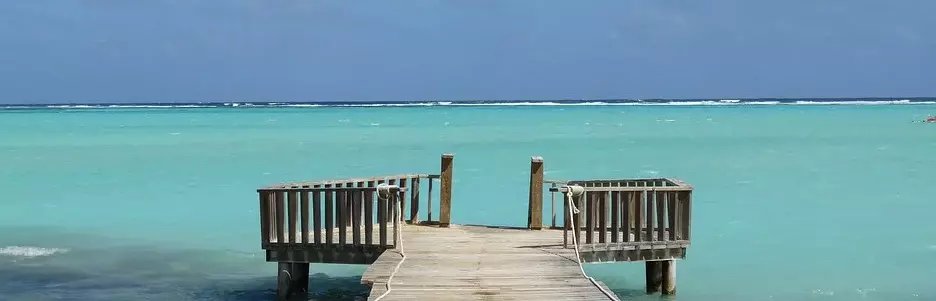
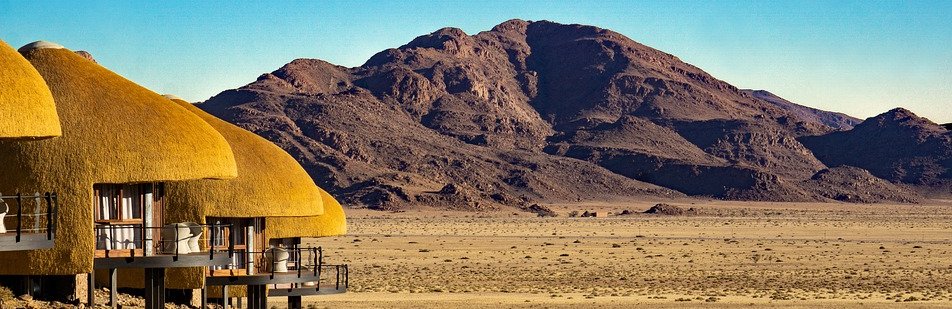
  • Small but beautiful with beautiful beaches, water sports, a "diverse paradise," hiking, cave exploration and relaxation. 
  • Bonaire has a number of special features that make it truly unique! Bonaire also has a large population of wild donkeys that give the island an extra charming vibe and another fun fact: they never have to wait for the traffic lights, because there are none on Bonaire! It is really a place to go for relaxation and a touch of Caribbean charm.
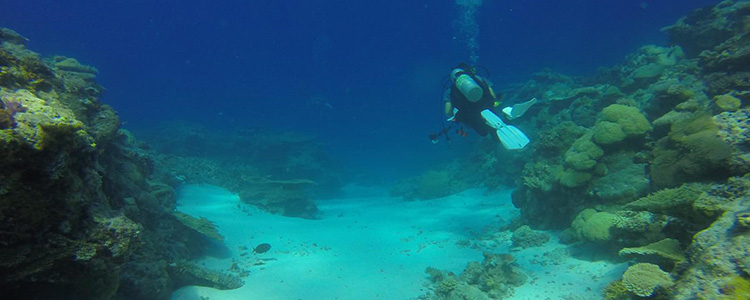
  • Ideally rent a car and bring your own dive tanks and the chance to explore the entire reef of Bonaire in a quiet way. Bonaire is also known as the diving capital of the world with more than 80 beautiful dive sites and a reef that has been protected since 1979 - a dream place for divers and snorkelers.
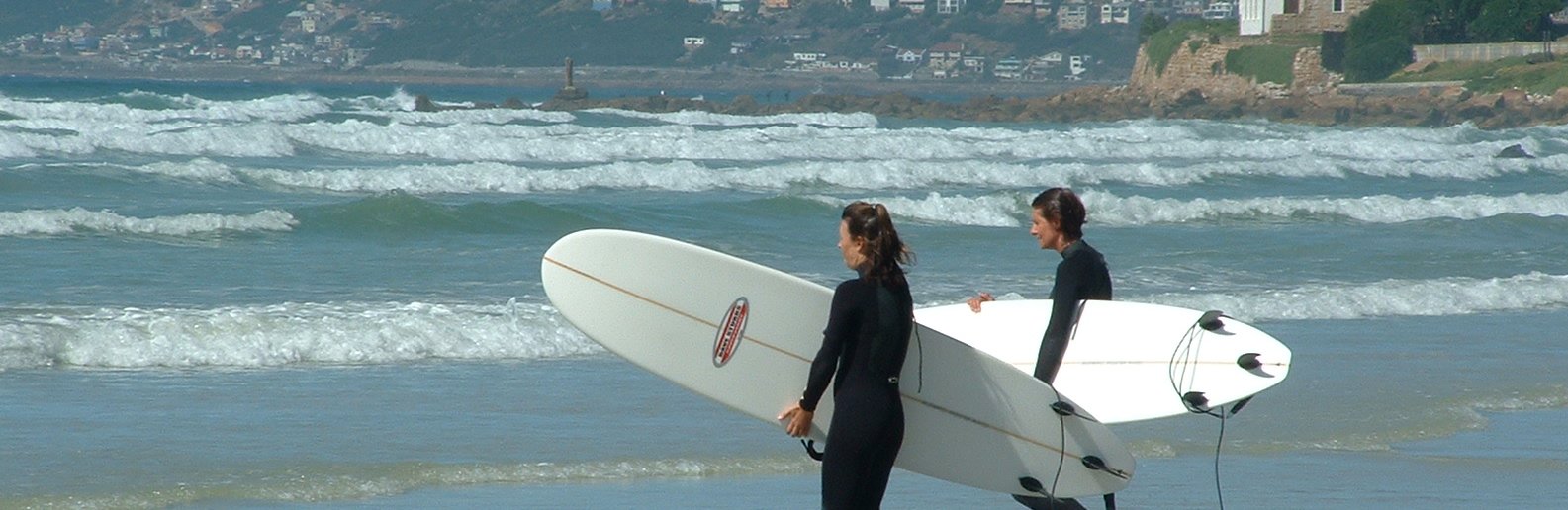
  • Spotting activities: well, diving and snorkeling!; windsurfing or kayaking through the mangroves at Lac Bay; spot flamingos at Washington Slagbaai National Park; visit the Donkey Sanctuary; kiteboard at Atlandtis Beach; learn about the history of the island at the slave houses in Rincon; visit the surreal pink lakes (salt pans and brine lake); explore the island by mountain bike; go on a food tour; admire the breathtaking starry sky on a clear night.
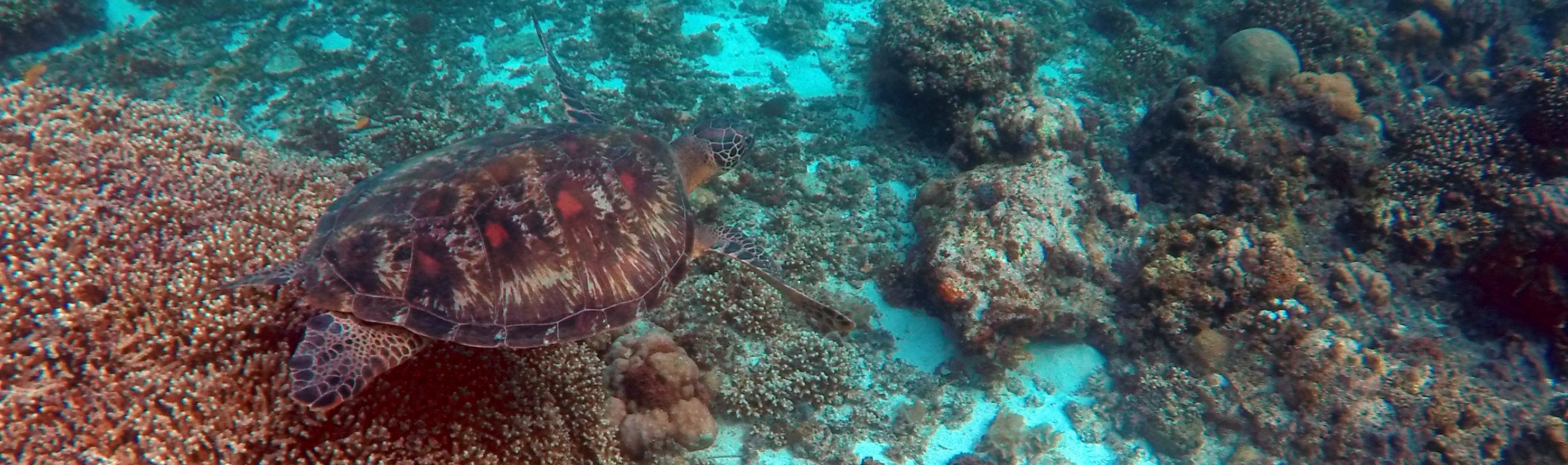
  • Spot animals: donkeys, flamingos, green sea turtles, goats, parrots, reef fish, red-tailed hawk, iguanas.
  • Spot food: pastechi, krioyo stew, conch salad, funchi, guiambo, bacalhau, Johnny Cake, kesio, rum punch.

Studying in Bonaire?

  • There are no universities or extensive colleges on Bonaire, but there are institutes where you can do courses related to the unique ecosystem of the island. There is a limited range of HBO and MBO studies.
  • Study cities: Kralendijk.
  • Language: English or Dutch.

Internship in Bonaire?

  • It is not easy to find an internship, but they do exist, for example, at research institutes or international organizations, in the field of marine ecology or the terrestrial ecosystem.
  • Competencies: knowledge of tropical ecology, hospitality in an international setting, problem-solving thinking with limited resources, intercultural communication.

Volunteering in Bonaire?

  • Mainly focused on animals and nature conservation. Think of turtle protection, donkey care, coral protection and education.

Working in Bonaire?

  • On Bonaire you will mainly find jobs in the tourism and hospitality sector. Think of working in resorts or as a diving instructor or guide, but also jobs in the field of nature management and in education.

Working as a digital nomad in Bonaire?

  • It is not a very popular destination for digital nomads, but that does not make it less suitable! The island offers a beautiful environment with several nice cafes with stable wifi, digital nomad coliving accommodations, and you can take a dip in the waves at any time.

Living in Bonaire?

  • Cozy living in a small community, on an always sunny island. Cosy living in a small community, on an island that is always sunny.
  • On Bonaire you will find a relaxed mix of Caribbean and Dutch. People love dancing, music, good food and the weather is almost always nice! In addition, it is also a sustainable island, so very suitable for those who find that important.
  • Education: there is good education available for expats with children. For universities you will have to go somewhere else.
  • Safety: it is one of the safest islands in the Caribbean.
  • Culture: a relaxed mix of Caribbean and Dutch, with a love for music, dance and good food.
  • Please note: living is expensive, life can become a bit monotonous and there are limited job opportunities.
  • Health insurance: health care is good, but for more complex matters you may be referred to Curaçao or the Netherlands. So make sure you have your own good health insurance.
Bonaire Country Bundle: suggestions, stories and tips
Bonaire Country Bundle: suggestions, stories and tips

Image

Content about Bonaire on WorldSupporter

Packing list for Bonaire, travel insurance for Bonaire, and taking your belongings

Packing list for Bonaire, travel insurance for Bonaire, and taking your belongings

What to bring to Bonaire: highlighted

Highlighted items:

  • Documents: a passport that is valid for at least 6 months and of course an online/offline copy.
  • Money: the US dollar is the official currency. Some change can be handy for small purchases and tips, but there are also many ATMs available and credit cards are accepted almost everywhere.
  • Care: a coral-friendly sunscreen with a high protection factor.
  • Outdoor and conveniences: sunglasses and a cap or hat are important for protection against the bright sun.
  • Clothing: cotton/linen clothing that is nice and airy and a good sweater for the air-conditioned rooms.
  • Shoes: flip-flops for your walk to the beach and sturdy shoes for nice walks.
  • Medicines and travel pharmacy: a first aid kit with at least plasters, painkillers and ORS.
  • Technique and equipment: you can try whatever you want with your Dutch plug, but a type A/B travel plug will come in handy.

What else can you take with you:

  • A reusable water bottle so that you can always have water with you!
  • A waterproof bag for your phone if you want to take it into the water.
  • Snorkeling gear.
  • A light shawl so that you can walk down the beach in a nicely knotted dress.
  • An international driver's license.

What knowledge is useful when you go to Bonaire?

  • A bit of Papiamentu is of course always nice to bring with you.
  • Knowledge about what you can take into and out of the country.

Are there mosquitoes in Bonaire?

  • Especially after the rain, there are many mosquitoes active on Bonaire.
  • The mosquitoes can transmit diseases, so it is important to protect yourself well.

Are there sand flies in Bonaire?

  • There are hardly any sand flies on Bonaire.

Can you buy DEET, or other anti-mosquito products, in Bonaire?

  • Yes, DEET products and good alternatives such as picaridin and cactus juice are available in supermarkets and pharmacies.

Where can you get your food and drinks in Bonaire?

  • Supermarkets: such as Van den Tweel, Warehouse Bonaire and Zhung Kong. Large selection, including imported products.
  • Restaurants: from fine dining by the sea to local eateries with dishes such as pastechi and stoba.
  • Street food: limited, but there are food trucks and stalls at markets and events.

Can you buy a joint or weed in Bonaire, or take it to Bonaire?

  • No, cannabis is illegal. Bringing weed, even small amounts or edibles, is also punishable. CBD products with less than 0.2% THC are legally available.
  • Other drugs are also illegal.
  • Vaping is allowed, but not everywhere.
How does healthcare work in Bonaire, and what travel insurance, health insurance or expat insurance do you need?

How does healthcare work in Bonaire, and what travel insurance, health insurance or expat insurance do you need?

How is the health insurance system arranged on Bonaire?

What is the quality of healthcare on Bonaire?

  • The healthcare institution on Bonaire is the Fundashon Mariadal Hospital, where care is provided in a Caribbean-Dutch environment at a European-Dutch level.
  • Most care in the field of emergency care, maternity care, short- and long-term care, diagnostics and medicine supply is arranged on Bonaire.
  • There is an ongoing collaboration with Dutch hospitals for knowledge transfer and training. Mostly young specialists from abroad often work on Bonaire for 3 to 6 months.
  • Due to the rapid population growth, there is a lot of development within healthcare on Bonaire, which means that more and more specialist medical care can be provided.
  • Due to the increasing quality of care on Bonaire, the number of patients who have to be treated in another country is decreasing. Serious and complicated patient cases are, however, sent to Curaçao, this island is a 10-minute flight away. Evacuation to other countries also occurs.
  • Bonaire has a recompression chamber with relevant specialists in this field, so that divers can be treated immediately, in case of decompression.
  • The Health Insurance Office (ZVK) is the government body responsible for arranging and financing healthcare in Bonaire via the BES health insurance. 

How is public healthcare organised in Bonaire?

  • Everyone who legally resides in Bonaire and registers is obliged to be insured via the Health Insurance Office (ZVK). This also applies to expats.
  • If you do not register officially, you must arrange international health insurance yourself.
  • Healthcare costs are largely covered by the ZVK. A personal contribution may be required for some medicines and treatments.
  • Public healthcare is well organised, but capacity is limited due to the small scale of the island.

How is private healthcare arranged on Bonaire?

  • There are only a limited number of private clinics on Bonaire and the quality of care is good.
  • Medical evacuation can be necessary in case of emergencies or complicated health issues. 
  • Private healthcare is mainly chosen by temporary expats or tourists who do not have access to public healthcare via the ZVK or by residents who want additional coverage.

How is the general practitioner arranged on Bonaire?

  • Bonaire has a number of general practitioner practices, and the general practitioner acts as the first point of contact for medical complaints.
  • General practitioners usually work by appointment, but in urgent cases you can often be seen the same day.
  • A referral from the general practitioner is required for specialist care or hospital care.
  • General practitioners often speak Dutch, English and Papiamento, so language barriers are usually not a problem.

How is the dentist arranged on Bonaire?

  • There are several dentists on Bonaire who provide high-quality care.
  • Treatments are partly reimbursed by the ZVK, but some costs, such as orthodontics, require additional insurance or personal payment.
  • Dental practices are mostly by appointment, and waiting times are usually short.

How is maternity care arranged on Bonaire?

  • Pregnant women receive good care through the Fundashon Mariadal hospital and local midwives.
  • Prenatal check-ups, ultrasounds and deliveries are largely covered by the ZVK.
  • In case of complications or a high-risk pregnancy, a referral to Curaçao or another countries may be necessary.
  • Breastfeeding in public is generally accepted. There is a growing awareness of breastfeeding and its benefits, with support from local healthcare providers.

How safe or unsafe is a trip or stay on Bonaire?

What should you pay attention to in terms of safety on Bonaire?

  • Bonaire is generally a safe island, with little serious crime. Petty crime, such as theft, does occur, but violent crime is rare.
  • Keep a close eye on your belongings, especially in tourist areas.
  • Make sure you lock your home properly, especially if you live in a remote area.
  • Avoid isolated beaches or other isolated places after dark.
  • Bonaire is politically stable and has no significant safety risks for expats.

What should you look out for in terms of diseases on Bonaire?

  • Bonaire has no major health risks, but be aware of mosquitoes that can transmit diseases such as dengue and zika. Protect yourself from mosquito bites, especially during the rainy season.
  • Make sure you enquire about the latest vaccination advice for Bonaire.
  • The tap water on Bonaire is safe to drink and of excellent quality. It is desalinated and is comparable to drinking water quality in Western countries.

What should you look out for in terms of traffic on Bonaire?

  • The roads on Bonaire are generally well maintained, but some rural roads are unpaved.

  • The island is small, and distances are short. You can drive from one side to the other in 30-40 minutes.
  • Traffic drives on the right.
  • There is no extensive public transportation system. Expats and residents usually travel by car or scooter.
  • Driving after sunset is safe, but be careful on poorly lit roads or in nature reserves, where wild animals (such as donkeys) can cross the road.

Which work and travel insurances are suitable for short and long stays on Bonaire?

  • Is the trip to Bonaire and your return sufficiently covered? Are you sufficiently covered before, during and after your activities? It is obliged to have a valid health or travel insurance for medical expenses. The minimum coverage is US$15,000. Your insurance needs to cover hospital treatment, emergency treatment and repatriation (including in case of death). Which insurance best suits your trip and your activity? Read more about insurances for abroad on JoHoinsurances.org.

Which emigration and expat insurance can you take out for Bonaire if you are going to live there for a while?

  • If you register on Bonaire, you must register with the ZVK. If you are not registered, you must arrange your own insurance. Even if you are affiliated with the ZVK, it is wise to take out international private health insurance. This way you can cover uncovered costs such as medical repatriation or evacuation.
  • Make sure your insurance covers medical evacuation as well as coverage in neighboring countries. Read more about insurances for abroad on Expatinsurances.org.
Bonaire: Updates & Travel

Bonaire: Updates & Travel

Travel in Bonaire?

  • Bonaire is a beautiful island to visit. A great island hopping destination from Aruba or Curacao. The island is in the top 5 best locations in the world for many snorkeling and diving enthusiasts. In addition to diving locations, Bonaire also has beautiful beaches. There is also a large nature park, many animals and plant species and you can learn about the history of the island through the historical buildings.
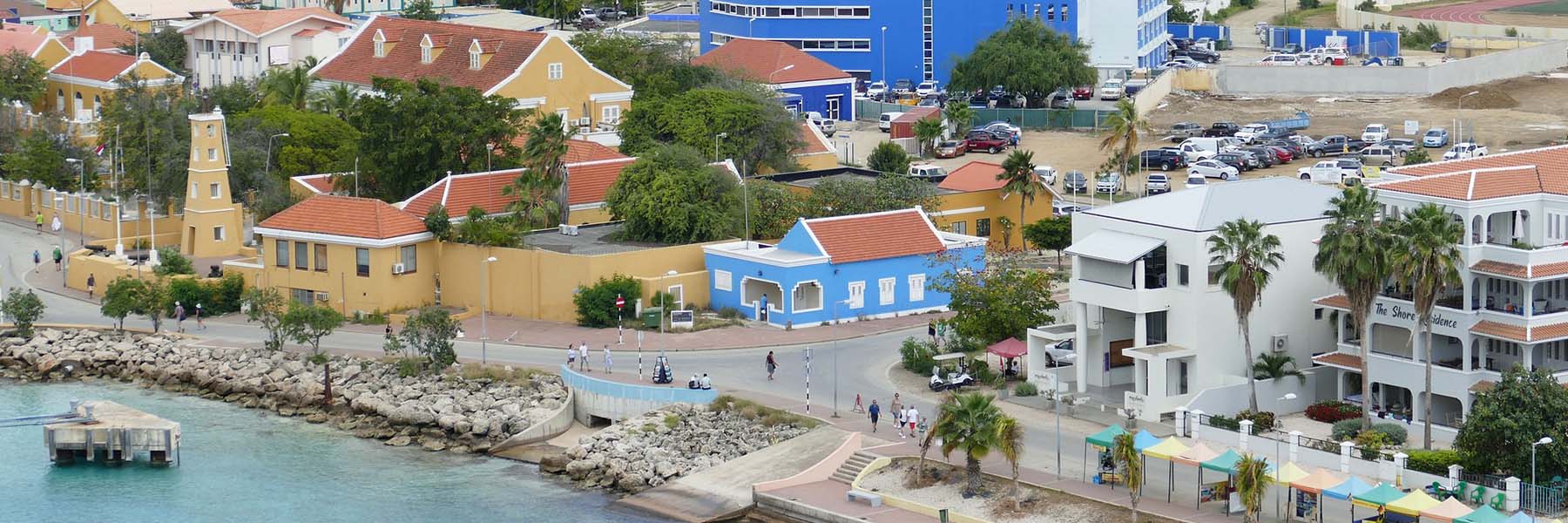
  • Kralendijk - This is the colorful, cozy and historic capital of Bonaire.
  • Washington Slagbaai National Park (WSNP) - This large nature park in the north of Bonaire is full of cacti, aloe plants, limestone caves, salt lakes and blowholes.
  • Beaches - For the ideal beach holiday, Bonaire is the place to be. Do everything your heart desires on a beach holiday: sunbathing, swimming, snorkeling and diving. Not all beaches are suitable for swimming due to high waves, strong currents and pebbles, but this is certainly possible on the popular beach Playa Fuchi, the Playa Frans where there are many fish and fishing boats. And also the small quiet beach Boka Slagbaai with its centuries-old historical buildings.
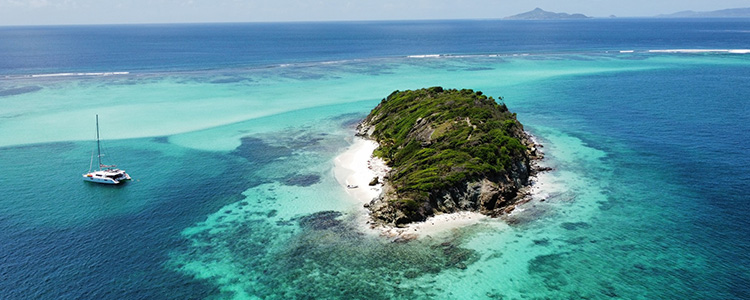
  • Klein Bonaire - This small island of 6 km2 close to the coast of Kralendijk on Bonaire is known for its beautiful white beaches that are also a quiet place for turtle nests.
  • Saliñas - There are a number of salt lakes that are worth visiting.
  • Watch out for high waves, strong currents and stinging water animals or poisonous coral.

Updates Bonaire

  • More about Bonaire, updates and contributions, see the link below.


Image

Why get specific insurance when going abroad: per activity abroad
Why should you take out specialized travel insurance for a long trip abroad?

Why should you take out specialized travel insurance for a long trip abroad?

What is round the world travel insurance or long-term travel insurance?

  • Round the world travel insurance means that you take out insurance that continues to provide coverage during all your activities abroad, and which is specifically intended for those who travel for long periods of time, such as world travelers, globetrotters, and nomads.

Why should you take out specialized travel insurance for a long trip abroad?

  • Round the world travel insurance provides coverage for a much longer trip than regular travel insurance.
  • World travel insurance is specifically intended for longer trips, whereas regular travel insurance may offer coverage on paper, but in practice handles it differently.
  • World travel insurance is suitable for many types of activities, ranging from high-altitude trekking to more risky sports.
  • World travel insurance continues to provide coverage if you start working during your trip, whether planned or unplanned. If you did not take out insurance before departure that allows you to work, there is no guarantee that you will be able to take out insurance that provides coverage while abroad.
  • Long-term travel insurance continues to provide coverage when your home country's health insurance no longer does.
  • Worldwide travel insurance also covers your medical expenses up to the actual cost, and not just for the standard costs. The costs per medical treatment vary greatly between countries.
  • Worldwide travel insurance can also continue to provide coverage if negative travel advice is issued.

What is important to insure when you are going to travel around the world?

  • That you have insurance that is valid in the countries where you are going to travel and posibly work.
  • That you are adequately insured for the sports and activities you are going to participate in during your full period abroad
  • That you are insured for emergency assistance and early return if something happens to you or your immediate family.
  • That your medical expenses are insured up to the actual cost and not just for the standard costs. The costs per medical treatment vary greatly between countries.
  • That you insure your luggage and take sufficient precautions against theft or damage.
  • That you are well insured against personal liability.
  • That you are well insured in case of accidents.
  • That you only insure yourself for legal assistance if there is an immediate reason to do so, unless coverage is already automatically included in the insurance.
  • That you pay close attention to choosing the right coverage when performing work or voluntary work during your world trip.

Check out more about

Why should you take out specific insurance when you go on a trip or vacation?

Why should you take out specific insurance when you go on a trip or vacation?

What is insurance for traveling abroad?

  • Travel insurance is insurance that provides coverage for risks during a trip or vacation abroad. This mainly concerns loss of or damage to your luggage, medical assistance, or repatriation costs if you need to be transported back home urgently. In some cases, travel insurance coverage also applies on domestic trips.
  • With annual travel insurance or multi-trip travel insurance, you are insured for all your trips throughout the year.
  • With temporary travel insurance or single-trip travel insurance, you take out insurance for each trip for the duration of the trip.
  • Cancellation insurance reimburses (all or part of) the travel sum, cancellation or accommodation costs if you have to cancel or interrupt your vacation.

Why should you take out travel insurance for a short trip, vacation, or long-distance trip?

  • Travel insurance can provide coverage in the event of an accident or emergency while you are abroad.
  • Travel insurance can provide coverage for damage and accidents during the adventurous or sporting activities you plan to do.
  • Travel insurance can continue to provide coverage if your health insurance no longer provides coverage, or if the damage is only reimbursed at cost price of your home country.
  • Travel insurance can provide coverage in the event of damage, loss, or theft of your luggage.
  • Travel insurance can provide coverage if you are held liable for damage you cause to other people or their property.
  • Travel insurance can provide coverage if you have to return home early because something has happened to you or your immediate family.

What is important to insure when you are going to travel abroad?

  • That you have insurance that is valid in the country or countries that you are going to visit.
  • That you are adequately insured for the sports and activities you are going to participate in during your period abroad.
  • That you are insured for emergency assistance and early return if something happens to you or your immediate family.
  • That your medical expenses are insured up to the actual cost and not just for the standard costs. The costs per medical treatment vary greatly between countries.
  • That you insure your luggage and take sufficient precautions against theft or damage.
  • That you are well insured against personal liability.
  • That you are well insured in case of accidents.
  • That you only insure yourself for legal assistance if there is an immediate reason to do so, unless coverage is already automatically included in the insurance.
  • That you pay close attention to choosing the right coverage when performing work alongside your travels.

Check out more about international insurances

Why should you take out specialized travel insurance for working abroad?

Why should you take out specialized travel insurance for working abroad?

Why should you take out specialized travel insurance for paid work, voluntary work or an internship abroad?

  • There may be several reasons why you need separate insurance when working abroad.
  • During work, internships, or volunteer work abroad where you receive financial compensation (or, for example, food or housing), your national health insurance coverage may expire. You will then need special insurance to remain insured for illness and accidents.
  • During specific work abroad, additional requirements may apply if your work involves additional risks. Only specific insurance policies offer coverage during this type of work.
  • During your work, the risk of accidents is sometimes greater, for example because you are doing work with which you have little experience or because of the nature of the work.
  • During your work, local employers generally offer no or limited insurance that provides insufficient coverage.

What is important to insure when you are going to work abroad?

  • That you have insurance that is valid in the country or countries where you are going to travel and work.
  • That you are adequately insured for the sports and activities you are going to participate in during your period abroad
  • That you are insured for emergency assistance and early return if something happens to you or your immediate family.
  • That your medical expenses are insured up to the actual cost and not just for the standard costs. The costs per medical treatment vary greatly between countries.
  • That you insure your luggage and take sufficient precautions against theft or damage.
  • That you are well insured against personal liability.
  • That you are well insured in case of accidents.
  • That you only insure yourself for legal assistance if there is an immediate reason to do so, unless coverage is already automatically included in the insurance.
  • That you pay close attention to choosing the right coverage when performing work.

Check out more about international insurances

Why should you take out specialized travel insurance for volunteering abroad?

Why should you take out specialized travel insurance for volunteering abroad?

What is insurance for volunteering abroad?

  • Insuring volunteer work abroad means taking out insurance that continues to provide coverage while you are working as a volunteer abroad

Why should you take out specialized travel insurance for voluntary work abroad?

  • There may be several reasons why you need separate insurance when volunteering abroad.
  • During specific activities abroad, additional requirements may apply if your work involves extra risks. Only specific insurance policies offer coverage during these activities.
  • The risk of accidents is sometimes higher during your work, for example because you are doing work you have little experience with or because of the nature of the work.
  • Local projects or employers generally offer no or limited insurance that provides insufficient coverage during your work.
  • When volunteering abroad and receiving minor financial compensation (or, for example, food or housing), your home country's health insurance coverage will potentially lapse. You will then need special insurance to remain insured for illness and accidents.
  • Regular travel insurance policies generally provide coverage for trips of a limited number of days. If your trip or stay abroad exceeds the maximum number of days, this generally means that for the entire travel period, you will not be covered.
  • Regular travel insurance policies generally only provide coverage for recreational travel without voluntary work activities. If you engage in activities other than recreational activities (such as volunteer work), this generally means that for the entire travel period, you will not be covered.

What is important to insure when you are going to work as a volunteer abroad?

  • That you have insurance that is valid in the country or countries where you are going to travel and volunteer.
  • That you are adequately insured for the sports and activities you are going to participate in during your period abroad
  • That you are insured for emergency assistance and early return if something happens to you or your immediate family.
  • That your medical expenses are insured up to the actual cost and not just for the standard costs. The costs per medical treatment vary greatly between countries.
  • That you insure your luggage and take sufficient precautions against theft or damage.
  • That you are well insured against personal liability.
  • That you are well insured in case of accidents.
  • That you only insure yourself for legal assistance if there is an immediate reason to do so, unless coverage is already automatically included in the insurance.
  • That when performing work in healthcare, with wild animals, and with dangerous (agricultural) machinery, you take care to choose the right coverage.

Check out more about international insurances

Why should you take out specialized travel insurance for an internship abroad?

Why should you take out specialized travel insurance for an internship abroad?

What is insurance for an internship abroad?

  • Insuring an internship abroad means taking out insurance that continues to provide coverage during your internship abroad
  • Insurance for internships abroad are also referred to as internship insurance. This internship insurance is specifically for when you go abroad for a long period of time to work as an intern, take courses, or conduct research abroad.

Why should you take out specialized travel insurance for an internship abroad?

  • There may be several reasons why you need separate insurance for an internship abroad.
  • During internship activities abroad, additional requirements may apply as soon as you start performing work that involves additional risks. Only specific insurance policies offer coverage during these activities.
  • During your internship, the risk of accidents is sometimes greater, for example because you are doing work with which you have little experience or because of the nature of the work.
  • During your internship, local employers generally do not offer insurance, or offer limited insurance that does not provide sufficient coverage.
  • During an internship abroad where you receive financial compensation (or, for example, food or accommodation), your home country's health insurance coverage will potentially lapse. You will then need special insurance to remain insured for illness and accidents.
  • Regular travel insurance policies generally provide coverage for trips of a limited number of days. If your trip or stay abroad exceeds the maximum number of days, this generally means that for the entire travel period, you will not be covered.
  • Regular travel insurance policies generally only provide coverage for recreational trips without work activities.

What is important to insure when you are going to be an intern abroad?

  • That you have insurance that is valid in the area where you will be traveling and doing your internship.
  • That you are adequately insured for the sports and activities you will be participating in.
  • That you are insured for emergency assistance and early return in case something happens to you or your immediate family.
  • That your medical expenses are insured up to the actual cost (what it actually costs), and not just for the standard costs. The costs per medical treatment vary greatly between countries.
  • That you insure your luggage and take sufficient precautions against theft or damage.
  • That you are well insured against personal liability and, preferably, also for liability during your internship.
  • That you are well insured in case of accidents.
  • That you insure yourself for legal assistance if there is an immediate reason to do so, unless the coverage is already automatically included in the insurance.
  • Make sure you choose the right coverage for internship work in healthcare, with wild animals, or with dangerous machinery!

Check out more about international insurances

Why should you take out specialized travel insurance for studying abroad?

Why should you take out specialized travel insurance for studying abroad?

What is insurance for studying abroad?

  • Insurance for studying abroad means that you take out insurance that continues to provide coverage during your studies, your education, and your related activities abroad.
  • Insurance for studying abroad is also referred to as study insurance. This study insurance is specifically for when you go abroad for a long period of time to take courses, study, or conduct research abroad.

Why should you take out specialized travel insurance for a study abroad?

  • Study insurance is specifically designed for studying abroad, whereas regular travel insurance policies may offer coverage on paper but handle this situation differently in practice.
  • Study insurance offers coverage for longer stays than regular (vacation) travel insurance.
  • Study insurance is also suitable for many types of activities, ranging from various sports to hiking at high altitudes.
  • Study insurance continues to provide coverage if you start working during your trip, whether planned or unplanned. If you have not taken out insurance before departure that allows you to work, there is no guarantee that you will be able to take out insurance abroad that provides coverage.
  • Study insurance continues to provide coverage if your own country's health insurance no longer provides coverage.
  • Student insurance also covers your healthcare costs above the rates in your own country; with regular insurance, you have to pay the extra costs yourself.
  • Student insurance can also continue to provide coverage if (study) visa issuers impose additional requirements on how you insure yourself, for example if you are going to the US and applying for a J-1 visa.
  • Student insurance continues to provide coverage if you are staying abroad for a longer period of time and want to visit your own country in between.

What is important to insure when you are going to study abroad?

  • That you have insurance that is valid in the country or countries where you are going to travel and work.
  • That you are adequately insured for the sports and activities you are going to participate in during your period abroad
  • That you are insured for emergency assistance and early return if something happens to you or your immediate family.
  • That your medical expenses are insured up to the actual cost and not just for the standard costs. The costs per medical treatment vary greatly between countries.
  • That you insure your luggage and take sufficient precautions against theft or damage.
  • That you are well insured against personal liability.
  • That you are well insured in case of accidents.
  • That you only insure yourself for legal assistance if there is an immediate reason to do so, unless coverage is already automatically included in the insurance.
  • That you pay close attention to choosing the right coverage when performing work alongside your studies.

Check out more about international insurances

Why should you take out specialized insurance for moving abroad as an emigrant or an expat?

Why should you take out specialized insurance for moving abroad as an emigrant or an expat?

What is an emigration insurance and what is an expat insurance?

  • Emigration insurance is an insurance that continues to provide coverage if you move abroad permanently or for an indefinite period of time.
  • Emigration insurance is not only intended for emigrants, but for anyone who leaves their home country for an extended period of time and does not intend to return in the foreseeable future.
  • Expat insurance is insurance that continues to provide coverage if you go to work abroad for a local or international employer for an extended period of time.
  • Expat insurance is not only intended for expats, but for anyone who has a more permanent job abroad.

Why should you take out specialized insurance for emigration or working as an expat abroad?

  • Emigration or expat insurance not only provides coverage for acute assistance in the event of illness or accident abroad, such as travel insurance, but can also provide coverage for existing conditions and ailments or non-urgent care.
  • Emigration or expat insurance does not require you to maintain valid health insurance in your home country.
  • Emigration or expat insurance provides coverage for preventive care or costs related to pregnancy and childbirth.
  • Emigration or expat insurance also provides coverage for long-term treatments and chronic conditions without you having to return to your home country.
  • Emigration or expat insurance often has no restrictions on the duration of the insurance, unlike travel insurance.
  • Emigration or expat insurance usually maintains coverage in cases such as negative travel advice or acts of war.
  • Emigration or expat insurance offers various solutions in the areas of disability, home and household insurance, goods transport, and liability.

What is important to insure when you are going to move abroad?

  • That you have insurance that is valid in the country or countries where you are going to live and/or work.
  • That you are adequately insured for the sports and activities you are going to participate in during your period abroad
  • That you are insured for emergency assistance and early return if something happens to you or your immediate family.
  • That your medical expenses are insured up to the actual cost and not just for the standard costs. The costs per medical treatment vary greatly between countries.
  • That you are well insured against personal liability.
  • That you are well insured in case of accidents.
  • That you pay close attention to choosing the right coverage when performing work with additional health risks

Check out more about international insurances

Why should you take out travel insurance and why through the JoHo Foundation?

Why should you take out travel insurance and why through the JoHo Foundation?

Why Insurances through JoHo

  • Specialized: in emigration, work, internships, study and travel abroad.

  • Service: JoHo offers multiple travel insurances by multiple companies. Thanks to JoHo's extensive experience, it can offer support in case of problems with insurers, as well as advice and fast and personal handling.

  • Safe: JoHo is recognized as a trustworthy intermediary for insurances.

  • Social: by purchasing an insurance through JoHo you provide a talented student in The Philippines with health insurance

Why Should You Take Out A Travel Insurance?

  • The chance of getting injured or ill is generally higher than when you would have stayed at home. The medical care you will need can be very expensive, even more so if you are treated in a private clinic.

  • If you have to fly back because of family circumstances, the flights might be more expensive than your original flight because you have to fly on short notice.

  • You might have to deal with the damage, loss or theft of your luggage.

  • In case of emergency it can be difficult to figure out what to do. A good travel insurance will have an assistance team on standby for you 24/7 and will be able to tell you what steps to take.

Why Should You Specifically Take Out A Travel Insurance For A Long Trip Abroad?

  • Often regular travel or health insurances only cover trips for a maximum number of days (for example 60, 90 or 180 days).

  • Depending on your home country, your health insurance might not offer any coverage for treatment abroad.

  • During a long trip you might consider specific activities, like paid work or volunteering. Regular travel insurances often don’t cover these kind of activities. The same goes for adventurous/ hazardous sports like skydiving, scuba-diving and bungee jumping.

More on why to use JoHo

  • JoHo is one of the few organizations where you can directly purchase a comprehensive range of foreign insurances from a variety of insurers. As with our other products and services, we believe that you should be able to choose between the best, the most cost effective and the most specialized insurance.

  • JoHo offers various possibilities from combining insurances to assisting in transferring from one insurer to another.

  • When you purchase an insurance policy through JoHo, you will not pay more than if you had purchased it directly from the insurer. Sometimes (through special collective agreements) you will even pay less.

  • JoHo offers support with problems that may arise with the insurer. Sometimes disagreement with claims, cancellation notice or insurance premiums can occur. In this situation it helps if you have the assistance of an organization who has an established relationship with the insurer.


Read more about JoHo and JoHo Insurances

Image

Safety, insurances and packing list for Bonaire

How does healthcare work in Bonaire, and what travel insurance, health insurance or expat insurance do you need?

How does healthcare work in Bonaire, and what travel insurance, health insurance or expat insurance do you need?

How is the health insurance system arranged on Bonaire?

What is the quality of healthcare on Bonaire?

  • The healthcare institution on Bonaire is the Fundashon Mariadal Hospital, where care is provided in a Caribbean-Dutch environment at a European-Dutch level.
  • Most care in the field of emergency care, maternity care, short- and long-term care, diagnostics and medicine supply is arranged on Bonaire.
  • There is an ongoing collaboration with Dutch hospitals for knowledge transfer and training. Mostly young specialists from abroad often work on Bonaire for 3 to 6 months.
  • Due to the rapid population growth, there is a lot of development within healthcare on Bonaire, which means that more and more specialist medical care can be provided.
  • Due to the increasing quality of care on Bonaire, the number of patients who have to be treated in another country is decreasing. Serious and complicated patient cases are, however, sent to Curaçao, this island is a 10-minute flight away. Evacuation to other countries also occurs.
  • Bonaire has a recompression chamber with relevant specialists in this field, so that divers can be treated immediately, in case of decompression.
  • The Health Insurance Office (ZVK) is the government body responsible for arranging and financing healthcare in Bonaire via the BES health insurance. 

How is public healthcare organised in Bonaire?

  • Everyone who legally resides in Bonaire and registers is obliged to be insured via the Health Insurance Office (ZVK). This also applies to expats.
  • If you do not register officially, you must arrange international health insurance yourself.
  • Healthcare costs are largely covered by the ZVK. A personal contribution may be required for some medicines and treatments.
  • Public healthcare is well organised, but capacity is limited due to the small scale of the island.

How is private healthcare arranged on Bonaire?

  • There are only a limited number of private clinics on Bonaire and the quality of care is good.
  • Medical evacuation can be necessary in case of emergencies or complicated health issues. 
  • Private healthcare is mainly chosen by temporary expats or tourists who do not have access to public healthcare via the ZVK or by residents who want additional coverage.

How is the general practitioner arranged on Bonaire?

  • Bonaire has a number of general practitioner practices, and the general practitioner acts as the first point of contact for medical complaints.
  • General practitioners usually work by appointment, but in urgent cases you can often be seen the same day.
  • A referral from the general practitioner is required for specialist care or hospital care.
  • General practitioners often speak Dutch, English and Papiamento, so language barriers are usually not a problem.

How is the dentist arranged on Bonaire?

  • There are several dentists on Bonaire who provide high-quality care.
  • Treatments are partly reimbursed by the ZVK, but some costs, such as orthodontics, require additional insurance or personal payment.
  • Dental practices are mostly by appointment, and waiting times are usually short.

How is maternity care arranged on Bonaire?

  • Pregnant women receive good care through the Fundashon Mariadal hospital and local midwives.
  • Prenatal check-ups, ultrasounds and deliveries are largely covered by the ZVK.
  • In case of complications or a high-risk pregnancy, a referral to Curaçao or another countries may be necessary.
  • Breastfeeding in public is generally accepted. There is a growing awareness of breastfeeding and its benefits, with support from local healthcare providers.

How safe or unsafe is a trip or stay on Bonaire?

What should you pay attention to in terms of safety on Bonaire?

  • Bonaire is generally a safe island, with little serious crime. Petty crime, such as theft, does occur, but violent crime is rare.
  • Keep a close eye on your belongings, especially in tourist areas.
  • Make sure you lock your home properly, especially if you live in a remote area.
  • Avoid isolated beaches or other isolated places after dark.
  • Bonaire is politically stable and has no significant safety risks for expats.

What should you look out for in terms of diseases on Bonaire?

  • Bonaire has no major health risks, but be aware of mosquitoes that can transmit diseases such as dengue and zika. Protect yourself from mosquito bites, especially during the rainy season.
  • Make sure you enquire about the latest vaccination advice for Bonaire.
  • The tap water on Bonaire is safe to drink and of excellent quality. It is desalinated and is comparable to drinking water quality in Western countries.

What should you look out for in terms of traffic on Bonaire?

  • The roads on Bonaire are generally well maintained, but some rural roads are unpaved.
  • The island is small, and distances are short. You can drive from one side to the other in 30-40 minutes.
  • Traffic drives on the right.
  • There is no extensive public transportation system. Expats and residents usually travel by car or scooter.
  • Driving after sunset is safe, but be careful on poorly lit roads or in nature reserves, where wild animals (such as donkeys) can cross the road.

Which work and travel insurances are suitable for short and long stays on Bonaire?

  • Is the trip to Bonaire and your return sufficiently covered? Are you sufficiently covered before, during and after your activities? It is obliged to have a valid health or travel insurance for medical expenses. The minimum coverage is US$15,000. Your insurance needs to cover hospital treatment, emergency treatment and repatriation (including in case of death). Which insurance best suits your trip and your activity? Read more about insurances for abroad on JoHoinsurances.org.

Which emigration and expat insurance can you take out for Bonaire if you are going to live there for a while?

  • If you register on Bonaire, you must register with the ZVK. If you are not registered, you must arrange your own insurance. Even if you are affiliated with the ZVK, it is wise to take out international private health insurance. This way you can cover uncovered costs such as medical repatriation or evacuation.
  • Make sure your insurance covers medical evacuation as well as coverage in neighboring countries. Read more about insurances for abroad on Expatinsurances.org.
Packing list for Bonaire, travel insurance for Bonaire, and taking your belongings

Packing list for Bonaire, travel insurance for Bonaire, and taking your belongings

What to bring to Bonaire: highlighted

Highlighted items:

  • Documents: a passport that is valid for at least 6 months and of course an online/offline copy.
  • Money: the US dollar is the official currency. Some change can be handy for small purchases and tips, but there are also many ATMs available and credit cards are accepted almost everywhere.
  • Care: a coral-friendly sunscreen with a high protection factor.
  • Outdoor and conveniences: sunglasses and a cap or hat are important for protection against the bright sun.
  • Clothing: cotton/linen clothing that is nice and airy and a good sweater for the air-conditioned rooms.
  • Shoes: flip-flops for your walk to the beach and sturdy shoes for nice walks.
  • Medicines and travel pharmacy: a first aid kit with at least plasters, painkillers and ORS.
  • Technique and equipment: you can try whatever you want with your Dutch plug, but a type A/B travel plug will come in handy.

What else can you take with you:

  • A reusable water bottle so that you can always have water with you!
  • A waterproof bag for your phone if you want to take it into the water.
  • Snorkeling gear.
  • A light shawl so that you can walk down the beach in a nicely knotted dress.
  • An international driver's license.

What knowledge is useful when you go to Bonaire?

  • A bit of Papiamentu is of course always nice to bring with you.
  • Knowledge about what you can take into and out of the country.

Are there mosquitoes in Bonaire?

  • Especially after the rain, there are many mosquitoes active on Bonaire.
  • The mosquitoes can transmit diseases, so it is important to protect yourself well.

Are there sand flies in Bonaire?

  • There are hardly any sand flies on Bonaire.

Can you buy DEET, or other anti-mosquito products, in Bonaire?

  • Yes, DEET products and good alternatives such as picaridin and cactus juice are available in supermarkets and pharmacies.

Where can you get your food and drinks in Bonaire?

  • Supermarkets: such as Van den Tweel, Warehouse Bonaire and Zhung Kong. Large selection, including imported products.
  • Restaurants: from fine dining by the sea to local eateries with dishes such as pastechi and stoba.
  • Street food: limited, but there are food trucks and stalls at markets and events.

Can you buy a joint or weed in Bonaire, or take it to Bonaire?

  • No, cannabis is illegal. Bringing weed, even small amounts or edibles, is also punishable. CBD products with less than 0.2% THC are legally available.
  • Other drugs are also illegal.
  • Vaping is allowed, but not everywhere.

Image ACTIVITIES

Check courses, jobs, projects, recipes, suggestions and tips related to: 'Bonaire'

CHECK MORE ACTIVITIES

Make a selection, to find more tips than you see below

Image TMI Caribbeanfeest 2019
Kom naar dit te gekke feest van TMI en waan je in de Caribische sfeer! Iedereen die via TMI op Aruba, Bonaire, Curaçao of Sint Maarten gewerkt heeft en graag collega’s...
Image Vrijwilligerswerk of stage in het mangrove bos van Bonaire
Deze vrijwilligersorganisatie is gek van mangroves, vandaar de naam Mangrove Maniacs. Zij zetten zich in voor het behoud en herstel van de mangrovebossen van Bonaire...
Image Tijdens je vakantie op Bonaire een dagje aan de slag als vrijwilliger?
Elke 2e zondag van de maand kan je op de stranden van Bonaire helpen met het schoonmaken van de stranden en kustlijn. Combineer je Carribische vakantie met een goede...
Image Word vrijwilliger bij een cultuurhistorisch museum op Bonaire
Je draagt bij aan het behoud van de cultuur en geschiedenis van Bonaire. Je ontwikkelt samen met collega's tours, culturele evenementen en uitwisselingsprojecten. Je...
Image help mee bij het behoud van de mangrovebossen van Bonaire
help mee bij het behoud van de natuurparken van Bonaire. Afhankelijk van je vaardigheden en interesses kan je worden ingezet bij bijvoorbeeld vogelinventarisaties,...
Image Ga aan de slag in de jeugdgezondheidszorg op Bonaire
Ga aan de slag in de jeugdgezondheidszorg op Bonaire. Deze organisatie zoekt regelmatig versterking, bijvoorbeeld als jeugdarts, in het consultatiebureau of bij de...
Image Kom werken als leerkracht Nederlands binnen een wereldwijd netwerk van Nederlandse en internationale scholen
Kom werken als leerkracht Nederlands binnen een wereldwijd netwerk van Nederlandse en internationale scholen Wat hou je er aan over? Improviseren Ervaring met lesgeven...
Image Coach jongeren in hun ontwikkelingsproces bij een activiteitencentrum op Bonaire
Je coacht jongeren bij een stichting die verschillende naschoolse activiteiten aanbiedt waar jongeren zich verder kunnen ontwikkelen. Je ondersteunt jongeren bij...
Image Kom werken op de spoedeisende hulp op Bonaire en verricht verscheidene medische taken
Kom werken op de spoedeisende hulp op Bonaire en verricht verscheidene medische taken
Image Werk als verpleegkundige bij een zorginstelling op Bonaire
Je verpleegt, verzorgt en begeleidt patiënten die bijvoorbeeld spoedeisende zorg nodig hebben of intensieve zorg tijdens de kraamtijd. Je coördineert de zorg rondom...
Activities abroad: home bundle

Main content and contributions for activities abroad

,,,accommodations, adventure activities, courses, internships, jobs and volunteer projects

...to help another, travel with care, work together , learn to share and inspire with your experience


Activities abroad: home page

Activities abroad: home page

From language courses to gap year abroad, from work experience to volunteering abroad, from paid work to internship abroad, from mountaineering to diving and from backpacking to travel around the world

    What social activities can you do abroad?

    • Opportunities are found in the areas of helping, learning or studying. You can get involved to volunteer in a social project at a school in Africa, Asia or Latin America. You can get involved in nature, in a project with animals or cleaning the sea or beaches. Those who want to learn more can choose for example a language course in Latin America, Spain or South Africa.

    What work related activities can you do abroad?

    • If you want to gain work experience, and/or also earn money, go and work abroad. You can combine backpacking in Australia with temporary work. You can work on campsites in Europe or bush camps in Africa. You can pretty much go all over the world to work in the hospitality industry, hotels and hostels, in the healthcare sector or for example at a diving school.

    What sports activities to do abroad?

    • Have you ever thought of mountain biking, rafting (going down a wild river on a raft or rubber dinghy, climbing or canoeing), survival (which involves building rafts, climbing or canoeing), abseiling (descending a rock face while secured to ropes), zip-lining (whizzing down a cable), canyoning (starting at the top of a river and then climbing, swimming, diving down the bed) or caving (scrambling, wriggling and crawling through caves and crevices)?
    • Maybe you feel more comfortable on a bodyboard (on a half-wave surfboard, you surf the high waves lying down-with flippers), on a hang glider or while paragliding (with a parachute you float down a mountain or dune), hydrospeeding (on a bodyboard with flippers and a wetsuit on you go down a wild river via rapids) or Tiefschneeskiing (racing down through powder snow)?

    Check the pages below for more activities and inspiration and where to go and how to arrange it

      Activities abroad: for gap year, sports, travel and outdoor abroad

      Activities abroad: for gap year, sports, travel and outdoor abroad

      Bundled content for gap year, sports, travel and outdoor abroad

      Access: 
      Public

      Image STORIES

      Check blogs, experiences and information related to: 'Bonaire'

      CHECK MORE STORIES

      Make a selection, to find more blogs and contributions than you see below

      Image Packing list for Bonaire, travel insurance for Bonaire, and taking your belongings
      What to bring to Bonaire: highlighted What knowledge is useful when you go to Bonaire? Are there mosquitoes in Bonaire? Are there sand flies in Bonaire? Can you buy DEET...
      Image Bonaire: Updates & Travel
      Travel in Bonaire? Updates Bonaire Back to top Travel in Bonaire? Bonaire is a beautiful island to visit. A great island hopping destination from Aruba or Curacao. The...
      Image How does healthcare work in Bonaire, and what travel insurance, health insurance or expat insurance do you need?
      How is the health insurance system arranged on Bonaire? What is the quality of healthcare on Bonaire? How is public healthcare organised in Bonaire? How is private...
      Image Welk visum regelen voor een reis naar Bonaire?
      Toeristenvisum Wanneer je een Nederlands paspoort hebt, dan heb je geen visum nodig. Je mag maximaal 180 dagen per jaar op Bonaire verblijven. Er zijn wel toegangseisen...
      Countries & Destinations: home bundle

      Bundled content, suggestions, stories and tips about the countries and destinations in the world

      ...to help another, travel with care, work together , learn to share and inspire with your experience

      Africa: country bundles

      Africa: country bundles

      Access: 
      Public
      Asia: country bundles

      Asia: country bundles

      Country bundles of Asian countries

      Access: 
      Public
      Europe: country bundles

      Europe: country bundles

      Country bundles of European countries

      Access: 
      Public
      The Caribbean: country bundles

      Image ORGANIZATIONS

      Check sectors and organizations related to: 'Bonaire'

      CHECK MORE ORGANIZATIONS

      Make a selection, to find more or other organizations than you see below

      Image Betonbouw Caribbean Construction
      Betonbouw Caribbean Construction offers job opportunities on various construction projects in Aruba, Bonaire, Curaçao, and Sint Maarten. Betonbouw cooperates with...
      Image Organizations: for diving, snorkeling and water sports abroad
      Diving schools and Snorkeling tour operators and organizations for water sports abroad
      Image HBN Law and Tax
      HBN Law & Tax is een advocatenkantoor met vestigingen in het gehele Nederlandse Caribisch gebied, Suriname en in Nederland. Ze bieden een breed scala aan diensten...
      Image Stage op Bonaire
      Stage op Bonaire is een bemiddelingsorganisatie voor stages en huisvesting op Bonaire, een eiland dat sterk aan het groeien is. Bonaire wordt moderner en staat open voor...
      Image Bonaire Break
      Bonaire Break is opgericht door een Nederlandse docent en studieloopbaanbegeleider en biedt mogelijkheden aan voor een tussenjaar voor jongeren met een MBO4, HAVO of VWO...
      Image Basisschool De Pelikaan - Bonaire
      Deze Nederlandse basisschool is gevestigd op Bonaire en biedt Nederlandstalig basisonderwijs aan. Op de website van de Pelikaan vind je niet direct vacatures, maar de...
      Image Physical Therapy Abroad
      Physical Therapy Abroad is een organisatie voor en door fysiotherapeuten die vrijwilligerswerk, groepsreizen, stages en afstudeeropdrachten organiseert in Azië, Afrika,...
      Image Donkey Sanctuary Bonaire
      Een ezelopvang in Bonaire die zich inzet voor de opvang en verzorging van zieke/verweesde ezels.
      Image Sentro Akseso Boneiru
      Sentro Akseso Boneiru biedt zorg en sociale hulpverlening op Bonaire. Akseso biedt ondersteuning en begeleiding, zoals opvoedingsondersteuning, budgetbegeleiding,...
      Image Fundashon Mariadal
      Fundashon Mariadal is een gezondheidszorginstelling op Bonaire.
      Organizations & Services: home bundle

      Bundled content, suggestions, stories and tips about organizations and their products and services

      ...to help another, travel with care, work together, learn to share and inspire with your experience

      Organizations: home page
      Organizations: for administrative, tax and legal work and consulting
      Organizations: for agriculture, grape picking, farming and vineyards
      Organizations: for animal protection, animal care and working with wildlife abroad
      Organizations: for au pairs, youth work and child care abroad
      Organizations: for bush camping and working at a campsite abroad
      Organizations: for catering, hospitality and entertainment abroad
      Organizations: for civil society and social work abroad
      Organizations: for corporate business services
      Organizations: for customer services abroad and help desks
      Organizations: for diving, snorkeling and water sports abroad
      Organizations: for education and schools abroad
      Organizations: for expatriate insurances, travel insurances, and emergency call centers
      Organizations: for gap year activities abroad and sabbaticals
      Organizations: for internship placement abroad
      Organizations: for insurances and finance abroad
      Organizations: for IT, engineering and construction
      Organizations: for language travel and language teaching abroad
      Organizations: for marketing, communication and PR
      Organizations: for mediation in au pairs, childcare and elderly care in the Netherlands
      Organizations: for moving, international relocation and transport abroad
      Organizations: for nature conservation, environmental protection and working in nature abroad
      Organizations: for nonprofit projects, development work and international cooperation
      Organizations: for online work as digital nomad, freelancer, or independent entrepreneur from abroad
      Organizations: for outdoor activities and sports
      Organizations: for providing accommodation and hospitality work in hotels, guesthouses, ecolodges and hostels abroad
      Organizations: for providing healthcare and working in medical care abroad
      Organizations: for psychological assistance and mental health care abroad
      Organizations: for real estate, brokerage abroad and property rental abroad
      Organizations: for research and scientific work abroad
      Organizations: for student support and student associations
      Organizations: for tour guidance and adventure tours abroad
      Organizations: for tourism and organized travel and leisure work abroad
      Organizations: for voluntary work mediation and project placement abroad
      Organizations: for yacht and shipping crew and working on a cruise ship abroad

      Image SUMMARIES

      Check summaries and study assistance related to: 'Bonaire'

      CHECK MORE SUMMARIES

      No results found.

      Image

      SPOTLIGHT & FAVORITES

      SPOTLIGHT
      Image

      Toeristenvisum Wanneer je een Nederlands paspoort hebt, dan heb je geen visum nodig. Je mag maximaal 180 dagen per jaar op Bonaire verblijven. Er zijn wel toegangseisen. Als je naar de Caribische Koninkrijksdelen reist, zijn er voorwaarden: 

      • Je paspoort is niet ouder dan 10 jaar e...

      FAVORITES
      Bonaire vrijwilligerswerk op het strand

      Elke 2e zondag van de maand kan je op de stranden van Bonaire helpen met het schoonmaken van de stranden en kustlijn. Combineer je Carribische vakantie met een goede daad. De organisatie achter deze acties is Clean Coast Bonaire. Zij gebruiken de opruimacties om inzicht te krijgen in het afval dat a...

      Image ALL CONTENT

      Search all related content within the topic: 'Bonaire'

      ALL CONTENT WITHIN TOPIC

      Select any filter and click on Apply to see results

      Image

      TOPICS : check associated topics and more activities

      Check more: activities in WorldSupporter
      Go abroad!
      Page topic

      Stories, tips and experiences from Bonaire

      Submenu & Search

      Search only via club, country, goal, study, topic or sector